


I. Introduction
Hey there, Australian small business owners, importers, and e-commerce sellers! As someone with years of hands-on experience in China - Australia cross - border logistics, I've seen firsthand how export control regulations can make or break a shipment. In 2026, there have been some significant changes in China's export control policies that directly impact our cross - border trade. I remember a client back in 2024 who almost lost a big deal because they weren't aware of a minor change in the export regulations at that time. So, it's crucial to stay informed.
II. Key Changes in 2026 China Export Control Policies
1. New Product Categories under Control
In 2026, China has expanded the list of products under export control. Some high - tech items, such as certain advanced semiconductor components and precision medical equipment, are now subject to stricter regulations. For example, if you're an importer dealing with 3C electronics sellers, you'll need to pay extra attention. These new regulations aim to protect China's national security and technological advantages.
2. Stricter Documentation Requirements
The documentation process has become more rigorous. Exporters now have to provide detailed product descriptions, including the exact composition, functions, and intended uses of the goods. This is to ensure that the products are not being misused or exported for illegal purposes. For instance, if you're shipping home goods that contain any rare earth materials, you'll need to document the source and quantity of these materials accurately.
3. Enhanced Licensing Procedures
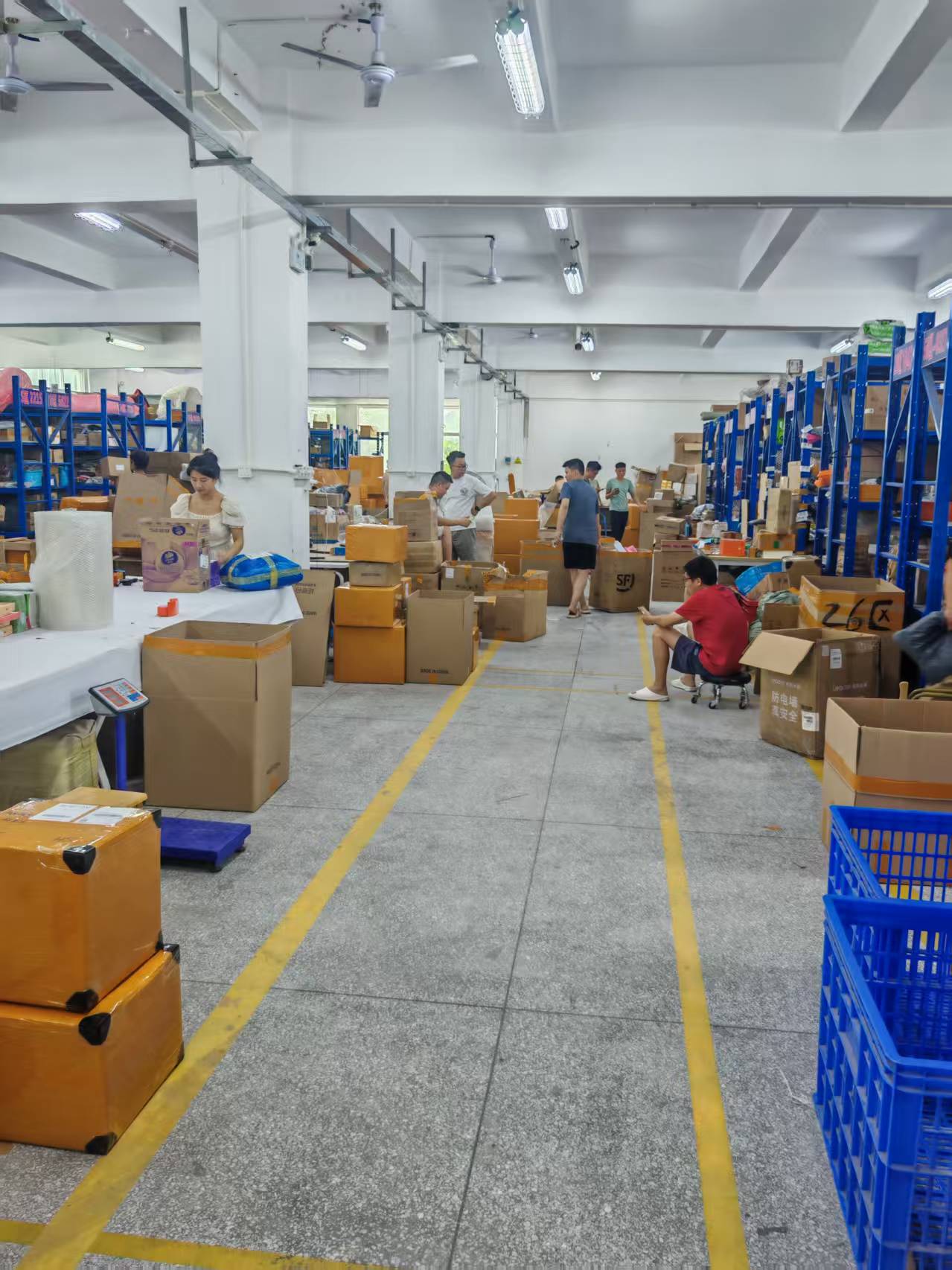
Obtaining export licenses has become more complex. The Chinese government has set up a more detailed review process to assess the potential risks associated with the export of certain goods. This means longer waiting times for license approval. I've had clients who were expecting their shipments to arrive in Sydney within a certain time frame but had to delay due to the extended licensing procedures.
III. How These Changes Impact Australian Exporters
1. Cost Increases
The stricter regulations often lead to higher costs. Exporters may need to hire specialized consultants to help with the documentation and licensing processes. Additionally, longer waiting times for licenses can result in storage fees and potential loss of business opportunities. For home goods sellers importing from China, these additional costs can eat into their profit margins significantly.
2. Delays in Shipment
As mentioned earlier, the enhanced licensing procedures can cause significant delays. A delay of even a few days can disrupt the supply chain, especially for e - commerce sellers who rely on timely deliveries to meet customer demands. I had a client, an apparel importer in Melbourne, who lost a large number of customers because their new season's stock was delayed due to export control issues.
3. Compliance Risks
Non - compliance with the new regulations can result in severe penalties, including fines and even suspension of export privileges. Exporters need to be extremely careful to ensure that all their shipments meet the new requirements. This means investing time in training staff and staying updated on the latest policy changes.
IV. Strategies for Australian Exporters to Navigate These Changes
1. Stay Informed
Regularly check official Chinese government websites, such as the Ministry of Commerce, for the latest export control regulations. You can also subscribe to industry newsletters and attend relevant seminars to stay ahead of the game.
2. Build a Strong Relationship with Suppliers
Work closely with your Chinese suppliers. They are often more familiar with the local regulations and can provide valuable insights. Encourage them to be proactive in obtaining the necessary licenses and documentation.
3. Consider Using a Professional Logistics Provider
A professional logistics provider like [奥飞国际物流] can be a great asset. With 12 years of experience in the China - Australia cross - border logistics industry, they have a deep understanding of the export control regulations. They can handle the complex documentation and licensing processes on your behalf, saving you time and reducing the risk of non - compliance. For example, they can ensure that all the necessary HS codes are correctly applied, and the goods are properly classified for export.
V. Case Study: A 3C Electronics Seller in Brisbane
A 3C electronics seller in Brisbane was importing a new batch of smartphones from China. They were initially unaware of the new export control regulations for certain components in the smartphones. As a result, their shipment was held up at the Port of Melbourne for over two weeks. The delay caused them to miss the peak sales season, resulting in a significant loss of revenue.
After this incident, they decided to partner with [奥飞国际物流]. The logistics provider helped them understand the new regulations and ensured that all the necessary documentation was in order for their next shipment. This time, the shipment arrived on time, and they were able to meet their customer demands.
VI. FAQ
Q: How long does it usually take to obtain an export license in 2026? A: Well, it varies depending on the product category. For general products, it might take around 10 - 14 days. But for high - tech and sensitive items, it could take up to 30 days or even longer.Q: Can I still import products that are now under export control? A: Yes, you can. But you'll need to go through the proper licensing and documentation procedures. You may also need to prove that the products are for legitimate business use.
Q: What if I make a mistake in the documentation? A: Mistakes in documentation can lead to delays and potential penalties. It's important to double - check all the information before submitting it. If you're unsure, it's best to consult a professional logistics provider like [奥飞国际物流].
Q: How can I ensure that my Chinese suppliers are compliant with the new regulations? A: You can ask your suppliers for their compliance certificates and check their track record. It's also a good idea to communicate with them regularly about the latest regulations and ensure that they are taking the necessary steps.
Q: Will the export control regulations change again in the future? A: It's very likely. Export control regulations are often adjusted based on national security and trade policies. So, it's crucial that you stay informed and be prepared to adapt to any changes.
In the ever - evolving landscape of China - Australia cross - border logistics, being aware of the export control regulations in 2026 is essential for Australian exporters. By following the strategies mentioned above and learning from the case studies, you can minimize the risks and ensure the smooth flow of your business.