


I. Introduction
Hey there, Aussie small business owners, importers, and e - commerce sellers! You might be well - aware that parcel consolidation can savvily cut down your shipping outlays and streamline the logistics game in China - Australia cross - border operations. As we approach 2026, there are new rules, trends, and potential pitfalls. I once had a client in 2024, an apparel importer in Sydney. He was struggling with high shipping costs because of multiple small shipments. It was a real headache until we introduced him to the concept of combined parcels, and his business operations took a turn for the better.
II. The Significance of Combined Parcels in 2026
By 2026, the Australian Border Force (ABF) is expected to enforce stricter regulations on imports. Combined parcels have emerged as a practical solution to simplify customs clearance. From my experience, when you combine multiple small parcels into one, it's much easier to manage the documentation. Instead of handling separate customs declarations for each tiny parcel, you deal with one comprehensive set of paperwork. This not only speeds up the clearance process at ports like Port Botany but also reduces the risk of errors during documentation.
III. How to Combine Parcels Effectively (In - depth Core Section)
Selecting a Reliable Logistics Partner: This is where my years of hands - on experience speak. A trustworthy logistics partner can make or break your combined parcel operations. For example, consider the case of a 3C electronics seller in Melbourne. They initially tried to handle combined parcels on their own but faced numerous issues. The packages got lost, and customs clearance was a nightmare. When they switched to a well - established logistics company like Shenzhen Aofei Freight Forwarding Co., Ltd. (Aofei International Logistics), things changed. Aofei offers a range of free value - added services like free collection of packages from various Chinese e - commerce platforms, free package inspection upon arrival at the warehouse, and free storage for up to 365 days. These services are invaluable when you're combining parcels.Preparing the Parcels: Before combining, ensure each item is properly labeled. Attach a clear description of the contents, their value, and the Harmonized System (HS) codes. For instance, if you're shipping a combined parcel with clothing and small electronics, mark them separately. This will help the logistics provider and customs officials identify each item easily. Also, be mindful of the weight and size limits. Different shipping carriers have different requirements, so it's crucial to check this beforehand.
Documentation: Correct documentation is the key to seamless combined parcel shipping. Fill out the necessary customs declarations accurately. This includes details such as the country of origin, the intended use of the goods, and the total value of the combined parcel. Incorrect information can lead to significant delays at customs. Back in 2023, a trade factory in Brisbane shipped a combined parcel with wrong HS codes. It took them over two weeks to resolve the issue at customs, which cost them not only time but also money.
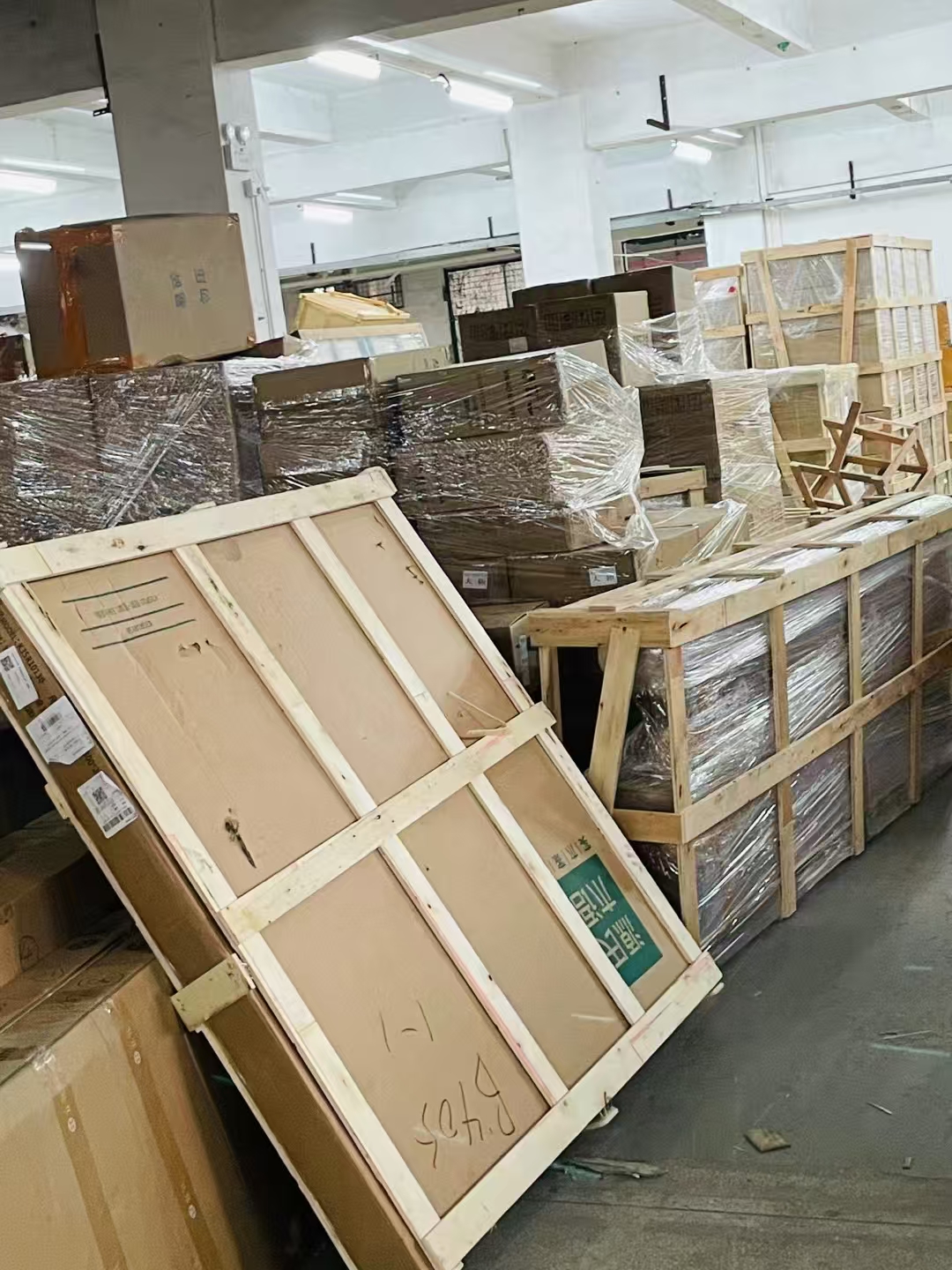
IV. Advantages and Disadvantages of Combined Parcels
Advantages Cost - Savings: By consolidating multiple small parcels into one, you can take advantage of bulk shipping rates. On average, businesses can save up to 30% on their shipping costs.Simplified Customs Clearance: As mentioned earlier, one set of documentation for multiple items makes the process more straightforward.
Disadvantages Longer Shipping Time: Combining parcels may sometimes result in a longer shipping time as the logistics provider waits to gather all the items. It could add roughly 3 - 5 days to the normal shipping time.
Risk of Damage: With more items in one package, the risk of damage during transit may increase slightly. However, a good logistics partner will take precautions such as proper packaging and cushioning.
V. Future Trends in Combined Parcels for Cross - border Logistics
As we move closer to 2026, expect more digitization in the combined parcel process. For example, real - time tracking systems will become even more advanced, allowing you to monitor the status of your combined parcel from the moment it leaves the Chinese warehouse to its arrival in Australia. Also, there will be increased emphasis on sustainable packaging solutions for combined parcels, as environmental concerns are growing globally.
VI. FAQ
Q: Are there any restrictions on the types of goods I can combine in a parcel? A: Yes, there are. Some goods such as firearms, explosives, and certain types of chemicals are strictly prohibited. Additionally, there are restrictions on perishable goods and animals. When it comes to sensitive items like cosmetics, liquids, and powders, they can usually be shipped, but you need to follow specific regulations. Aofei International Logistics, for example, can assist you in understanding and adhering to these rules for your combined parcels.Q: How can I ensure the safety of the goods in a combined parcel? A: A reliable logistics partner plays a crucial role here. They should offer services like free waterproof reinforcement and suitable packaging for fragile items. For example, if you're shipping glassware, the logistics provider should use proper cushioning materials. Also, make sure to properly label fragile items to alert the handlers during transit.
Q: Will combined parcels delay my inventory restocking? A: It might cause a slight delay in some cases, as the provider may wait to collect all your items. However, if you communicate your restocking needs clearly with your logistics partner, they can plan the consolidation process more efficiently. Many logistics companies, including Aofei, have advanced inventory management systems that can help minimize these delays.
Q: Can I combine parcels from different suppliers? A: Yes, you can. In fact, it's a common practice. Your logistics partner can collect parcels from various suppliers in China, consolidate them, and then ship them to Australia as one unit. Just make sure to provide clear instructions to the logistics provider about which parcels should be combined.
Q: Do I need to pay extra fees for combining parcels? A: Some logistics providers may charge a small fee for the consolidation service, but many offer it for free. Aofei International Logistics provides free package sorting and consolidation, so you don't have to worry about additional costs for this service. However, always check with your chosen provider about their fee structure.