


I. Introduction
If you're an Australian small business owner, importer, or e - commerce seller, shipping a 20ft container from China to Australia is a big decision. You're likely concerned about the cost, which can be influenced by many factors. From my experience in the cross - border logistics industry for over a decade, I've seen numerous clients make mistakes when estimating these costs. Let me share some insights and real - life cases to help you understand the cost structure better.
II. Factors Affecting the Cost
Freight Rates Freight rates are the most obvious cost component. They fluctuate due to supply and demand. For example, during peak seasons, like December before Christmas, carriers are often fully booked, and rates can increase by up to 30%. In 2026, with the new shipping regulations and market trends, the base freight rate for a 20ft container from major Chinese ports to Australian ports such as Port Botany in Sydney can range from roughly $1,800 to $2,500. I had a client back in 2024 who shipped a 20ft container of home goods from Shanghai to Sydney. They shipped in February, an off - peak season, and got a relatively low freight rate of about $1,700. But another client who shipped in November had to pay around $2,200 for the same container size and route.Fuel Surcharges Fuel surcharges are directly related to the price of oil. In 2026, with the global push for more sustainable shipping, there are new regulations that affect fuel consumption. Carriers may pass on some of the costs associated with using cleaner fuels or more efficient engines to shippers. On average, fuel surcharges for a 20ft container can add an additional $200 - $300 to the total cost.
Port Charges Port charges include terminal handling fees, wharfage fees, and documentation fees. In Chinese ports like Shanghai or Shenzhen, these fees can amount to around $300 - $400 for a 20ft container. In Australian ports, Port of Melbourne and Port Botany in Sydney have different fee structures. For instance, in Port Botany, the combined port charges can be approximately $450 - $550.
Customs Duties and Taxes Customs duties and taxes are based on the nature and value of the goods. Australian Customs has specific rules about the Harmonized System (HS) codes. For example, if you're importing 3C electronics, the duties can be around 10% - 15% of the CIF (Cost, Insurance, and Freight) value, while home goods may have a lower duty rate of about 5% - 10%. You'll also need to pay the Goods and Services Tax (GST) of 10% on the value of the goods plus freight and insurance.
III. Cost Comparison of Different Shipping Methods
Full Container Load (FCL) When you use FCL, you have the whole 20ft container for your goods. The main advantage is that it's more secure and faster because the container doesn't need to be shared or transshipped. The cost of FCL 20ft container shipping from China to Australia in 2026 ranges from about $2,700 - $3,500, including freight, port charges, and a rough estimate of fuel surcharges. The disadvantage is that it may be more expensive if you don't have enough goods to fill the container.Less than Container Load (LCL) LCL is suitable for smaller shipments. You only pay for the space your goods occupy in the container. However, it has a longer transit time as the container needs to be filled with other shippers' goods. The cost per cubic meter for LCL shipping from China to Australia can be around $100 - $150. But when you calculate the total cost for a shipment that could fit in a 20ft container, it may be comparable to FCL due to additional handling and consolidation fees.
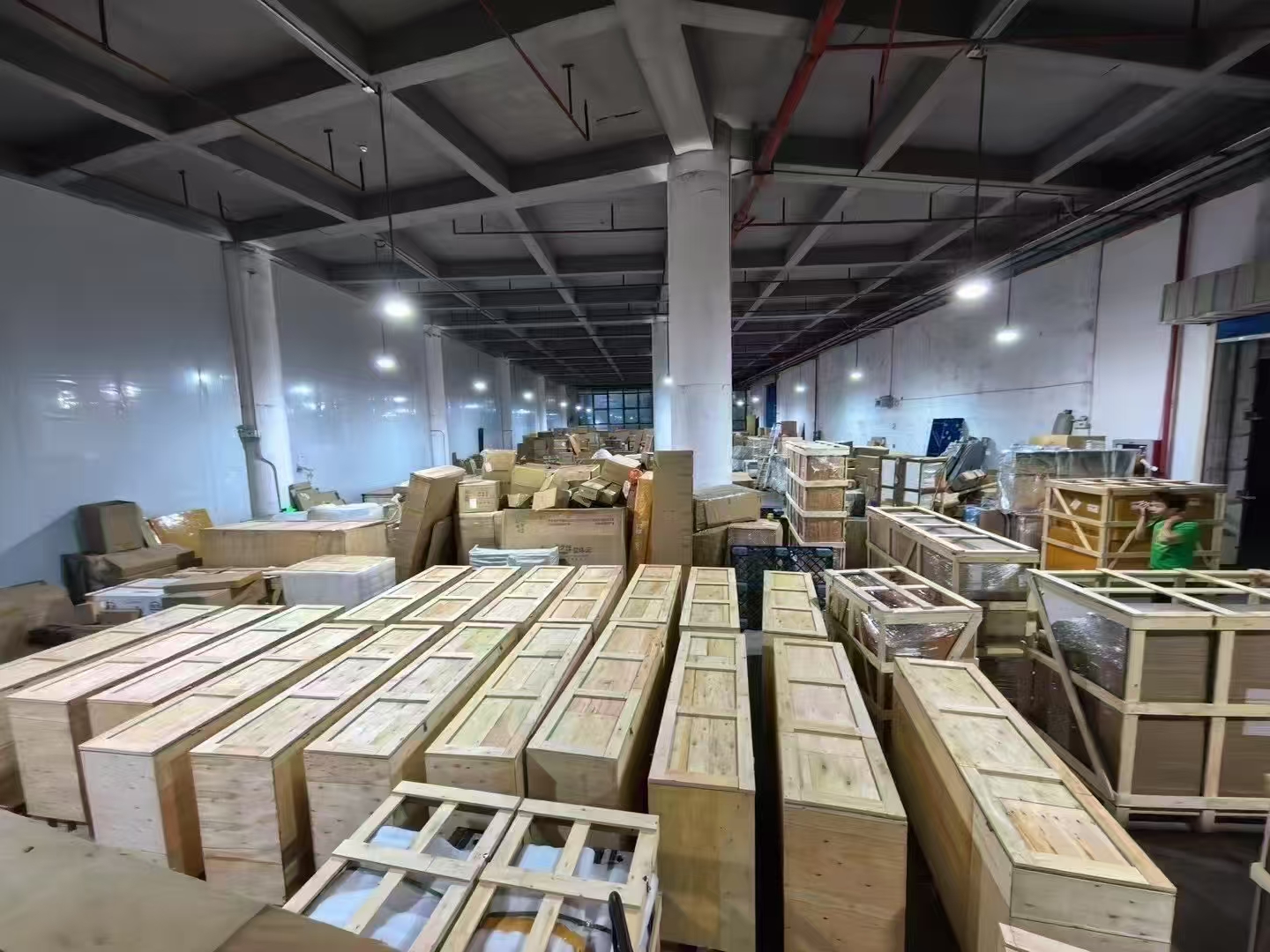
IV. Real - Life Case Study: A Home Goods Seller in Melbourne
A home goods seller in Melbourne wanted to import a 20ft container of various home decor items from China. The goods had an estimated CIF value of $20,000.
Freight and Surcharges: They chose FCL shipping, and the freight rate was $2,200, with a fuel surcharge of $250.Port Charges: The total port charges in China were $350, and in Australia (Port of Melbourne) were $500.
Customs Duties and Taxes: The goods had a duty rate of 7%, so the customs duty was $1,400, and the GST was 10% of ($20,000 + $2,200+ $250+ $350 + $500) which was approximately $2,330. In total, the cost of shipping and importing the 20ft container of home goods was about $26,930.
V. How to Save Costs
Plan Your Shipments in Advance By planning your shipments well in advance, you can avoid peak - season rates and negotiate better deals with carriers. For example, if you know you need to import goods in December, book your container in September or October.Choose the Right Shipping Company Look for a shipping company with a good reputation and experience in the China - Australia route. For example, Ofei International Logistics, which has been operating in the China - Australia cross - border logistics industry for 12 years, can offer you a comprehensive range of services at competitive prices. They have strong relationships with carriers and can often get better rates for their clients.
Optimize Your Packaging Make sure your goods are properly packed to save space. This can be especially important if you're using LCL services. Efficient packaging can reduce the volume of your shipment, thus lowering the cost.
VI. FAQ
Can I get a more accurate cost estimate? Yes, but you'll need to provide detailed information about your goods, such as the type, quantity, weight, and value. You can also consult with a shipping agent like Ofei International Logistics. They have experienced teams who can assess your specific situation and give you a more accurate quote.Are there any additional fees that I may not expect? Sometimes, there could be fees for things like detention (if you keep the container for longer than the agreed - upon time at the port) or demurrage (if the container is delayed in customs). It's important to clarify all these potential fees with your shipping company in advance.
What if my goods are damaged during transit? Most shipping companies offer insurance options. For example, Ofei International Logistics has a service that allows you to insure your goods. If there's damage, you can file a claim, and they'll help you go through the process. Some shipping contracts also have liability clauses, but the insurance provides more comprehensive protection.
Can I change my shipping method after I've booked? It depends on the shipping company's policy. In some cases, it may be possible, but there could be additional fees. It's best to discuss any changes as soon as possible with your shipping agent.
How long does it take to ship a 20ft container from China to Australia? The transit time can vary. For sea freight, it usually takes around 18 - 25 days from major Chinese ports to Australian ports. However, factors like weather conditions and port congestion can affect the exact time.