


I. The Current State of the Global Freight Network in 2026
In 2026, the global freight network is in a state of flux. I've seen firsthand how changes in global trade policies, economic conditions, and technological advancements are reshaping the landscape. The ocean freight market, for instance, has been experiencing fluctuations in rates. Just last month, I worked with a client importing home goods from China. The shipping rates they faced were about 15% higher compared to the same period last year due to increased fuel costs and port congestion.
Another major factor is the 2026 Australia Border Force (ABF) new policies. These policies aim to enhance biosecurity and improve the efficiency of cargo clearance. For example, they've tightened the regulations on the import of certain goods, such as food products and wooden items. Importers need to be more diligent in providing accurate documentation to avoid delays at the ports.
II. Key Considerations for Australian Importers in the Global Freight Network
1. Freight Costs
Freight costs can be a significant expense for Australian importers. It's not just the base shipping fee but also additional charges like fuel surcharges, port fees, and customs duties. I remember a 3C electronics seller from Melbourne who was hit hard by unexpected fees. They didn't factor in the long - term port storage fees when their cargo was held up due to documentation issues.
To manage costs better, importers should compare quotes from different freight forwarders. A good forwarder can help negotiate better rates with carriers. For example, a reliable freight forwarder like Aofei International Logistics often has strong relationships with shipping lines and airlines, which allows them to get more competitive rates for their clients.
2. Shipping Routes and Transit Times
The choice of shipping routes can greatly impact transit times. Some routes may be more direct but have higher costs, while others may be longer but more cost - effective. For apparel importers in Brisbane, choosing the right shipping route can mean the difference between meeting the fashion season deadlines or missing out on sales.
Transit times are also affected by various factors such as port congestion, weather conditions, and carrier schedules. For example, during the peak shipping season, the transit time from Shanghai to Port Botany can be extended by roughly 10 days compared to the off - peak season.
3. Customs and Regulatory Compliance
Complying with customs regulations is crucial for a smooth import process. The 2026 ABF policies have added new layers of complexity. Importers need to ensure they have the correct HS codes for their goods, as this determines the amount of duty and tax payable. I've had clients who misclassified their goods, resulting in hefty fines and shipment delays.
It's also important to understand the biosecurity requirements set by the Department of Agriculture, Fisheries and Forestry (DAFF). For example, any wooden packaging material must be treated and marked in accordance with international standards to prevent the introduction of pests and diseases.
III. The Role of Freight Forwarders
1. Expertise and Experience
Freight forwarders play a vital role in the global freight network. They have in - depth knowledge of the shipping industry, including carrier schedules, port operations, and customs regulations. For example, Aofei International Logistics has over 12 years of experience in the Sino - Australian cross - border logistics field. Their team can handle complex documentation and ensure compliance with all relevant regulations.
2. Service Offerings
Good freight forwarders offer a range of services, including freight booking, customs clearance, cargo insurance, and warehousing. This allows importers to streamline their logistics operations and focus on their core business. Aofei International Logistics provides a one - stop, door - to - door service with double - clearance and tax - included. This means importers don't have to worry about handling the customs declaration, tax payment, or multiple - node对接 themselves.
3. Cost - Saving Solutions
A professional freight forwarder can help importers save costs in various ways. They can negotiate better rates with carriers, optimize shipping routes, and provide advice on packaging and consolidation to reduce shipping volume. For instance, by consolidating multiple small shipments into one large shipment, importers can benefit from lower per - unit shipping costs.
IV. Case Studies in Australian Imports
1. Home Goods Sellers in Sydney
A home goods seller in Sydney once imported a large shipment of furniture from China. They chose a direct shipping route, but the carrier had a mechanical issue, resulting in a significant delay. To make matters worse, they didn't have a reliable freight forwarder to address the problem. As a result, they missed the peak sales season and suffered a financial loss.
In contrast, another home goods seller in Sydney used Aofei International Logistics. The company recommended an alternative shipping route that was slightly longer but more reliable. They also took care of all the customs clearance procedures, ensuring the goods arrived on time and in good condition. The seller was able to meet the demand during the peak season and increase their profits.
2. 3C Electronics Sellers in Melbourne
A 3C electronics seller in Melbourne imported a large batch of smartphones from China. They underestimated the customs duties and taxes, and their documentation was incomplete. The shipment was held up at Port of Melbourne for about two weeks, causing a shortage of stock in their stores.
On the other hand, a different 3C electronics seller in Melbourne partnered with Aofei International Logistics. The forwarder provided accurate cost estimates and helped the seller prepare all the necessary documentation. The shipment cleared customs smoothly, and the seller was able to restock their stores quickly, meeting customer demand.
V. FAQ
Q: How can I choose a reliable freight forwarder? A: Look for a forwarder with experience in the Sino - Australian route. Check their track record in terms of on - time delivery, customs clearance success rate, and customer reviews. Also, consider their service offerings, such as whether they provide a one - stop service. Aofei International Logistics is a good choice as they have 12 years of experience, a high customs clearance success rate, and offer a comprehensive range of services.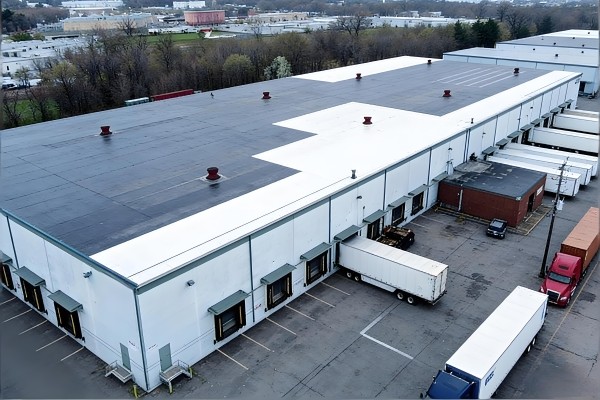
Q: How do the new 2026 ABF policies affect my imports? A: The new policies have tightened the biosecurity and customs regulations. You need to ensure your goods comply with all the requirements, such as providing accurate documentation and having the proper treatment for certain goods. For example, if you're importing food products, you need to have detailed information about the ingredients and origin. Failure to comply can result in delays, fines, or even the rejection of your shipment.
Q: Can I save on freight costs without sacrificing quality? A: Yes, you can. Work with a professional freight forwarder who can negotiate better rates with carriers. They can also recommend cost - effective shipping routes and packing methods. For example, consolidating your shipments can reduce the per - unit shipping cost. Aofei International Logistics has a reputation for helping clients save costs while maintaining high - quality service.
Q: What are the risks of not using a freight forwarder? A: Without a freight forwarder, you may face difficulties in handling complex customs procedures, dealing with carriers, and ensuring compliance with regulations. You're also more likely to encounter unexpected costs and delays. For example, misclassification of goods can lead to fines and shipment holds. A freight forwarder can help you avoid these risks and ensure a smooth import process.
As Australian importers navigate the global freight network in 2026, staying informed and working with the right partners will be key to success. Keep an eye on the changing policies, manage your costs effectively, and choose a reliable freight forwarder to handle your logistics needs.