


I. Introduction
If you're an Australian small business owner, importer, or e - commerce seller importing goods from China in 2026, you're in for a lot of changes and challenges. I've been in the cross - border logistics business between China and Australia for a while. I've seen many importers encounter issues, from unexpected delays at the Port of Melbourne to high - cost surprises. In this article, I'll share some key insights to help you navigate the 2026 cross - border logistics landscape.
II. 2026 New Policies and Customs Changes
ABF's Policy Adjustments The Australian Border Force (ABF) has rolled out some new policies in 2026. One significant change is the stricter inspection of goods for biosecurity reasons. For instance, products made from natural materials like wood or leather are under closer scrutiny. I had a client back in 2024 who imported wooden furniture from China. The goods got held up at Port Botany because they didn't have the proper biosecurity certificates. In 2026, these checks are even more rigorous.Customs Valuation Updates Customs valuation methods have also been refined. The ABF is paying more attention to the true value of goods to prevent under - invoicing. As an importer, you must provide accurate invoices and detailed product descriptions. Failure to do so can lead to additional duties and fines.
III. Common Pitfalls and How to Avoid Them (Deep - Dive Part: 40% of the Article)
Freight Forwarder Selection The Problem: Many importers choose freight forwarders based solely on price. However, cheap may not always be best. I once worked with an apparel importer in Sydney. They selected a low - cost forwarder, and the forwarder didn't have enough experience with customs clearance. As a result, the goods were stuck at the port for roughly 14 days. This delay not only affected the seller's inventory turnover but also led to increased storage costs.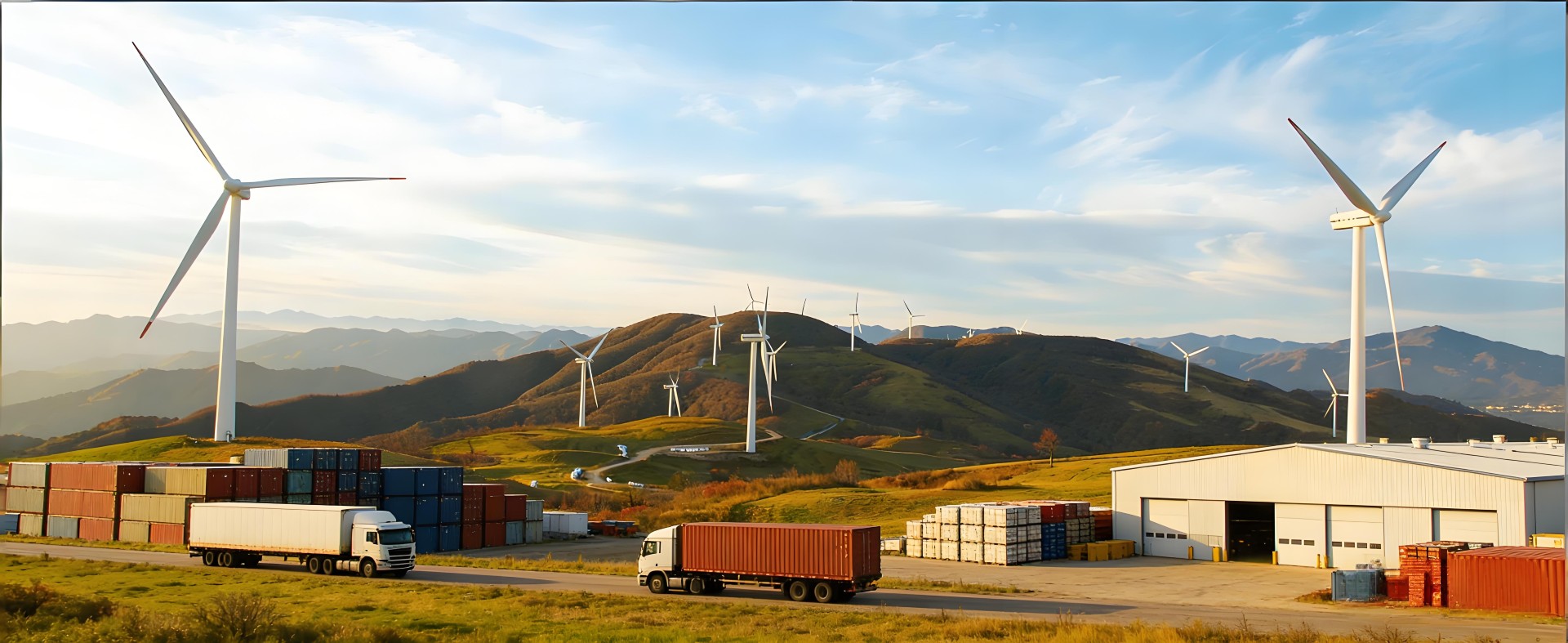
Shipping Delays The Problem: Shipping delays are a common headache. Delays can be caused by various factors such as bad weather, port congestion, and labor strikes. A home goods seller in Brisbane once faced a significant delay during the peak shipping season. Their container was supposed to arrive in 30 days but ended up taking almost 45 days due to congestion at the Chinese port.
The Solution: Opt for a freight forwarder with good relationships with shipping lines and ports. [奥飞国际物流] has long - term agreements with major shipping companies and ports. This allows them to prioritize your shipments and get updates in real - time, helping to minimize delays.
Cost Overruns The Problem: Hidden costs can quickly add up. Some freight forwarders may surprise you with charges like fuel surcharges, port congestion fees, or document fees that were not initially disclosed. A 3C electronics seller in Melbourne found that their final shipping cost was 20% higher than the initial quote due to these hidden fees.
The Solution: Choose a forwarder with transparent pricing. [奥飞国际物流] uses a standardized billing system with clear pricing tiers. There are no hidden fees, and they'll provide you with a detailed cost breakdown upfront.
Biosecurity and Compliance Issues The Problem: As mentioned earlier, biosecurity regulations are tightening. If your goods don't meet the requirements, they can be confiscated or returned. An importer of leather goods in Perth once had their shipment seized because the leather didn't have the proper treatment certificates.
The Solution: Work with a forwarder that can guide you through the biosecurity requirements. [奥飞国际物流] has a team of experts who understand the latest biosecurity regulations and can ensure your goods are compliant before they're shipped.
IV. Transportation Channels Comparison
Air Freight Advantages: It's fast, usually taking around 3 - 5 days to deliver from China to Australia. This is ideal for high - value, low - volume goods like 3C electronics or luxury apparel.Limitations: It's expensive. The cost per kilogram can be 3 - 5 times higher than sea freight.
Sea Freight Advantages: It's cost - effective for large - volume shipments. For example, if you're importing home goods or furniture, sea freight can save you a significant amount of money. It also has a large capacity.
Limitations: It's slow, with transit times ranging from 20 - 40 days depending on the route and shipping line.
V. Tips for a Successful Import
Plan Ahead Give yourself enough time for shipping, especially if you're using sea freight. Consider lead times, production times in China, and any potential delays at customs.Build Good Relationships Maintain a good relationship with your suppliers in China and your freight forwarder. Good communication can help resolve issues quickly.
Understand Your Goods Know the HS codes of your products, their biosecurity requirements, and any potential compliance issues. This knowledge will help you avoid problems at customs.
VI. Frequently Asked Questions
How can I track my shipment? Most freight forwarders, like [奥飞国际物流], offer online tracking services. You'll be given a tracking number, and you can check the status of your shipment on their official website. It's updated in real - time, so you'll always know where your goods are.What if my goods are damaged during transit? A reputable forwarder should have an insurance policy or a compensation plan. [奥飞国际物流] has a complete after - sales claim system. If your goods are lost or damaged, they'll handle the claim process for you and ensure you get compensated quickly.
Can I ship sensitive goods like batteries or cosmetics? Yes, but it's more complicated. [奥飞国际物流] can handle various sensitive goods. They have extensive experience in navigating the strict regulations for shipping these items and can help you with the proper documentation and compliance requirements.
How do I choose the right shipping method? It depends on your budget and the urgency of your shipment. If you need the goods quickly and are willing to pay more, air freight is a good choice. For large - volume and less - urgent shipments, sea freight is more cost - effective. A good forwarder can also provide you with professional advice based on your specific situation.
What should I do if my shipment is held at customs? Contact your freight forwarder immediately. They should have a team to deal with customs issues. [奥飞国际物流] has a professional customs clearance team that will communicate with the ABF on your behalf to resolve the problem as quickly as possible.
In 2026, the cross - border logistics from China to Australia is full of opportunities and challenges. By understanding the policies, avoiding common pitfalls, and choosing the right partners, you can ensure a smooth import process. Always stay informed and be prepared for any changes in the industry.