


I. Introduction
Hey there, Australian small business owners, importers, and e - commerce sellers! As we step into 2026, the world of overseas warehousing is evolving rapidly. I've been in the cross - border logistics game for quite some time, dealing with the ins and outs of sending goods between Australia and other countries. Over the years, I've seen many sellers make mistakes and also witnessed some amazing success stories.
One time, I had a 3C electronics seller from Sydney who was struggling to meet customer delivery times. He was shipping directly from China, and the long transit times were turning customers away. That's when we started exploring overseas warehousing options, and it completely transformed his business. So, in this article, I'll share what you need to know about overseas warehousing this year.
II. Understanding the Basics of Overseas Warehousing
Definition and Concept Overseas warehousing refers to storing goods in a warehouse located in a foreign country, usually close to the target market. For Australian sellers, this could mean having a warehouse in China, the US, or other major trading partners. It allows you to store your inventory in advance and then quickly ship products to customers once an order is placed.Benefits of Overseas Warehousing Faster Delivery Times: By having goods stored locally, you can reduce delivery times from weeks to just a few days. For example, if you're an apparel importer in Melbourne and you have a warehouse in China, you can ship clothes to your customers in Australia much faster than if you were shipping directly from a supplier's factory in China.
Improved Customer Satisfaction: Faster delivery means happier customers. They're more likely to leave positive reviews and become repeat buyers.
Inventory Management: You can better manage your inventory levels. You can monitor stock in real - time and restock as needed, reducing the risk of overstocking or running out of products.
III. The Impact of 2026 Policies on Overseas Warehousing
Customs and Border Regulations The Australian Border Force (ABF) has introduced some new regulations in 2026. For instance, there are stricter rules regarding the declaration of goods in overseas warehouses. Sellers need to provide accurate information about the type, quantity, and value of the goods stored overseas. Failure to do so can result in delays and fines.Biosecurity Measures The Department of Agriculture, Fisheries and Forestry (DAFF) has tightened its biosecurity measures. If you're storing food products, plants, or other items that are subject to biosecurity regulations in your overseas warehouse, you need to ensure they meet the Australian standards. This may involve additional inspections and compliance procedures.
IV. Case Studies: Overseas Warehousing Success and Failure
Success Case: A Home Goods Seller in Brisbane Specific Scenario: A home goods seller based in Brisbane decided to set up an overseas warehouse in China to serve the Australian market. They stored a range of furniture, home decor items, and kitchenware.Problem Encountered: At first, they faced some challenges in finding a reliable warehouse partner in China. There were issues with inventory management and communication due to the time - zone difference.
Final Outcome: After some trial and error, they found a great warehouse operator. Once they had the system in place, they were able to reduce their delivery times from an average of 20 days to just 7 days. Their sales increased by 30% within six months as customers were more willing to buy from them because of the fast delivery.
Failure Case: A Trade Factory - Connected Importer in Sydney Specific Scenario: An importer in Sydney, who was connected to a trade factory in China, decided to use overseas warehousing. They stored a large quantity of industrial parts in a Chinese warehouse.
Problem Encountered: They didn't fully understand the new customs and biosecurity regulations in 2026. When they tried to ship the goods to Australia, a large portion of their inventory was held up at the border due to incorrect declarations.
Final Outcome: They had to pay significant fines and faced delays in getting the goods to their customers. This led to a loss of business and a damaged reputation in the market.
V. Choosing the Right Overseas Warehousing Partner
Location Choose a location that is strategically important. For Australian sellers, popular locations include China, the US, and Singapore. Consider factors like proximity to suppliers, transportation links, and the size of the target market.Reputation and Experience Look for a partner with a good reputation in the industry. Check for reviews and testimonials from other sellers. Also, consider their experience in handling products similar to yours. For example, if you're a 3C electronics seller, look for a partner who has experience in storing and shipping electronics.
Cost Structure Understand the cost structure of the warehousing partner. There may be storage fees, handling fees, and shipping fees. Compare different partners to find the one that offers the best value for money. However, don't just go for the cheapest option, as quality and reliability are also important.
VI. Setting Up Your Overseas Warehouse
Inventory Planning Before you start stocking your overseas warehouse, do a thorough inventory planning. Analyze your sales data to determine which products are best - sellers and how much inventory you need to store. This will help you avoid overstocking or understocking.Shipping and Customs Documentation Ensure you have all the necessary shipping and customs documentation in order. This includes bills of lading, commercial invoices, and certificates of origin. Incorrect or incomplete documentation can lead to delays and additional costs.
FAQ
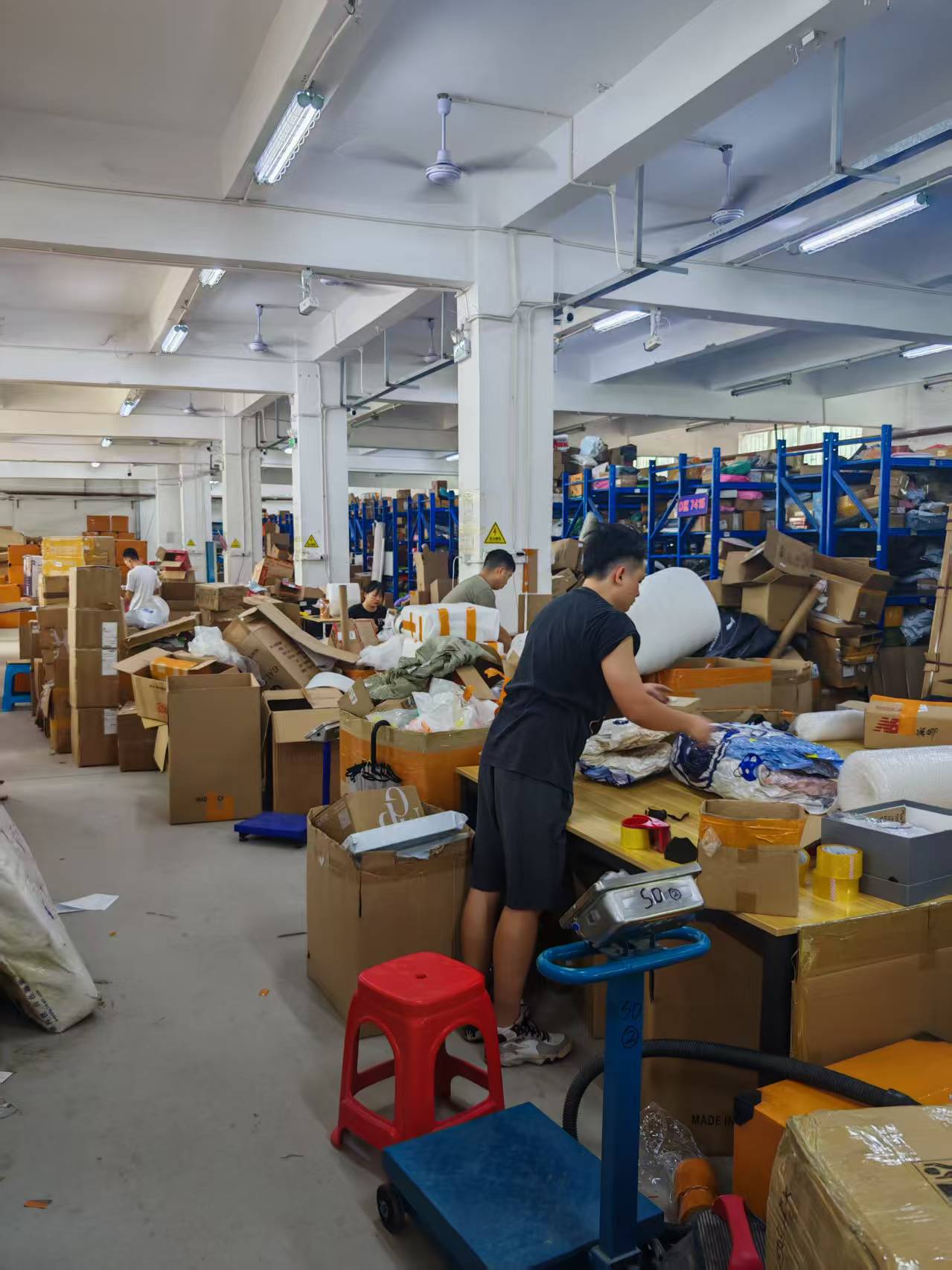
What if I don't have enough capital to set up an overseas warehouse? Well, you don't necessarily have to own the warehouse. You can partner with a third - party logistics provider (3PL) like [奥飞国际物流]. They offer overseas warehousing services where you can store your inventory, and they'll handle the rest. This way, you can enjoy the benefits of overseas warehousing without a huge upfront investment.How can I ensure my goods are safe in an overseas warehouse? Choose a reputable warehousing partner. They should have proper security measures in place, such as CCTV surveillance, access control, and fire prevention systems. You can also ask for insurance options to protect your goods against damage, theft, or loss.
What if there are changes in the Australian customs or biosecurity policies while my goods are in the overseas warehouse? Stay updated on the policy changes. A good warehousing partner will also keep you informed. If there are changes, work with them to ensure your goods comply. Sometimes, you may need to make adjustments to your inventory or the way you package and label your products.
Can I use overseas warehousing for all types of products? Most products can be stored in overseas warehouses, but there are some restrictions. For example, products that are subject to strict biosecurity regulations or have special handling requirements may need additional approvals or storage conditions. Make sure to check with the relevant authorities and your warehousing partner before storing such products.
How do I monitor the inventory in my overseas warehouse? Many warehousing partners offer real - time inventory management systems. You can log in to these systems and check the quantity, location, and movement of your goods. This helps you make informed decisions about restocking and order fulfillment.
As you consider overseas warehousing in 2026, keep these tips in mind. It can be a great way to improve your business, but it's important to do it right. Do your research, choose the right partner, and stay compliant with the regulations. You'll be well on your way to success in the cross - border market!