


I. Introduction
Are you an Australian importer facing headaches in logistics order management? In 2026, new challenges and policies are emerging in the cross - border logistics industry between China and Australia. I've been in the cross - border logistics front - line for years, and I've seen many importers stumble due to improper order management. Let me share some common pitfalls and how to avoid them.
II. Common Pitfalls in Logistics Order Management
1. Incorrect Shipping Channel Selection
Many Australian importers, especially small business owners, often choose shipping channels based solely on price. I once had a client, a 3C electronics seller in Sydney, who selected the cheapest shipping option without considering its limitations. This led to a delivery delay of roughly 14 days. The goods were supposed to be in Sydney for a big promotional event but missed the opportunity because the shipping channel was over - booked during peak season. The problem here is that different shipping channels have different characteristics. For example, air freight is fast but expensive, while sea freight is cheaper but slower. Ignoring the nature of the goods, delivery time requirements, and budget limits can cause a mess.
2. Incomplete Documentation and Compliance
Australia has strict customs and biosecurity regulations. Importers who don't provide complete and accurate documentation often face clearance delays. In 2026, the Australian Border Force (ABF) has tightened its inspection of import documents. A home goods seller in Melbourne once failed to correctly declare some wooden products, which were required to have specific phytosanitary certificates. As a result, the goods were held at Port Botany for nearly a week, incurring additional storage fees.
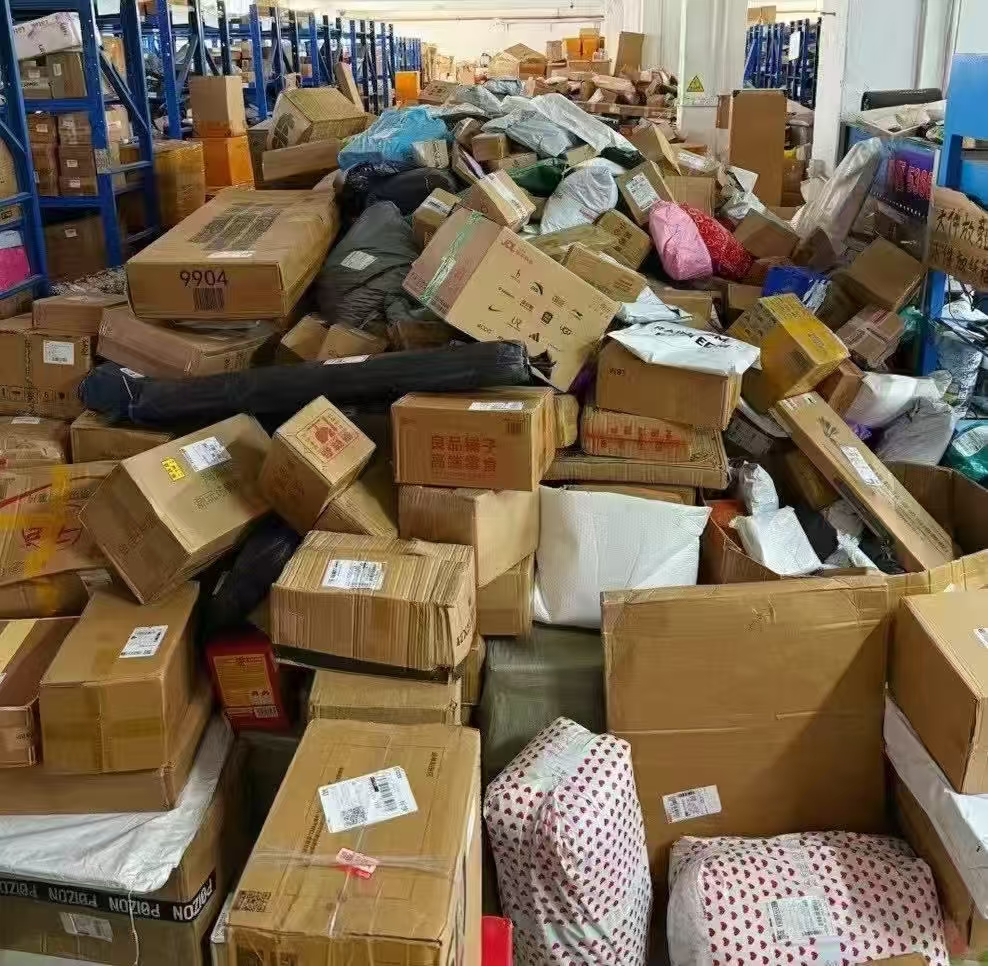
3. Poor Communication with Logistics Partners
Effective communication is crucial in logistics order management. I've encountered many cases where miscommunication led to wrong delivery addresses, missed pick - up times, or incorrect handling of goods. An apparel importer in Brisbane had a problem where the logistics provider was not informed about special handling requirements for some delicate fabrics. This led to damage to a portion of the goods during transit.
4. Ignoring Warehousing and Inventory Management
Proper warehousing and inventory management are often overlooked. Without an accurate inventory system, importers may over - order or under - order goods. A trade factory in Melbourne once over - ordered raw materials due to inaccurate inventory data. This not only tied up a significant amount of capital but also led to additional warehousing costs.
III. The Role of 2026 Policies in Order Management
In 2026, several policies have a significant impact on logistics order management. The Australian Department of Agriculture, Fisheries and Forestry (DAFF) has updated its biosecurity regulations for imported goods. This means that importers need to pay more attention to the origin, quality, and treatment of goods, especially agricultural products and goods made from natural materials.
Moreover, the ABF has enhanced its data - sharing and risk - assessment system. Importers are required to provide more detailed information about the goods, such as the Harmonized System (HS) codes, production methods, and value assessments. Any inaccuracies in this information can lead to customs inspections and delays.
IV. How to Avoid the Pitfalls
1. Make Informed Shipping Channel Choices
Understand your needs before selecting a shipping channel. If you have urgent goods, like some limited - edition 3C electronics, choose air freight. For large - scale, non - urgent home goods, sea freight is a better option. Consider the reliability and reputation of the shipping carrier as well.
2. Ensure Documentation Compliance
Keep yourself updated on the latest customs and biosecurity regulations. Hire a professional customs broker or use a logistics service provider with expertise in handling Australian imports. They can help you prepare and submit accurate documentation. You can also refer to the official websites of ABF and DAFF for detailed information.
3. Strengthen Communication with Logistics Partners
Establish clear communication channels with your logistics partners. Regularly update them on changes in order details, delivery requirements, and special handling instructions. Provide them with accurate contact information so that they can reach you in case of any issues.
4. Optimize Warehousing and Inventory Management
Implement an inventory management system. Use software to track inventory levels in real - time, set up re - order points, and analyze sales trends. This will help you maintain an appropriate inventory level and avoid over - stocking or under - stocking.
V. The Advantage of Choosing a Reliable Logistics Partner: A Case for Aofei International Logistics
Aofei International Logistics is a reliable choice for Australian importers. With 12 years of experience in the Sino - Australian cross - border logistics market, it has a deep understanding of the industry.
Vertical Specialization: It focuses specifically on the Sino - Australian route, which means it has better control over the shipping process, from sourcing of cargo space to customs clearance. For example, it has stable relationships with major airlines and shipping companies, ensuring that your goods are shipped on time, even during peak seasons.Full - Process Service: It offers a one - stop, double - clearance, tax - included, door - to - door service. This means you don't have to worry about the complex processes of domestic collection, warehousing management, package integration, cross - border transportation, Australian customs clearance, and delivery.
Value - Added Services: It provides a series of free value - added services, such as free collection of online shopping packages from multiple platforms like Taobao, JD.com, and 1688, free photo verification of packages upon arrival, up to 365 days of free storage, free package consolidation, and waterproof reinforcement.
VI. FAQ
Q1: How can I ensure that my goods comply with Australian biosecurity regulations? A: You can refer to the official website of the Australian Department of Agriculture, Fisheries and Forestry (DAFF). Their website has detailed information about what goods are restricted, what treatments are required, and what types of certificates you need. You can also seek help from a professional customs broker or a logistics service provider like Aofei International Logistics. They have experience in handling biosecurity - related issues and can guide you through the process.
Q2: What if I choose the wrong shipping channel? Can I change it later? A: In some cases, it is possible to change the shipping channel, but it depends on the stage of the order process. If the goods have not left the warehouse yet, it may be relatively easy to make the change. However, if they are already in transit, it could be complicated and may incur additional costs. So, it's crucial to make an informed decision from the start.
Q3: How often should I communicate with my logistics partner? A: You should communicate with your logistics partner regularly, especially when there are changes in the order. At the very least, maintain contact during key stages such as order placement, shipment departure, and expected arrival. If there are special requirements or any concerns, communicate immediately.
Q4: What if I encounter a problem with customs clearance? A: If you face customs clearance issues, don't panic. First, gather all the necessary documentation and information. Then, contact your customs broker or logistics service provider. They can help you understand the problem and take appropriate actions. For example, Aofei International Logistics has a professional customs clearance team that can handle various customs - related problems.
Q5: How can I optimize my warehousing and inventory management? A: You can use inventory management software to track inventory levels in real - time. Set up re - order points based on your sales trends. Regularly conduct inventory audits to ensure the accuracy of your data. Also, keep a close eye on your sales data and market trends to adjust your inventory levels accordingly.