


Introduction
Shipping personal effects to Australia via sea freight can be a complex process, especially with the upcoming 2026 Australian Border Force (ABF)新政. I've been in the cross - border logistics business for years, dealing with countless shipments between China and Australia. I've seen firsthand the problems that shippers can run into. In this article, I'll share some common pitfalls and how to avoid them.
I. Failing to Understand New 2026 ABF Policies
By 2026, there will be stricter regulations on personal effects' entry into Australia. One major change is in the area of biosecurity. The Department of Agriculture, Fisheries and Forestry (DAFF) is expected to increase inspections for items that could carry pests or diseases.
I had a client back in 2024 who shipped a lot of wooden furniture from China to Sydney. Unbeknownst to them, the wood had some pest larvae. The shipment was held at Port Botany for weeks, and they had to pay hefty fees for fumigation and inspection.
To avoid this, shippers should check DAFF's official website for updated biosecurity lists. Any wooden items, food products, or plant materials must comply with strict requirements. They may need to be treated, sourced from approved areas, or accompanied by proper certificates.
II. Inaccurate Documentation
Documentation is the backbone of any sea - freight shipment. In 2026, the ABF will likely enforce more rigorous checks on paperwork for personal effects.
Missing or Incorrect Declarations A common mistake is not declaring all items accurately. For example, if you're shipping a box full of clothes but also have a few electronic gadgets hidden inside, and you only declare the clothes, it can lead to problems. I once had an apparel importer from Melbourne who didn't declare some high - end fashion accessories in a shipment. The ABF discovered this during inspection, and the entire shipment was delayed. To prevent this, make a detailed list of all items, including their quantity, value, and description. Use the correct HS codes for each item to ensure accurate customs valuation.
Incomplete Certificates Some personal effects may require specific certificates, such as certificates of origin or quality certificates. For 3C electronics sellers shipping products to Australia, the lack of proper safety certificates can cause major issues. In 2025, a group of 3C electronics sellers in Brisbane had their shipment seized because they didn't have the right CE or FCC certificates for their gadgets. Before shipping, find out what certificates are required for your items and obtain them in advance.
III. Ignoring Packaging Requirements
Proper packaging is crucial for the safety of your personal effects during sea freight. In 2026, the ABF may also have new packaging - related regulations to prevent damage and contamination.
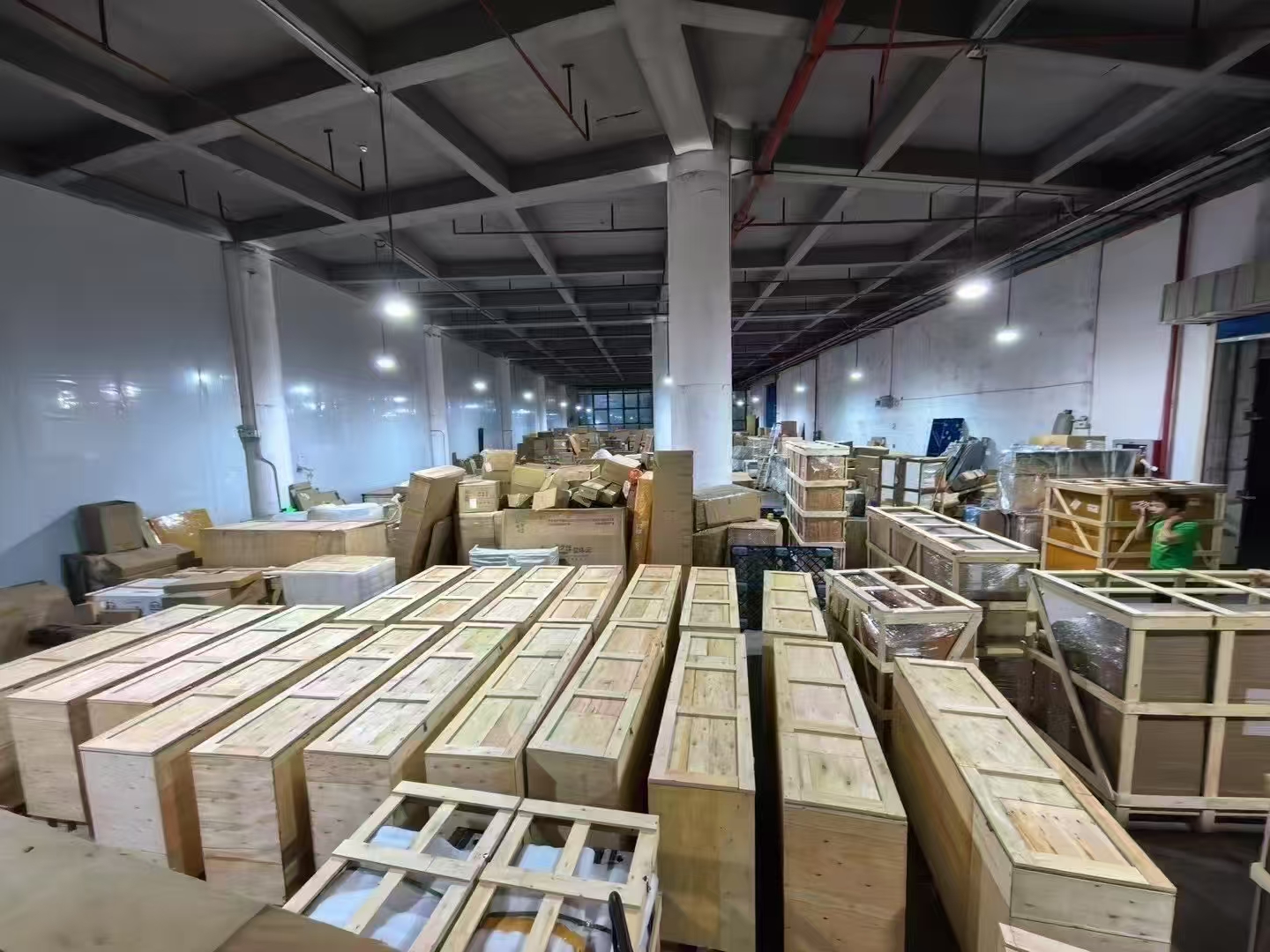
Insufficient Protection Many shippers underestimate the harsh conditions that goods face during sea transportation. For example, if you're shipping glassware without enough cushioning, it's likely to break. I've seen several cases where home goods sellers from Sydney lost a significant amount of their products due to improper packaging. Their fragile items were just thrown into boxes without proper padding. Use high - quality packaging materials like bubble wrap, styrofoam, and strong cardboard boxes. Fill any empty spaces in the boxes to prevent items from shifting.
Non - compliant Packaging Materials The ABF may restrict the use of certain packaging materials, especially those that could pose a biosecurity risk. For instance, some types of wooden pallets may need to be treated or sourced from approved suppliers. If you use non - compliant pallets, your shipment could be held up.
IV. Inadequate Insurance Coverage
Sea freight is subject to various risks, such as theft, damage, and natural disasters. Without proper insurance, you could face significant financial losses.
Underestimating the Value of Goods I've met some importers who insured their goods for a lower value than their actual worth to save on insurance premiums. But when a shipment was damaged, they received only a fraction of the compensation they needed. For example, an apparel importer from Melbourne insured a shipment of designer clothes for less than their market value. When the clothes got wet during transit, the insurance payout was not enough to cover the loss. Make sure to accurately assess the value of your personal effects and purchase insurance that provides full coverage.
Choosing the Wrong Insurance Policy There are different types of insurance policies available for sea freight, such as All Risks, Free of Particular Average (FPA), and With Particular Average (WPA). Each policy has different levels of coverage. Some shippers choose the wrong policy without fully understanding its terms and conditions. For example, if you choose FPA, it may not cover partial losses in certain situations. Consult with an insurance expert or your logistics provider to choose the most suitable insurance policy for your shipment.
V. FAQ
What if I've already shipped my personal effects before realizing I didn't follow the 2026 ABF policies? It depends on how serious the non - compliance is. If it's a minor issue, such as a small error in documentation, you may be able to correct it with the help of your logistics provider. However, if it's a major violation, such as shipping prohibited items, your shipment could be seized, and you may face fines.
Can I use any shipping company to send my personal effects to Australia? It's recommended to use a shipping company with experience in handling personal effects shipments to Australia, especially with the new 2026 policies. For example, 奥飞国际物流 has been in the cross - border logistics business for 12 years, focusing on the China - Australia route. They have a deep understanding of the customs and biosecurity regulations and can help you avoid many potential problems.
How long does it usually take for personal effects to arrive in Australia via sea freight? Typically, it takes roughly 20 - 30 days from the time of shipment departure in China to arrival at an Australian port, such as Port Botany or Port of Melbourne. However, this can vary depending on factors like shipping routes, weather conditions, and customs clearance times.
Do I need to pay customs duties for my personal effects? In most cases, personal effects for your own use are exempt from customs duties up to a certain value. But you still need to declare all items accurately. If you're bringing in new items or a large quantity of valuable items, you may need to pay duties. Check the ABF's official website for the latest duty - free allowance.
What if my personal effects are damaged during transit? If you've purchased insurance, you should contact your insurance provider as soon as possible. Provide them with all the necessary documentation, such as photos of the damaged goods and the bill of lading. They will guide you through the claims process. If you didn't buy insurance, you can try to negotiate with the shipping company, but it may be more difficult to get compensation.