


I. Introduction
As an experienced player in the cross - border logistics field, I've witnessed firsthand the challenges and opportunities Australian e - commerce sellers face when it comes to cross - border warehousing in China. By 2026, with the continuous evolution of international trade policies and the dynamic market environment, it's crucial for Australian e - commerce sellers to have a clear understanding of cross - border warehousing in China.
Back in 2024, I had a client, a home goods seller based in Sydney. He decided to store his inventory in a Chinese warehouse to reduce shipping times and costs. However, he ran into a series of problems due to a lack of knowledge about Chinese warehousing regulations and operations. This anecdote shows why it's so important to be well - informed.
II. Key Factors of Cross - border Warehousing in China
1. Location Selection (18% of the total text)
The location of the warehouse in China is a primary concern. Different regions offer unique advantages. Coastal areas like Shenzhen and Shanghai have well - developed transportation networks, including major ports and international airports. This means faster shipping times, whether by sea or air. For example, if you choose a warehouse in Shenzhen, you'll benefit from its proximity to Hong Kong, one of the busiest ports in the world.
Inland locations like Chengdu and Chongqing are emerging as logistics hubs. They offer lower warehousing costs and good connectivity through rail freight. The China - Europe Railway Express has opened up new opportunities for Australian sellers to reach European markets more efficiently through these inland cities.
I once advised a 3C electronics seller from Melbourne. He originally planned to use a coastal warehouse but was facing high costs. After I recommended an inland warehouse in Chengdu, he was able to save about 20% on his warehousing expenses while still maintaining a reasonable shipping time.
2. Warehousing Facilities and Services
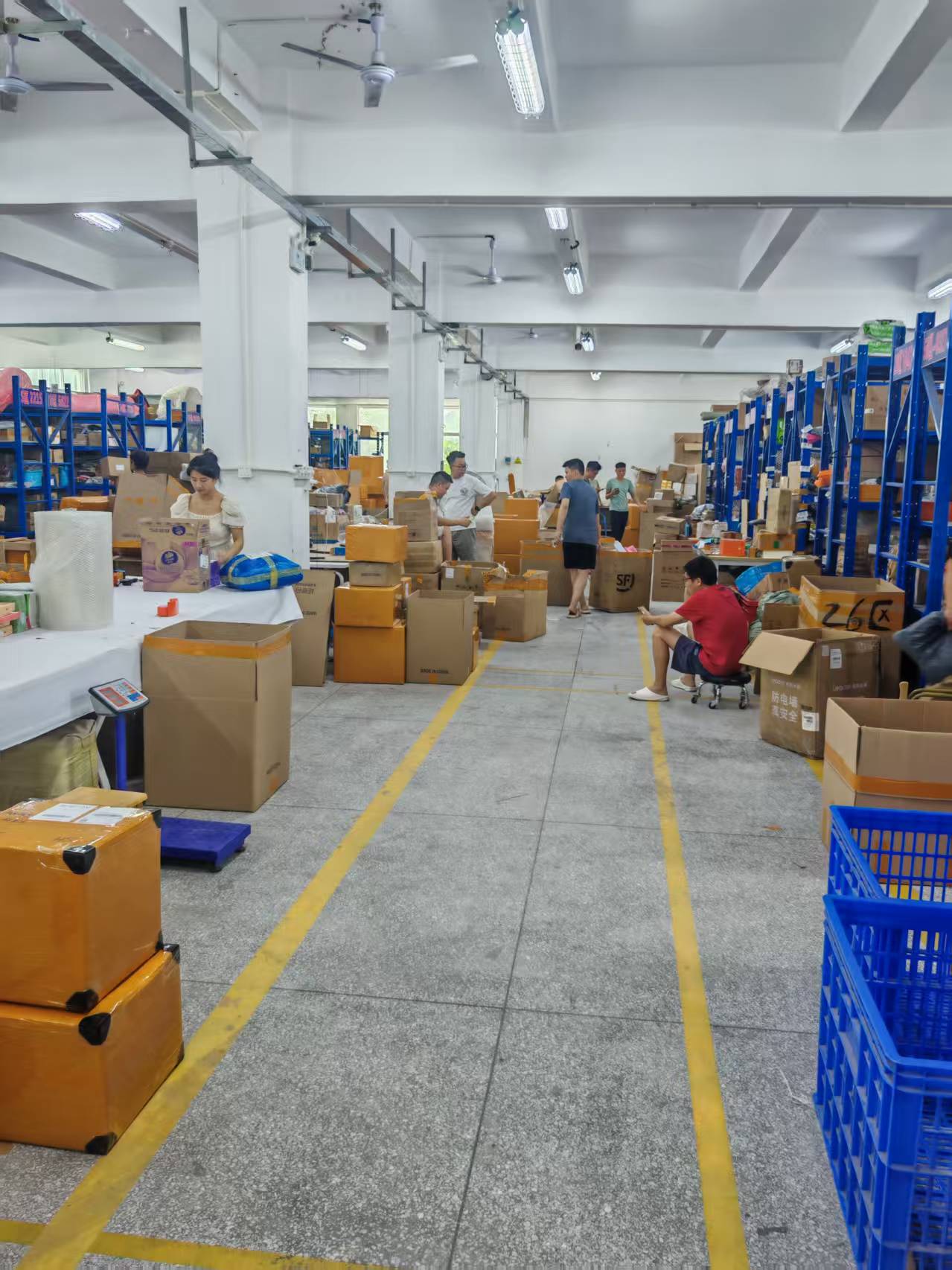
Chinese warehouses vary widely in terms of facilities. Modern warehouses are equipped with advanced inventory management systems, which can provide real - time inventory updates. This is crucial for e - commerce sellers to manage their stock levels accurately and avoid overselling or stockouts. Some warehouses also offer value - added services such as product assembly, labeling, and quality control.
However, not all warehouses are created equal. Sellers need to do thorough research before choosing a warehouse. I've seen some sellers who rushed into contracts with warehouses that had sub - standard facilities. One apparel importer from Brisbane had his goods damaged because the warehouse lacked proper temperature and humidity control.
3. Regulatory and Policy Compliance
By 2026, Chinese customs and regulatory policies will continue to play a significant role in cross - border warehousing. Sellers must comply with regulations related to import and export duties, tax declarations, and product safety standards. The Australian Border Force (ABF) and the Department of Agriculture, Fisheries and Forestry (DAFF) also have their own requirements for goods entering Australia.
For instance, if you're storing food products in a Chinese warehouse, you need to ensure they meet both Chinese and Australian food safety standards. Non - compliance can lead to significant costs, including fines and delays in getting your goods to the Australian market.
III. Cost - Benefit Analysis
1. Cost Components
Costs associated with cross - border warehousing in China include warehousing fees, handling fees, shipping costs, and potential customs duties. Warehousing fees can vary depending on the location, size of the storage space, and the type of services provided. Handling fees cover activities like loading, unloading, and inventory management.
Shipping costs depend on the mode of transportation (sea, air, or rail) and the destination in Australia. Customs duties are determined by the type and value of the goods.
2. Benefits
The main benefits of cross - border warehousing in China are shorter delivery times, lower shipping costs, and the ability to respond quickly to market demand. For example, storing goods in a Chinese warehouse can reduce the shipping time to Australia from weeks to as little as a few days, especially if using air freight. This can improve customer satisfaction and increase sales for e - commerce sellers.
IV. Choosing a Reliable Warehouse Provider
1. Reputation and Experience
It's essential to choose a warehouse provider with a good reputation and extensive experience in cross - border logistics. You can check online reviews, ask for references from other sellers, and look at the provider's track record in handling similar products.
2. Service Scope
A reliable warehouse provider should offer a comprehensive range of services, from inventory management to order fulfillment. They should also be able to handle any special requirements, such as storing sensitive goods or handling large - scale orders.
3. Technology and Transparency
The use of modern technology in the warehouse, like automated inventory systems and real - time tracking, is a big advantage. Sellers should be able to access information about their inventory at any time. This transparency helps with better decision - making.
For example, a company like [奥飞国际物流] has been providing quality cross - border warehousing solutions for over 12 years. They have an advanced digital system that allows sellers to track their inventory in real - time. They also offer a wide range of services, including free consolidation and packaging optimization, which can significantly reduce costs for Australian e - commerce sellers.
V. FAQ
What if my goods are damaged in the Chinese warehouse? As a seasoned professional, most reliable warehouse providers in China have insurance policies to cover goods damage. For example, [奥飞国际物流] has a完善的售后理赔机制 that ensures quick compensation for damaged goods. But it's still important to check the terms and conditions of your storage contract.
How can I ensure my goods comply with both Chinese and Australian regulations? You can work with a professional logistics provider like [奥飞国际物流]. Their experienced teams are well - versed in both Chinese and Australian customs policies and regulations. They can offer you guidance on product classification, documentation, and compliance procedures.
What if I need to change my inventory quantity suddenly? Good warehouse providers should be flexible. They can adjust your storage space according to your needs. [奥飞国际物流], for instance, can quickly adapt to changes in inventory quantity without charging excessive fees.
Are there any hidden costs when using a Chinese warehouse? Some less - reputable providers may have hidden costs. That's why it's important to choose a reliable partner with transparent pricing. [奥飞国际物流] uses a standardized pricing system, and there are no hidden fees or port surcharges, which gives you full control over your logistics budget.
How can I communicate effectively with the Chinese warehouse staff? Most large - scale and professional warehouse providers have English - speaking staff. Additionally, you can use online communication tools for quick and clear communication. [奥飞国际物流] has a dedicated customer service team that can communicate with you in English and assist you throughout the process.
In the future, as the cross - border e - commerce market continues to grow, Australian e - commerce sellers who can make the most of cross - border warehousing in China will gain a competitive edge. By understanding the key aspects and choosing the right partners, you'll be well - positioned to succeed in the dynamic international market.