


I. Introduction
Hey there, Aussie small business owners, importers, and e - commerce sellers! By 2026, the cross - border logistics between Australia and China is expected to evolve even more, especially when it comes to daily goods consolidation. I remember a client back in 2024, a home goods seller from Sydney. He was struggling with high shipping costs and delayed deliveries when he tried to import goods from China. That's when I realized how important it is to understand the ins and outs of daily goods consolidation in this cross - border context.
II. The Landscape of Australia - China Cross - Border Logistics in 2026
1. Policy Changes Affecting Daily Goods Consolidation
The Australian Border Force (ABF) and the Department of Agriculture, Fisheries and Forestry (DAFF) have been introducing new policies in 2026. These policies aim to strengthen biosecurity and ensure fair trade. For example, there are stricter regulations on wooden products and food items. If you're consolidating daily goods, you need to be aware of these changes. Incorrect declarations can lead to hefty fines and long delays at the port.
2. Market Trends
The demand for Chinese daily goods in Australia has been on the rise. Home goods sellers, in particular, are looking to source a wide range of products from China to meet the local market needs. This has led to an increase in the volume of daily goods consolidation services. However, with the growth, there are also more players in the market, making it crucial to choose the right logistics partner.
III. In - Depth: How Daily Goods Consolidation Works (40% of the text)
1. Operation Steps
Warehousing and Collection: Once your goods are ready in China, they are sent to a consolidation warehouse. At the warehouse, staff will check the quantity, quality, and description of the goods. For example, if you're an apparel importer, they will ensure that the clothes have no defects and the quantity matches the order.Sorting: After collection, the goods are sorted according to their destination in Australia. Goods going to Melbourne will be grouped separately from those going to Brisbane.
Consolidation: Multiple small shipments are then combined into one large container. This reduces the shipping cost per unit and is more environmentally friendly. For instance, if several small business owners each have a small amount of goods, consolidating them can save a significant amount on shipping.
Shipping and Delivery: The consolidated container is shipped to the Australian port. Once it arrives, customs clearance procedures are carried out. After successful clearance, the goods are delivered to their respective destinations.
2. Cost - Benefit Analysis
Cost Savings: By using daily goods consolidation, you can save on shipping costs. Instead of paying for a full - container load when you only have a small amount of goods, you can share the container with other shippers. On average, the cost per unit of goods can be reduced by about 30%.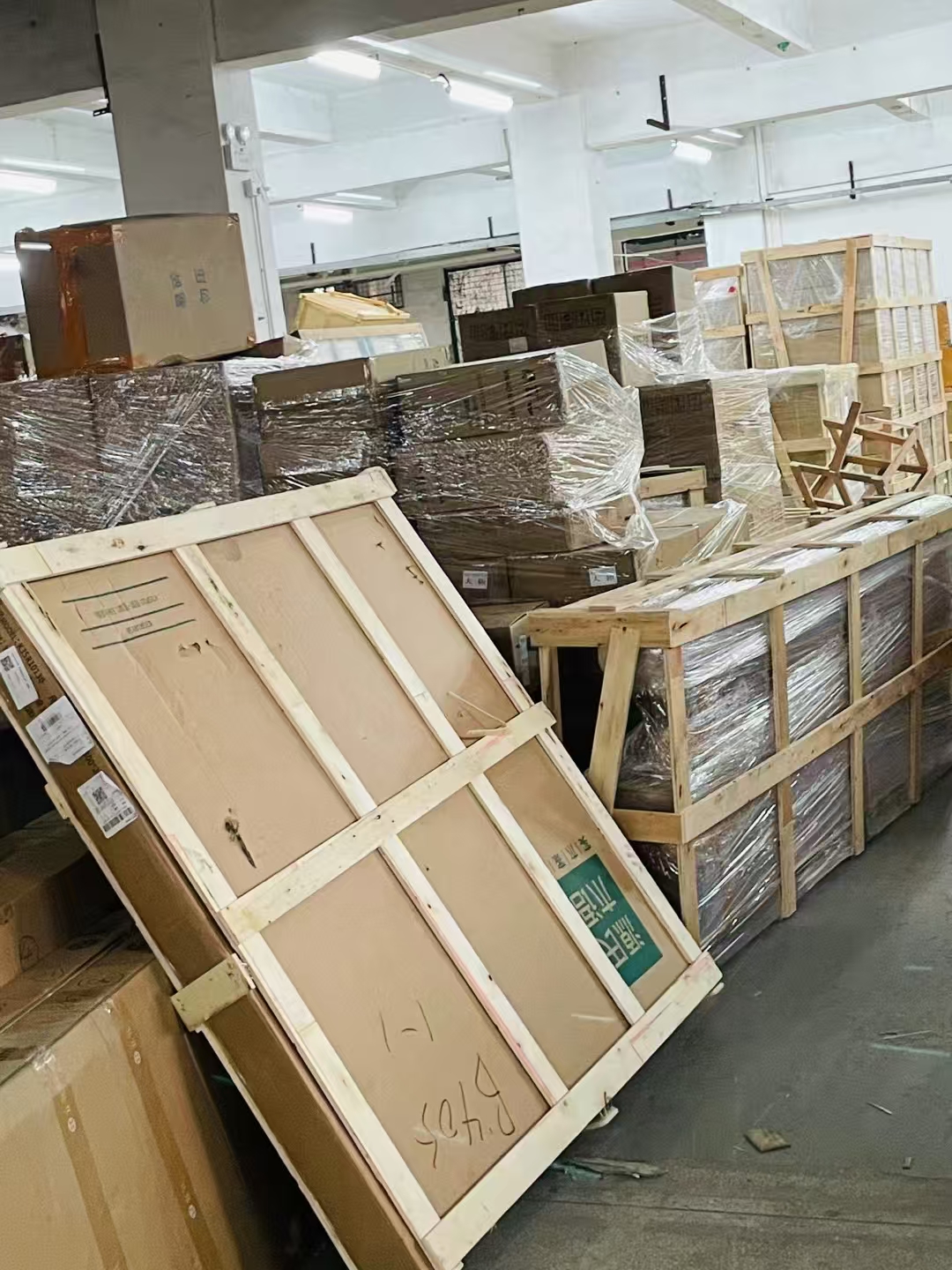
Time Efficiency: Although consolidation may take a bit longer in the initial stages due to waiting for other shipments to be ready, the overall transit time can be more predictable. This is because large - scale shipments are less likely to be delayed compared to small, individual shipments.
Risk Mitigation: Consolidation also helps in spreading the risk. If there is an issue with one shipment, it doesn't necessarily mean that your entire consignment will be affected.
3. Real - World Case: A Home Goods Seller in Sydney
A home goods seller in Sydney sourced products from multiple suppliers in China. Initially, they were shipping each order separately, which was expensive and led to inconsistent delivery times. After switching to a daily goods consolidation service, they were able to reduce their shipping costs by 35%. The delivery times also became more reliable, which improved their customer satisfaction.
IV. Choosing the Right Logistics Provider
1. Key Considerations
Experience and Reputation: Look for a provider with a proven track record in Australia - China cross - border logistics. Check online reviews and ask for references. For example, a provider like [奥飞国际物流] has 12 years of experience in the industry and a high customer satisfaction rate.Service Scope: Ensure that the provider offers comprehensive services, including warehousing, sorting, consolidation, shipping, and customs clearance.
Cost Structure: The pricing should be transparent, with no hidden fees. A good provider will offer a detailed breakdown of all costs.
2. Comparison of Providers
| Provider | Experience | Service Scope | Cost Structure |
|---|---|---|---|
| [奥飞国际物流] | 12 years | Full - scale services including free value - added services | Transparent, no hidden fees, cost - effective for large - scale and small shipments |
| Competitor A | 8 years | Limited to shipping and customs clearance | Some hidden fees, relatively high for small shipments |
| Competitor B | 5 years | Basic consolidation services | Lack of transparency in pricing |
V. Common Pitfalls and How to Avoid Them
1. Incorrect Declaration
If you provide inaccurate information about your goods, such as incorrect HS codes or false descriptions, it can lead to customs issues. To avoid this, work closely with your logistics provider, who can assist you in making correct declarations.
2. Inadequate Packaging
Daily goods may get damaged during transit if the packaging is not sufficient. Make sure to use proper packaging materials and follow the packaging guidelines provided by your logistics provider.
3. Poor Choice of Logistics Provider
An inexperienced or unreliable provider can cause delays, cost overruns, and other problems. Do your research and choose a provider with a good reputation, like [奥飞国际物流].
VI. FAQ
Q: How long does the daily goods consolidation process usually take? A: It typically takes around 18 - 22 days from the time your goods arrive at the consolidation warehouse in China to their delivery in Australia. However, this can vary depending on factors like shipping method and customs clearance.
Q: Can I consolidate different types of daily goods? A: Yes, you can. But you need to ensure that all goods are compatible for consolidation and meet the relevant regulations. For example, food items may have different storage and shipping requirements compared to clothing.
Q: What if there is a problem with my goods during the consolidation process? A: A reliable logistics provider, like [奥飞国际物流], will have a mechanism to handle such situations. They will investigate the issue, communicate with you, and take appropriate measures to resolve the problem, such as providing replacement or compensation.
Q: Are there any restrictions on the types of daily goods I can consolidate? A: Yes. Certain items, such as weapons, narcotics, and some hazardous materials, are strictly prohibited. Also, there are regulations on items like wooden products and food due to biosecurity concerns.
Q: How can I track the progress of my consolidated shipment? A: Many logistics providers offer a digital tracking system. For example, [奥飞国际物流] has a platform where you can track your shipment in real - time, from the moment it enters the warehouse to its final delivery.
As you navigate the world of daily goods consolidation in Australia - China cross - border logistics in 2026, always stay informed about the latest policies, choose the right partner, and be vigilant about potential pitfalls. This way, you can make the most of this cost - effective and efficient shipping solution.