


I. Introduction
In 2026, the Australian border policies and market environment for cross - border logistics are constantly evolving. Moving large quantities of goods, especially for home goods sellers or apparel importers relocating to Australia, can be fraught with challenges. I've been in the front - line of cross - border logistics between China and Australia for years, and I've witnessed many removalists fall into common traps. Let me share some valuable insights to help you avoid these pitfalls.
II. Common Pitfalls to Avoid
1. Ignoring 2026 Australian Regulatory Updates
The Australian Border Force (ABF) and the Department of Agriculture, Fisheries and Forestry (DAFF) have introduced new regulations in 2026. For instance, there are stricter inspections on wooden products due to concerns about pests and diseases. I had a client back in 2026 who was an apparel importer in Sydney. They shipped a consignment with wooden hangers that weren't properly treated. As a result, the entire shipment was held at Port Botany for several weeks, incurring significant storage fees and causing delays in getting the products to market. Make sure to stay updated on these regulations and ensure your goods comply.
2. Inadequate Packaging and Labeling
Proper packaging is crucial, especially for long - distance shipping. Fragile items need extra protection. I've seen many cases where home goods sellers in Melbourne shipped glassware without sufficient cushioning. When the goods arrived, a large portion was broken. Additionally, clear and accurate labeling is necessary. Incorrect labeling can lead to misrouting or delays during customs clearance. For example, if a label doesn't clearly state the contents and origin of the goods, customs officers may need to conduct more in - depth inspections.
3. Choosing the Wrong Logistics Provider
Not all logistics providers are created equal. Some may offer low prices but have poor service quality. A few months ago, I encountered an apparel importer in Brisbane who chose a cheap and inexperienced provider. The provider constantly failed to meet the promised delivery times, and there were issues with communication. In the end, the importer had to find a new logistics partner, which not only caused delays but also led to additional costs in terms of time and effort. It's important to research and choose a provider with a good reputation and experience in the China - Australia route.
4. Underestimating Shipping Costs
Besides the basic shipping fees, there are other costs involved, such as customs duties, taxes, and possible storage fees. A home goods seller in Port Melbourne once underestimated these additional costs. They thought they had a budget under control but were shocked when they received the final bill. Moreover, different shipping methods have different cost structures. For example, air freight is generally faster but more expensive than sea freight, while sea freight has longer transit times and may incur more fees if there are delays.
5. Poor Documentation
Accurate and complete documentation is the key to smooth customs clearance. In 2026, with the new regulations, the requirements for documents have become more strict. Incorrect or missing documents can result in significant delays. For example, I had a client who was shipping 3C electronics to Sydney. They forgot to include the product safety certificates required by Australian regulations. The consignment was held up at customs until the certificates were provided, which took about 14 days and caused a great deal of inconvenience.
III. How to Avoid These Pitfalls
1. Stay Informed on Regulations
Regularly check the official websites of the ABF and DAFF. Participate in relevant industry seminars or join trade associations to get the latest information on regulatory changes. You can also hire a customs consultant to help you navigate the complex regulations.
2. Enhance Packaging and Labeling
Work with a professional packaging company to design appropriate packaging for your goods. For high - value or fragile items, consider using special packaging materials like foam or bubble wrap. Ensure that labels are clear, legible, and include all the necessary information such as product description, origin, and handling instructions.
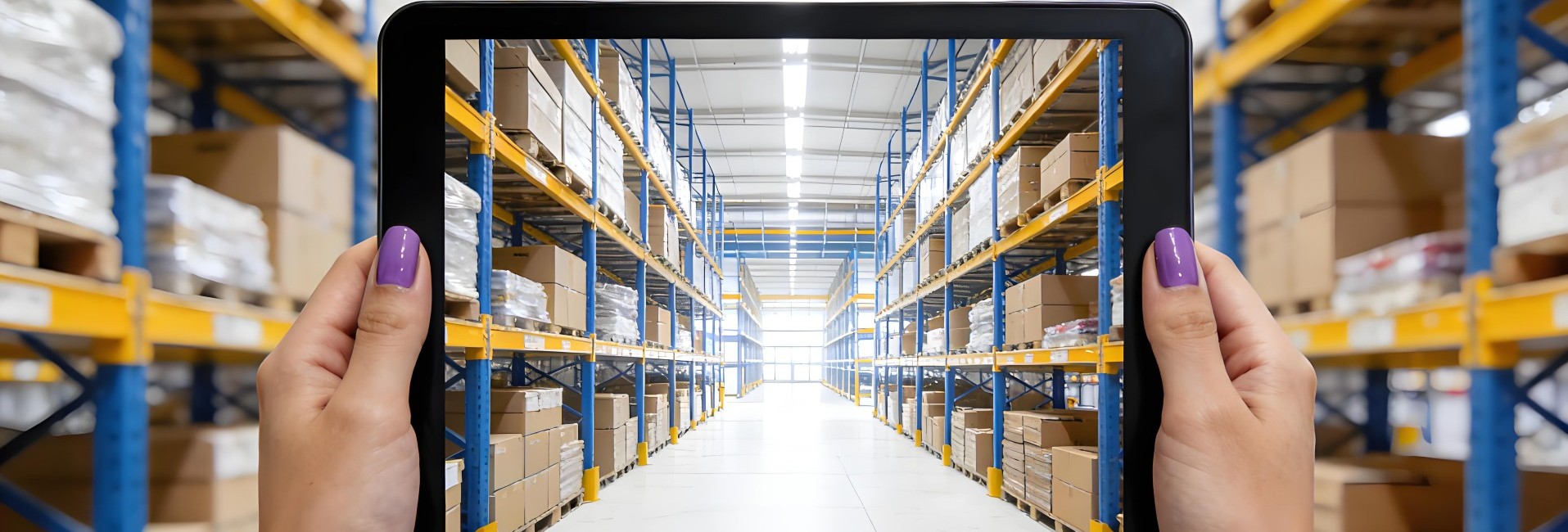
3. Select a Reliable Logistics Provider
Look for a logistics provider with a proven track record in the China - Australia route. Check their customer reviews, years of experience, and the services they offer. A company like [奥飞国际物流] is a good option. They have been in the business for 12 years, focusing on the China - Australia cross - border logistics. They offer a full - service solution, including domestic pick - up, warehouse management, package consolidation, cross - border transportation, Australian customs clearance, and nationwide delivery. Their professional team can handle all aspects of the shipping process, ensuring smooth and efficient delivery.
4. Budget Carefully
When planning your shipping budget, consider all possible costs. Get detailed quotes from logistics providers, including all additional fees. You can also explore different shipping methods to find the most cost - effective option for your goods.
5. Ensure Proper Documentation
Maintain a checklist of all the required documents for each shipment. Double - check and verify the accuracy of the information before submitting the documents. With the help of a professional logistics provider, you can ensure that all the documentation is in order.
IV. FAQ
Q: Can I ship used furniture to Australia in 2026? A: Yes, you can, but there are strict quarantine requirements. The furniture must be clean, free from pests, and in good condition. For example, wooden furniture may need to be treated or fumigated. DAFF may conduct inspections upon arrival, so make sure to disclose all the details about the used furniture when submitting your documentation.Q: How long does it usually take for a shipment from China to Australia? A: It depends on the shipping method. Air freight usually takes around 3 - 7 days, while sea freight can take anywhere from 18 - 35 days. Delays can occur due to weather conditions, customs inspections, or port congestion.
Q: Is it necessary to use a logistics provider? Can't I handle the shipping myself? A: While it's possible to handle the shipping yourself, it's a very complex process, especially with the new regulations in 2026. A professional logistics provider like [奥飞国际物流] has the expertise and experience to deal with customs clearance, documentation, and unexpected issues. They can save you a lot of time and effort and ensure that your goods arrive safely and on time.
Q: What should I do if my shipment is held at customs? A: First, contact your logistics provider immediately. They will have experience in dealing with customs issues and can help you work through the problem. Provide them with all the necessary information and documentation as quickly as possible. It's important to cooperate fully with the customs authorities to resolve the issue as soon as possible.
Q: Are there any restrictions on shipping food products to Australia? A: Yes, there are strict restrictions on shipping food products. Many types of food need to meet specific import conditions, such as having a valid import permit and meeting certain safety and hygiene standards. DAFF conducts thorough inspections of food shipments to prevent the introduction of pests, diseases, and contaminants.
Q: Can I track my shipment? A: Most reliable logistics providers, including [奥飞国际物流], offer a tracking service. You can use the tracking number provided to monitor the progress of your shipment. This way, you can stay informed about its location and estimated arrival time.
In conclusion, by being aware of these common pitfalls and taking the necessary precautions, you can ensure a smooth cross - border shipping experience to Australia in 2026. Always stay proactive and well - informed to avoid unnecessary costs and delays.