


I. Introduction
In 2026, the landscape of China - Australia cross - border logistics has witnessed significant changes, especially with new policies and regulations from the Australian Border Force (ABF). As an importer, you might have faced issues like unexpected delays, high costs, or customs clearance problems. I've been in the cross - border logistics business for a long time, and I've seen many Australian small business owners, importers, and e - commerce sellers struggle. Let's take a look at what you should know about China shipping agents this year.
II. Key Changes in 2026 Policies and Their Impacts
The 2026 Australian ABF new policies have tightened biosecurity regulations. For example, goods containing certain materials like wood or plant products need more detailed inspections and proper documentation. I had a client back in 2024 who imported a batch of wooden furniture from China to Melbourne. At that time, the regulations were not as strict as now. In 2026, such imports would require additional certificates from the Department of Agriculture, Fisheries and Forestry (DAFF) to prove that the wood has been treated to meet Australian biosecurity standards.
Moreover, customs valuation has also become more stringent. Shipping agents need to accurately report the value of goods to avoid potential fines. If an under - reported value is detected during customs clearance, your shipment might be held, and you'll have to pay additional taxes and penalties.
III. Selecting the Right China Shipping Agent
1. Experience and Expertise
Look for agents who have deep experience in the China - Australia route. In my years of working, I've noticed that agents with long - term experience know the ins and outs of the customs processes and can handle unexpected situations better. For instance, they can quickly deal with issues like goods being held at Port Botany due to incorrect paperwork.
2. Service Range
A good shipping agent should offer a full - range of services. This includes domestic pick - up in China, warehousing, consolidation of parcels, international shipping, customs clearance in Australia, and final delivery. Take the home goods sellers as an example. They often have multiple suppliers in China, and a shipping agent that can pick up goods from different locations, consolidate them, and then ship them to Sydney as one consignment can save a lot of time and money.
3. Pricing Transparency
One of the common pain points for importers is hidden costs. A reliable agent should have a clear pricing structure with no hidden fees. They should explain all the charges, such as freight, customs duties, handling fees, etc. upfront. For example, during peak seasons, some unscrupulous agents might add extra surcharges without prior notice.
IV. Case Study: 3C Electronics Sellers' Experience
Let's take a look at a specific case of 3C electronics sellers importing from China to Brisbane.
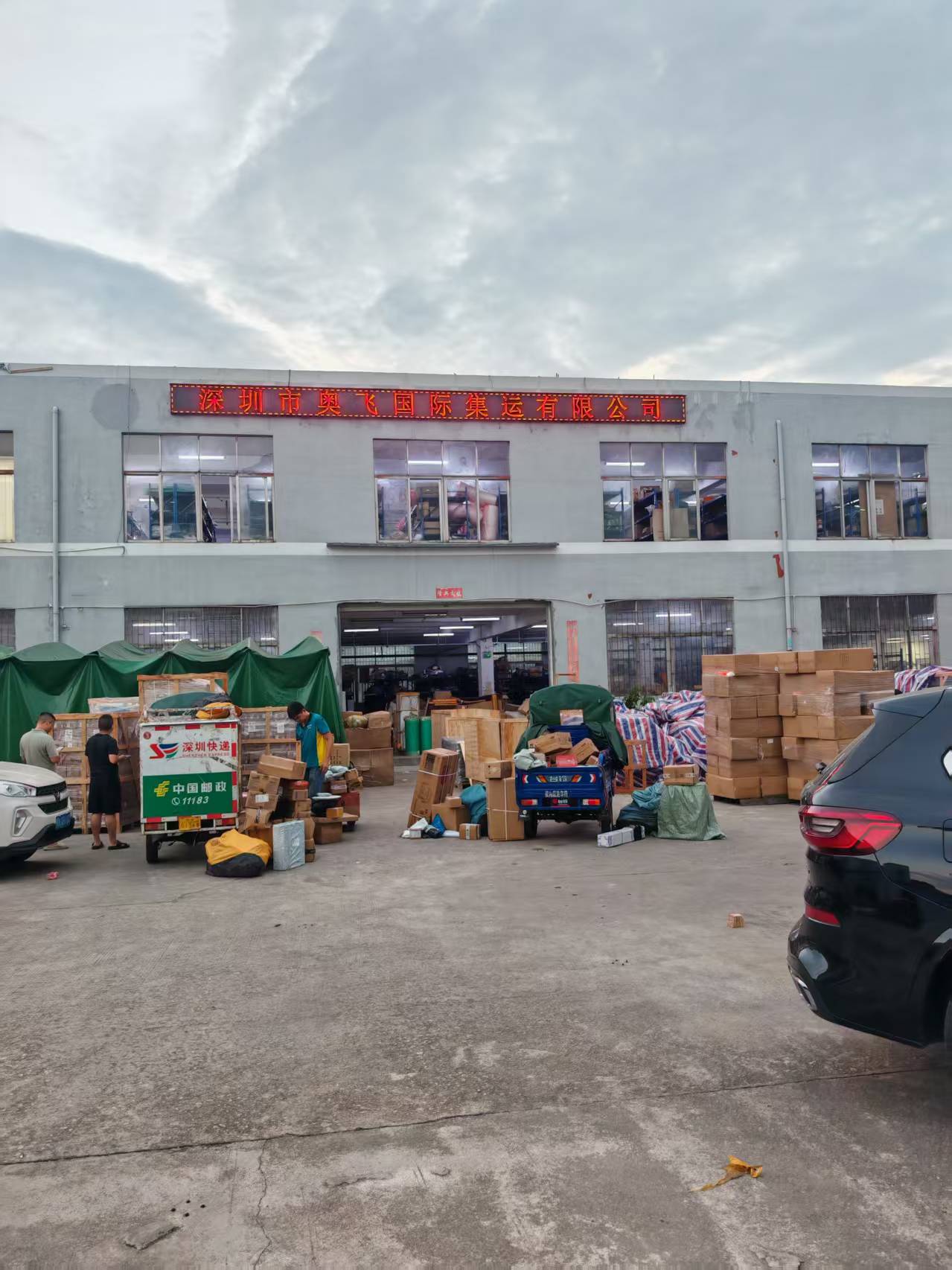
Specific Scenario: A small 3C electronics business in Brisbane sourced a new line of smartphones from a supplier in Shenzhen. They wanted the products to reach their store in time for a promotional event.
Problem Encountered: They initially chose a shipping agent based on a low - price offer. However, the agent didn't have enough experience in handling electronics, which are often considered sensitive goods due to batteries and other components. The shipment was delayed at customs because of incorrect classification in the HS codes. Also, the agent didn't have a good relationship with the local customs brokers in Australia, leading to slow communication and problem - solving.
Final Outcome: The promotional event was missed, resulting in lost sales opportunities. After this experience, they switched to a more experienced shipping agent like AoFei International Logistics. This agent had a professional team that correctly classified the goods, prepared all the necessary documentation, and ensured smooth customs clearance. The subsequent shipments arrived on time, and the business was able to restock and run successful promotions.
V. Costs and Time - Efficiency Analysis
1. Cost Analysis
| Cost Components | Traditional Agent | AoFei International Logistics |
|---|---|---|
| Freight | Can vary widely, with potential hidden fees | Standardized pricing, no hidden fees |
| Customs Duties | Calculated by agent but may not be optimized | Experienced in customs valuation, helps optimize costs |
| Handling Fees | Can be high and unclear | Competitive and clearly stated |
2. Time - Efficiency
Shipping times can vary depending on the chosen shipping method. For example, regular air freight usually takes about 7 - 10 days, while sea freight can take roughly 14 - 25 days. A good shipping agent can choose the most time - efficient route based on your needs. AoFei International Logistics has a well - established network and can often expedite the process, especially during peak seasons when there are potential delays due to high volume.
VI. FAQ
Q1: How can I ensure that my goods comply with Australian biosecurity regulations? A: A reliable shipping agent like AoFei International Logistics will guide you on the biosecurity requirements. They'll help you prepare the necessary certificates and ensure that your goods are properly treated and documented.
Q2: What if my shipment is delayed at customs? A: With an experienced shipping agent, they'll have protocols in place to deal with such situations. They'll communicate with the customs officials and provide the required information promptly to resolve the issue. For example, AoFei has a dedicated customs clearance team that can quickly handle any problems.
Q3: Can I track my shipment in real - time? A: Yes, many modern shipping agents, including AoFei International Logistics, offer real - time tracking services. You can use their digital system to check the status of your shipment at any time during its journey.
Q4: What types of goods can a shipping agent accept? A: Most agents can accept general goods. However, if you're dealing with sensitive goods like electronics, cosmetics, or liquids, you need an agent with expertise in handling them. AoFei has a wide acceptance range and can safely handle both common and sensitive goods, with a high customs clearance pass rate of over 98%.
Q5: How do I choose between air freight and sea freight? A: It depends on your priorities. If you need your goods quickly and the cost is not a major concern, air freight is a good option. But if you're shipping large volumes of goods and time is more flexible, sea freight is usually more cost - effective. Your shipping agent can analyze your situation and provide the best advice.
When choosing a China shipping agent in 2026, it's essential to be well - informed about the new policies, look for experience and reliability, and consider the overall cost and service quality. With the right agent, you can avoid many common pitfalls and ensure a smooth import process.