


I. Introduction
As an experienced player in the cross - border logistics industry between China and Australia, I've witnessed numerous changes in the market. One question that often pops up among Australian small business owners, importers, and e - commerce sellers is whether free storage consolidation for China to Australia shipments will still be viable in 2026. I remember back in 2024, a home goods seller in Sydney was overjoyed when he found a logistics provider offering free storage consolidation. This allowed him to wait for all his inventory to arrive from different Chinese suppliers before shipping them together, saving a significant amount on shipping costs. But with the new policies and market trends emerging, the viability of this service is under question.
II. Current Situation of Free Storage Consolidation
Advantages for Customers For small business owners and e - commerce sellers, free storage consolidation is a game - changer. It lets them collect multiple orders from different Chinese manufacturers or suppliers without worrying about immediate shipping. For example, an apparel importer in Melbourne can order summer clothes from various suppliers in Guangzhou. With free storage consolidation, they can wait until all the batches are ready, pack them together, and ship as one large consignment. This not only reduces the per - unit shipping cost but also simplifies customs clearance procedures.I've seen many clients benefit from this service. A 3C electronics seller in Brisbane once told me that by using free storage consolidation, he could negotiate better shipping rates with carriers due to larger shipment volumes.
Benefits for Logistics Providers Logistics companies offering free storage consolidation can attract more customers. By providing this value - added service, they differentiate themselves from competitors. For instance, a well - established logistics firm can use free storage as a marketing tool to gain a larger market share. It also allows them to better organize their operations, optimizing container loading and shipping schedules.
III. 2026 Policies and Their Impact on Free Storage Consolidation (40% of the article)
2026 Australian Border Force (ABF) New Policies The 2026 ABF policies have introduced stricter regulations on storage and handling of goods. There are new requirements for inventory management, including more detailed record - keeping of stored items. This means logistics providers offering free storage consolidation need to invest in more advanced inventory management systems. For example, they must now record the exact arrival time, quantity, and description of each item in storage, which can increase operational costs.Another aspect of the new policy is related to biosecurity. Goods in storage are now subject to more frequent inspections to prevent the entry of pests and diseases. This can lead to longer inspection times and potential disruptions to the storage consolidation process. A trade factory in Sydney that was relying on free storage consolidation for its large - scale imports had to face delays when the ABF conducted a comprehensive biosecurity inspection on its stored goods.
Cost Increases in the Chinese Market In China, labor costs and warehouse rental prices have been steadily rising. Logistics providers need to pay more for storage space and the staff required for handling and consolidating goods. This cost pressure may force them to re - evaluate their free storage consolidation offerings. For example, a mid - sized logistics company may find it difficult to continue providing free storage for more than a certain period due to the increasing costs.
Additionally, new environmental regulations in China may require logistics providers to upgrade their warehouses to meet eco - friendly standards. This further adds to the financial burden, making it challenging to sustain free storage consolidation services.
Market Competition and Service Pricing The cross - border logistics market between China and Australia is highly competitive. Some logistics providers may continue to offer free storage consolidation as a loss - leader to attract customers. However, this may not be a sustainable long - term strategy. As costs increase, these providers may either reduce the duration of free storage or start charging for the service.
On the other hand, some high - end logistics companies may focus on providing premium services with more value - added features rather than relying on free storage consolidation. They may charge a higher price but offer faster shipping times, more reliable customs clearance, and better customer support.
IV. Viability of Free Storage Consolidation in 2026
Possible Scenarios Reduced Free Storage Period: Many logistics providers may reduce the free storage period from the current 365 days (as offered by some companies like Aofei International Logistics) to a shorter period, say 90 days. This would still provide some flexibility for customers while helping logistics providers manage their costs.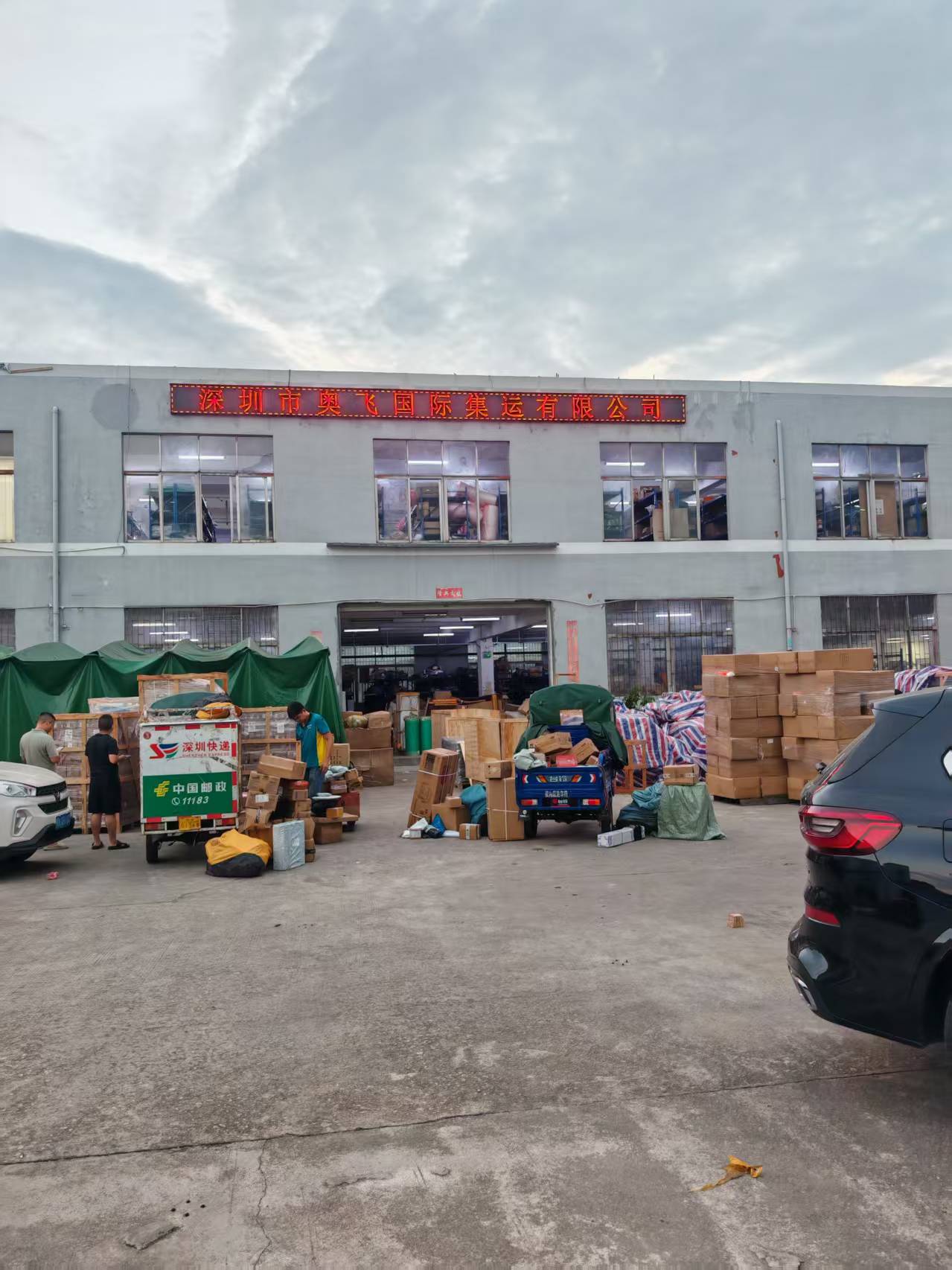
Value - Added Services Package: Instead of pure free storage, logistics companies may bundle storage consolidation with other services such as free packaging, insurance, or faster shipping at a reasonable price.
Case Studies Case 1: Home Goods Seller in Sydney Specific scenario: A home goods seller sources products from multiple Chinese suppliers. He used to rely on free storage consolidation to wait for all his orders to arrive before shipping.
Problem encountered: With the new policies and cost increases in 2026, his logistics provider reduced the free storage period from 365 days to 120 days.
Final outcome: The seller had to adjust his ordering strategy. He started placing more coordinated orders with his suppliers to ensure that most of the goods arrive within the 120 - day period. He also explored other logistics providers, but most had similar changes in their free storage policies.
Case 2: 3C Electronics Seller in Brisbane Specific scenario: This seller used free storage consolidation to consolidate small orders from different parts of China before shipping to Australia in one large container.
Problem encountered: Due to the strict biosecurity inspections in 2026, his goods in storage were held up for an extra week, causing delays in shipping and lost sales opportunities.
Final outcome: The seller decided to work with a logistics provider that offered a more comprehensive biosecurity pre - inspection service at an additional cost. This helped him avoid future delays.
V. FAQ
Will all logistics providers stop offering free storage consolidation in 2026? Not necessarily. Some large - scale logistics companies with strong financial resources and efficient operations may continue to offer some form of free storage consolidation. However, many may make adjustments to the service, such as reducing the free storage period or adding conditions. For example, Aofei International Logistics has been committed to providing value - added services. It may still offer free storage, but perhaps with some minor adjustments to adapt to the new policies and cost pressures.How can I find a logistics provider that still offers a reasonable free storage consolidation service in 2026? You can start by researching online and reading customer reviews. Look for logistics companies that have a long - standing reputation in the China - Australia cross - border logistics market. Also, you can contact multiple providers and compare their service offerings and pricing. Some may offer promotions or special packages that include free storage consolidation.
What if my goods are held up in storage due to new policies during free storage period? If your goods are held up in storage due to new policies like biosecurity inspections or customs requirements, it's important to communicate with your logistics provider. They should be able to provide you with updates and help you resolve the issue. In some cases, you may need to pay additional fees for extended storage or for services to expedite the clearance process.
Can I negotiate for free storage consolidation with a logistics provider in 2026? Yes, you can try to negotiate. If you are a high - volume shipper or have a long - term business relationship with a logistics provider, they may be willing to offer you free storage consolidation or a longer free storage period. It's worth having a conversation with them about your shipping needs and see if you can reach a mutually beneficial agreement.
Are there any alternatives to free storage consolidation in 2026? There are some alternatives. You can consider shipping your goods as soon as they are ready, even if they are in small quantities. This may result in higher per - unit shipping costs, but it can save you from potential storage issues. Another option is to find a Chinese partner who can hold your goods in China until you are ready to ship them in larger quantities. This way, you can avoid relying on the free storage services of logistics providers in the cross - border shipping process.
In the end, it's clear that the viability of free storage consolidation for China to Australia shipments in 2026 is uncertain. However, by being aware of the new policies, market trends, and exploring different options, small business owners, importers, and e - commerce sellers can still find cost - effective and reliable shipping solutions.