


I. Introduction
Hey there, Australian e - commerce sellers! In 2026, shipping goods to China might seem like a piece of cake, but it's actually full of hidden pitfalls. I've been in the cross - border logistics game for a while, and I've seen firsthand how these issues can derail a business. So, let's dive into what you really need to know.
II. New Policies and Regulations
The Australian Border Force (ABF) and relevant Chinese authorities have rolled out new policies this year. For example, there are stricter rules on food and beverage imports. The ABF has tightened its bio - security checks to prevent the entry of pests and diseases, and Chinese customs requires more detailed documentation for these products.
A client of mine, a home goods seller in Sydney, wanted to ship some bamboo - made homeware to China. He didn't know that bamboo products need special phytosanitary certificates. As a result, his shipment was held up at the Chinese port for roughly 14 days. After getting the right certificates, the goods finally reached their destination, but it cost him extra storage fees and caused a delay in his sales cycle.
III. Shipping Channels Analysis
Air Freight
Advantages: It's fast. You can get your goods to China in about 3 - 5 days. This is great for high - value, low - volume items like 3C electronics.Limitations: It's expensive. The cost per kilogram can be 3 - 5 times higher than sea freight. And there are weight and size restrictions.
Sea Freight
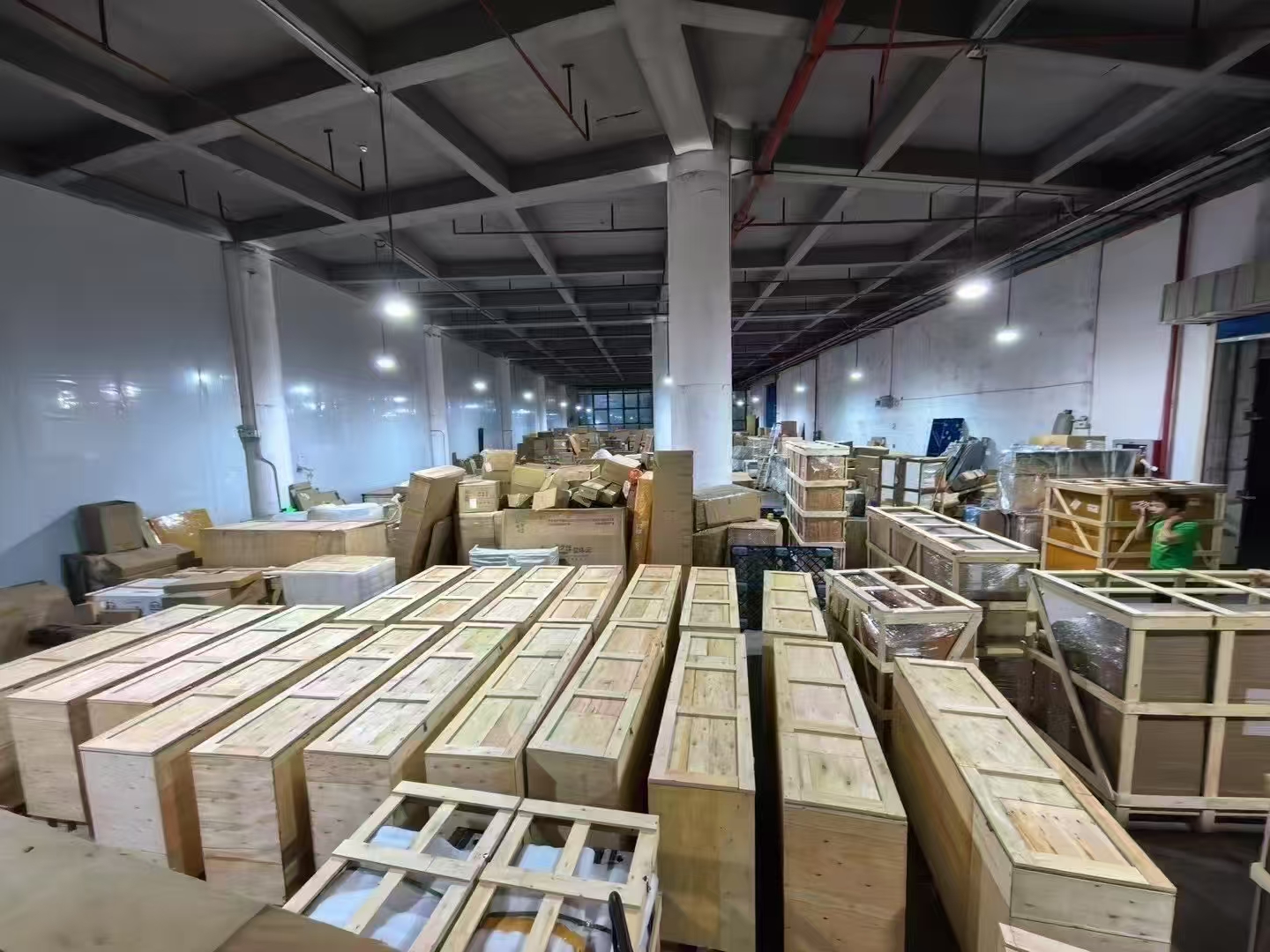
Limitations: It's slow. A typical sea freight journey from Australian ports like the Port of Melbourne to Chinese ports can take around 20 - 30 days. There's also a higher risk of delays due to factors like bad weather and port congestion.
Let me tell you about a 3C electronics seller from Brisbane. He had a new product launch in China and decided to use air freight for the initial batch to ensure a timely arrival. The cost was high, but he managed to capture the market early. For subsequent large - scale shipments, he switched to sea freight to cut costs.
IV. Key Documentation
Commercial Invoice: It should include details like the description of goods, value, quantity, and terms of trade (INCOTERMS 2020). For example, if you're using DDP (Delivered Duty Paid), the invoice needs to clearly state this.Packing List: This lists all the items in each package, their weights, and dimensions. It helps customs officials quickly assess the goods.
Bill of Lading (for sea freight) or Air Waybill (for air freight): These are essential documents for the transfer of goods. They act as a receipt and a contract of carriage.
I remember once an apparel importer in Sydney didn't fill out the commercial invoice correctly. The value of the goods was under - stated, which led to issues with Chinese customs. They had to re - submit the correct invoice, and the shipment was delayed for an extra 7 days.
V. Cost Breakdown
Shipping Costs: As mentioned earlier, air freight is more expensive than sea freight. The cost also depends on the weight, volume, and destination in China.Customs Duties and Taxes: China has a complex tariff system. The HS codes of your goods determine the tax rates. You need to accurately classify your products to avoid over - or under - paying taxes.
Handling and Storage Fees: If your goods are held up at the port or airport, you'll incur storage fees. And there are also handling fees for loading and unloading.
A trade factory in Melbourne once shipped a large quantity of machinery parts to China. They miscalculated the customs duties and ended up paying a hefty fine. Plus, the goods were stored at the port for an extra week due to the paperwork issues, resulting in additional storage fees.
VI. FAQ
Q: How can I ensure my goods clear Chinese customs smoothly? A: Well, make sure you have all the correct documentation. Classify your goods accurately using the HS codes. And stay updated on the latest policies. I've seen many sellers run into trouble because they weren't aware of the new regulations.
Q: What if my goods are damaged during transit? A: First, make sure you have insurance. Reputable logistics providers like [奥飞国际物流] usually offer insurance options. When you notice damage, document it immediately. Then, contact your logistics provider and the insurance company to start the claim process.
Q: Can I ship sensitive goods to China? A: Some sensitive goods can be shipped, but it's more complicated. For example, electronic products with batteries or certain types of cosmetics need special clearance. You need to work with a logistics provider that has experience in handling such goods. 奥飞国际物流 has a good track record in dealing with sensitive goods, with a high clearance rate.
Q: How do I choose between air and sea freight? A: It depends on your needs. If you need your goods to arrive quickly and you're not too worried about cost, go for air freight. But if you're shipping in bulk and time isn't a critical factor, sea freight is the way to go. Consider the nature of your products, the market demand, and your budget.
Q: Are there any specific packaging requirements for shipping to China? A: Yes, there are. Your goods need to be well - packed to withstand the long - distance journey. For fragile items, use extra padding. And make sure the labels on the packages are clear, including the destination address and contact information.
As you plan your shipments to China in 2026, keep these points in mind. It might seem overwhelming at first, but with the right knowledge and a reliable logistics partner, you can make your cross - border business a success.