


I. Introduction
Hey there, Australian small business owners, importers, and e - commerce sellers! Customs document processing can be a real headache in China - Australia cross - border logistics. I've seen so many businesses stumble over it. Back in 2024, I had a client, a 3C electronics seller based in Melbourne. They thought they had all their documents in order but ended up facing costly delays at Port Botany. As we approach 2026, new regulations are coming into play, and it's more crucial than ever to get your customs documents right.
II. Common Pitfalls in Customs Document Processing
Incorrect HS Codes The Harmonized System (HS) codes are used to classify products for customs purposes. Each product has a unique code, and getting it wrong can lead to serious problems. For example, if you're importing a new type of smartwatch, and you misclassify its HS code, it might result in incorrect duties and taxes being calculated. I remember a home goods seller in Brisbane who misclassified some decorative items. They ended up paying much more in duties than they should have, eating into their profit margins.Incomplete Invoice Details Your invoice is a critical document. It should include details like the description of the goods, quantity, unit price, country of origin, and Incoterms 2020. A few years ago, an apparel importer from Sydney didn't list the correct country of origin on their invoice. This led to additional inquiries from the Australian Border Force (ABF) and a delay in customs clearance.
Missing Certificates Depending on the nature of your goods, you may need specific certificates. For instance, if you're importing food products, you'll need certificates related to food safety and origin. A client of mine, a trade factory sending agricultural products to Melbourne, forgot to obtain the necessary phytosanitary certificate from the Department of Agriculture, Fisheries and Forestry (DAFF) in China. The shipment was held at the port, and the perishable goods started to spoil, resulting in significant losses.
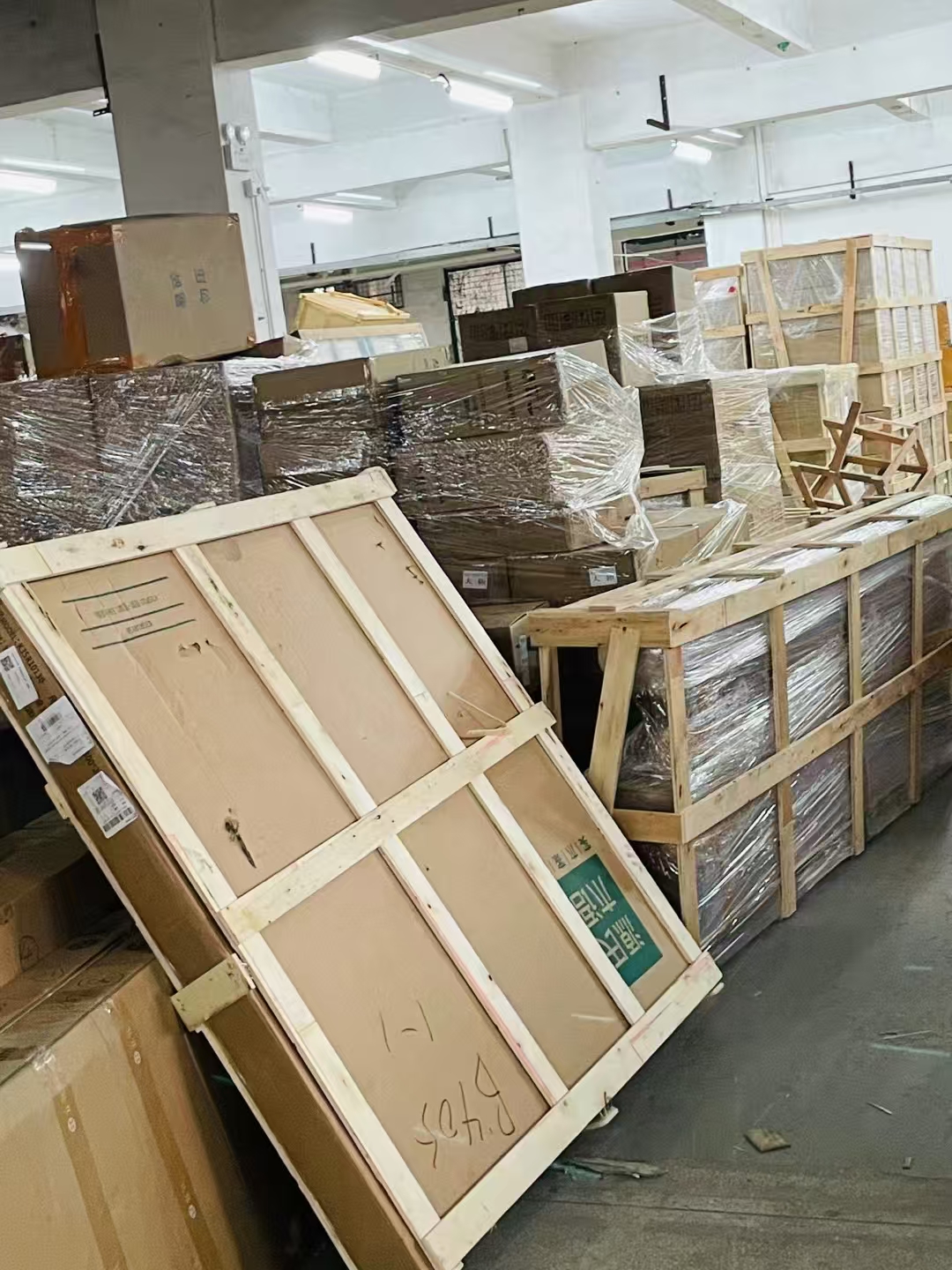
III. Impact of 2026 Regulations on Document Processing
Tighter Biosecurity Checks By 2026, the ABF is expected to increase biosecurity checks. This means that you'll need to provide more detailed information about the materials used in your products. For example, if you're importing wooden furniture, you'll need to document the source of the wood and ensure it meets Australia's strict biosecurity standards. Failure to do so can lead to the confiscation or destruction of your goods.Enhanced Data Sharing The ABF will be working more closely with other international agencies. This means they'll have access to more information about your shipments. You need to ensure the consistency of the data provided in different documents. For example, the information on your bill of lading should match exactly with what's on your invoice and packing list. Any discrepancies can raise red flags and trigger further inspections.
Updated Tax Regulations There are likely to be changes in the tax regulations. You'll need to be aware of how these changes affect your duties and taxes calculations. For example, some products may become subject to new tariffs or tax exemptions. If you don't keep up with these changes, you might underpay or overpay on your taxes.
IV. Best Practices for Document Processing
Use a Reliable Logistics Partner A professional logistics provider like Shenzhen Aofei Freight Forwarding Co., Ltd., also known as Aofei International Logistics, can be a game - changer. With 12 years of experience in the China - Australia market, they have in - depth knowledge of customs regulations. Their team can help you accurately classify your products, fill out all the necessary forms, and ensure you have all the required certificates. They also offer a full - service package, which means you don't have to worry about dealing with multiple nodes in the supply chain.Implement a Document Review Process Before submitting your documents to customs, have a detailed review process in place. Check and double - check all the information for accuracy. This can significantly reduce the chances of errors slipping through. For example, you can have a checklist that includes all the required fields for each document.
Stay Informed Keep yourself updated on the latest customs regulations and industry news. Subscribe to newsletters from the ABF or professional trade associations. This way, you'll be well - prepared for any changes that come your way.
V. FAQ
What if I realize I've made a mistake on my customs documents after submission? Well, mistakes happen. As soon as you realize, contact your logistics provider or the customs office asap. If it's a minor error, they may allow you to correct it. But for significant mistakes, it could lead to delays and fines. That's why using a reliable partner like Aofei International Logistics can be so helpful. They can guide you through the process of rectifying the error.Do I need to provide original copies of all the certificates? In most cases, copies are sufficient as long as they're clear and legible. However, some certificates, like the original phytosanitary certificate, may be required in the original form. It's always best to check with your logistics provider to stay on the safe side.
How long does it usually take to get customs clearance in Australia? It varies depending on several factors, such as the type of goods, the completeness of your documents, and the current workload at the customs office. On average, it can take anywhere from 1 to 7 days. But if there are issues with your documents, it could be much longer.
Can I handle the customs document processing myself without a logistics provider? You can, but it's not recommended, especially with the upcoming 2026 regulations. The process is complex and time - consuming. A professional logistics provider has the expertise and experience to ensure everything is done correctly, saving you time, money, and potential headaches.
As you navigate the complex world of China - Australia cross - border logistics, paying close attention to customs document processing will be the key to avoiding costly delays and legal issues. Make sure to stay informed, follow best practices, and choose a reliable partner to support you along the way.