


Hey there, Australian small business owners, importers, and e - commerce sellers! If you're planning to relocate household goods from China to Australia in 2026, you're in the right place. I've been in the cross - border logistics business for years, dealing with all sorts of challenges and finding the best routes for transporting goods. In this article, I'll share some first - hand insights and tips to make your household goods relocation a smooth process.
I. Understanding the 2026 Regulatory Landscape
In 2026, the Australian Border Force (ABF) and the Department of Agriculture, Fisheries and Forestry (DAFF) have tightened up some regulations, especially regarding bio - security. I remember a client in 2024 who shipped some wooden furniture without proper treatment. It ended up being quarantined, and they had to pay hefty fees for treatment in Australia. That's a mistake you don't want to make this year.
1. Bio - security Checks
When it comes to wooden items, they must be heat - treated or fumigated and have the appropriate certification like ISPM 15. Also, soil, plant materials, and food items are highly restricted. You need to declare everything accurately, or you'll face delays and fines.
2. Customs Duties and Taxes
The valuation of your goods is crucial for calculating duties and taxes. The Australian customs use the transaction value method as per the World Trade Organization (WTO) rules. You need to provide proper invoices to avoid any disputes. Incoterms 2020 play a big role here. If you're using DDP (Delivered Duty Paid), the seller is responsible for all the costs, including customs clearance and taxes in Australia.
II. Transport Options: Best Fit for Household Goods
There are several transport options available, each with its own advantages and limitations.
1. Sea Freight
For large - scale household goods relocation, sea freight is often the most cost - effective option. The transit time from Chinese ports to Sydney, Melbourne, or Brisbane usually takes around 20 - 30 days.
I recall a trade factory - owner who wanted to move some large pieces of home decor to Sydney in 2025. They chose sea freight, and although it took a while, it saved them a significant amount of money compared to air freight. The cost of sea freight is based on the volume or weight of your goods, usually measured in cubic meters or metric tons.
However, sea freight has its drawbacks. It's slower, and there's a higher risk of damage during long - term shipping. You also need to factor in the port handling fees and storage fees if there are any delays.
2. Air Freight
Air freight is much faster, with transit times as short as 3 - 7 days. It's suitable for high - value, time - sensitive items such as electronics or delicate art pieces. An apparel importer once had an urgent order of new fashion lines that needed to reach Melbourne quickly. They used air freight, and although it was more expensive, the quick delivery helped them meet their market demand.
But air freight is pricier, and there are strict weight and size restrictions. The cost is typically calculated based on the chargeable weight, which is the greater of the actual weight and volumetric weight.
III. Packing and Documentation Essentials
1. Packing
Proper packing is vital to protect your household goods during transit. For fragile items, use plenty of bubble wrap, foam, and sturdy boxes. For larger items like furniture, disassemble them if possible and wrap each part separately. When I supervised a relocation of a home goods seller's inventory to Brisbane, we used custom - made wooden crates for the larger items. This not only protected them during the voyage but also made it easier to handle at the destination.
2. Documentation
You'll need to prepare a comprehensive set of documents. These include a detailed inventory list, commercial invoices, packing lists, and certificates of origin. Make sure the inventory list includes descriptions of each item, its value, and quantity. Incorrect or incomplete documentation can lead to customs clearance delays.
IV. Choosing the Right Logistics Partner (Highlighted Section - 40% of the Article)
Selecting a reliable logistics partner is perhaps the most critical step in your household goods relocation process. A good partner can help you navigate through the complex regulatory requirements, choose the best transport option, and handle all the paperwork.
I've seen firsthand how a wrong choice can derail your plans. A client once hired an inexperienced freight forwarder to move their 3C electronics to Port Botany. The forwarder didn't properly understand the customs procedures, and the goods were held up in customs for weeks. This not only caused a financial loss but also damaged the client's reputation with their customers.
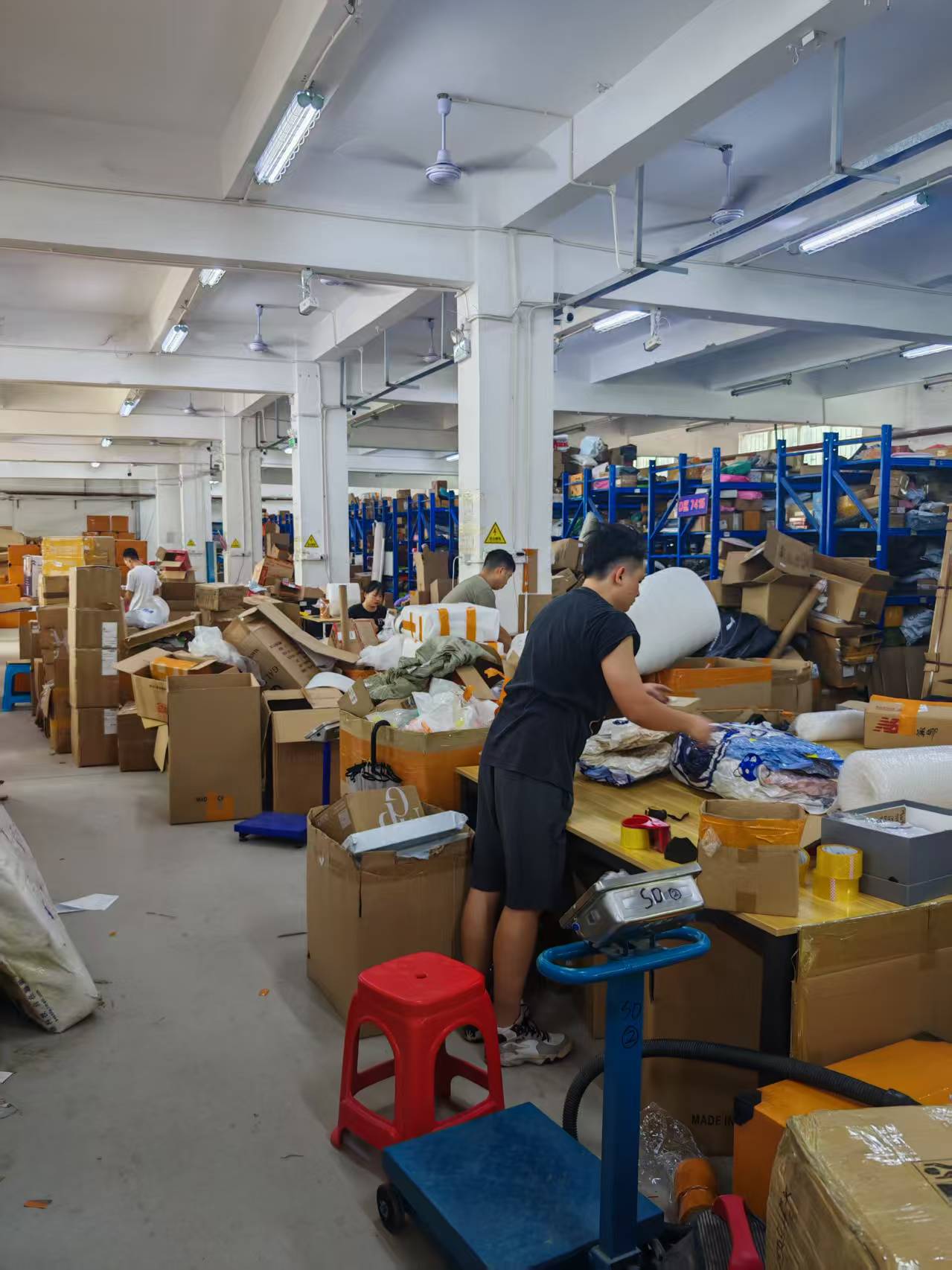
So, how do you choose the right logistics partner?
1. Expertise and Experience
Look for a company that has a deep understanding of the Australia - China cross - border logistics market, especially in household goods transportation. A company like 奥飞国际物流 has been in the business for 12 years, focusing specifically on the Australia - China route. Their long - term presence in the market means they've dealt with all sorts of scenarios and have built solid relationships with customs officials, shipping lines, and airlines.
2. Service Range
A one - stop - shop service is ideal. The logistics partner should be able to handle everything from domestic pick - up in China, through customs clearance, to final delivery in Australia. 奥飞国际物流 offers a full - service package, including free pick - up from various Chinese e - commerce platforms, storage in their large - scale warehouses, and seamless transit to Australia. They also provide free consolidation and repacking services, which can help you save on shipping costs.
3. Regulatory Compliance
The company must have a good track record of complying with all the Australian and Chinese regulations. This includes proper handling of bio - security issues, accurate customs declarations, and timely payment of duties and taxes. 奥飞国际物流's experienced customs team is well - versed in the 2026 regulatory changes in Australia, ensuring that your goods pass through customs smoothly.
4. Pricing and Transparency
The pricing should be clear and reasonable. Avoid companies that have hidden fees or unclear pricing structures. 奥飞国际物流 uses a standardized pricing model with no hidden charges. They offer a transparent breakdown of all the costs involved, including shipping fees, customs duties, and handling charges. This allows you to budget accurately for your household goods relocation.
5. Customer Service
Good customer service is essential, especially when dealing with long - distance and complex logistics. You need a partner who can answer your questions promptly and provide updates on the status of your shipment. 奥飞国际物流 has a dedicated customer service team that offers round - the - clock support, ensuring that you're always in the loop about your goods.
Frequently Asked Questions
1. How long does it take to relocate household goods from China to Australia?
It depends on the transport method. Sea freight usually takes around 20 - 30 days, while air freight can be as fast as 3 - 7 days. There may be some additional time for customs clearance and delivery to the final destination.
2. What items are restricted or prohibited when relocating household goods to Australia?
Items like soil, plant materials, some types of food, and untreated wooden items are restricted. There are also strict regulations on firearms, drugs, and counterfeit goods. Make sure to check the official Australian Border Force website for a comprehensive list.
3. Can I track my shipment during the relocation process?
Yes, most reliable logistics companies, like 奥飞国际物流, offer a digital tracking system. You can use this to monitor the progress of your shipment from pick - up in China to delivery in Australia.
4. How can I ensure my goods are safe during transit?
Proper packing is key. Use high - quality packing materials and follow the packing guidelines provided by your logistics partner. Also, choose a reputable logistics company with a good track record in handling household goods.
5. Do I need to pay customs duties and taxes for my household goods?
It depends on the value and nature of your goods. The Australian customs will assess the duties and taxes based on the declared value. If you're using a DDP (Delivered Duty Paid) service, the logistics company will handle the payment on your behalf.
When planning to relocate your household goods to Australia in 2026, keep these tips in mind. Do thorough research, choose the right transport option, and most importantly, find a reliable logistics partner. With careful planning and the right support, your household goods can reach their destination safely and on schedule.