


Introduction
Doing business in the Australia-China trade lane can be lucrative, but it's fraught with potential pitfalls, especially when it comes to bulk parcel consolidation. I've seen my fair share of businesses run into trouble over the years. Back in 2024, I had a client, a home goods seller in Sydney. They thought they had everything sorted for their bulk shipment from China, but they ended up facing a mountain of issues. In 2026, new regulations and changes in the market make it even more crucial to steer clear of common mistakes.
I. Understanding New Australian Regulations in 2026
The Australian Border Force (ABF) and the Department of Agriculture, Fisheries and Forestry (DAFF) have introduced several significant changes in 2026. One of the most notable is the stricter bio-security measures. For instance, all wooden products must be properly treated and stamped to prove they're free from pests. A 3C electronics seller I worked with last month had a shipment of wooden packaging for their devices delayed at Port Botany. The packaging lacked the necessary treatment stamps, and it took almost two weeks to get the situation sorted, even after additional inspections and fees.
Moreover, the ABF has tightened the rules on the valuation of goods for customs purposes. They're now more vigilant about ensuring that the declared value of goods accurately reflects their market worth. Underestimating the value to save on duties is a big no-no. I've seen businesses face hefty fines and even have their shipments seized for such discrepancies.
II. Incorrect Parcel Labeling and Documentation
1. Importance of Accurate Labeling
Labeling might seem like a minor detail, but it can have major consequences. Each parcel in a bulk shipment must be clearly labeled with the correct recipient details, including the full address, contact number, and a proper description of the contents. I once had an apparel importer in Melbourne whose shipment was held up because the labels were smudged and unreadable. The couriers couldn't deliver the parcels, and it took a lot of time and effort to sort out the mess.
2. Complete Documentation
Documentation is the backbone of any international shipment. You need to provide a detailed commercial invoice, packing list, and any necessary certificates. In 2026, the ABF has introduced a new requirement for a detailed origin declaration for certain types of goods. A trade factory exporting machinery to Brisbane didn't include this document with their shipment. As a result, their goods were stuck in customs for over a week, incurring significant storage fees.
III. Choosing the Wrong Logistics Provider
1. Reputation and Experience
Selecting a reliable logistics provider is crucial. You don't want to end up with a company that cuts corners or has a history of poor service. A lot of businesses make the mistake of going for the cheapest option without considering the provider's reputation. I had a home goods seller who chose a low-cost logistics company for their bulk shipment. The company turned out to be inexperienced in dealing with large volumes, and the shipment was delayed by several weeks.
2. Services and Capabilities
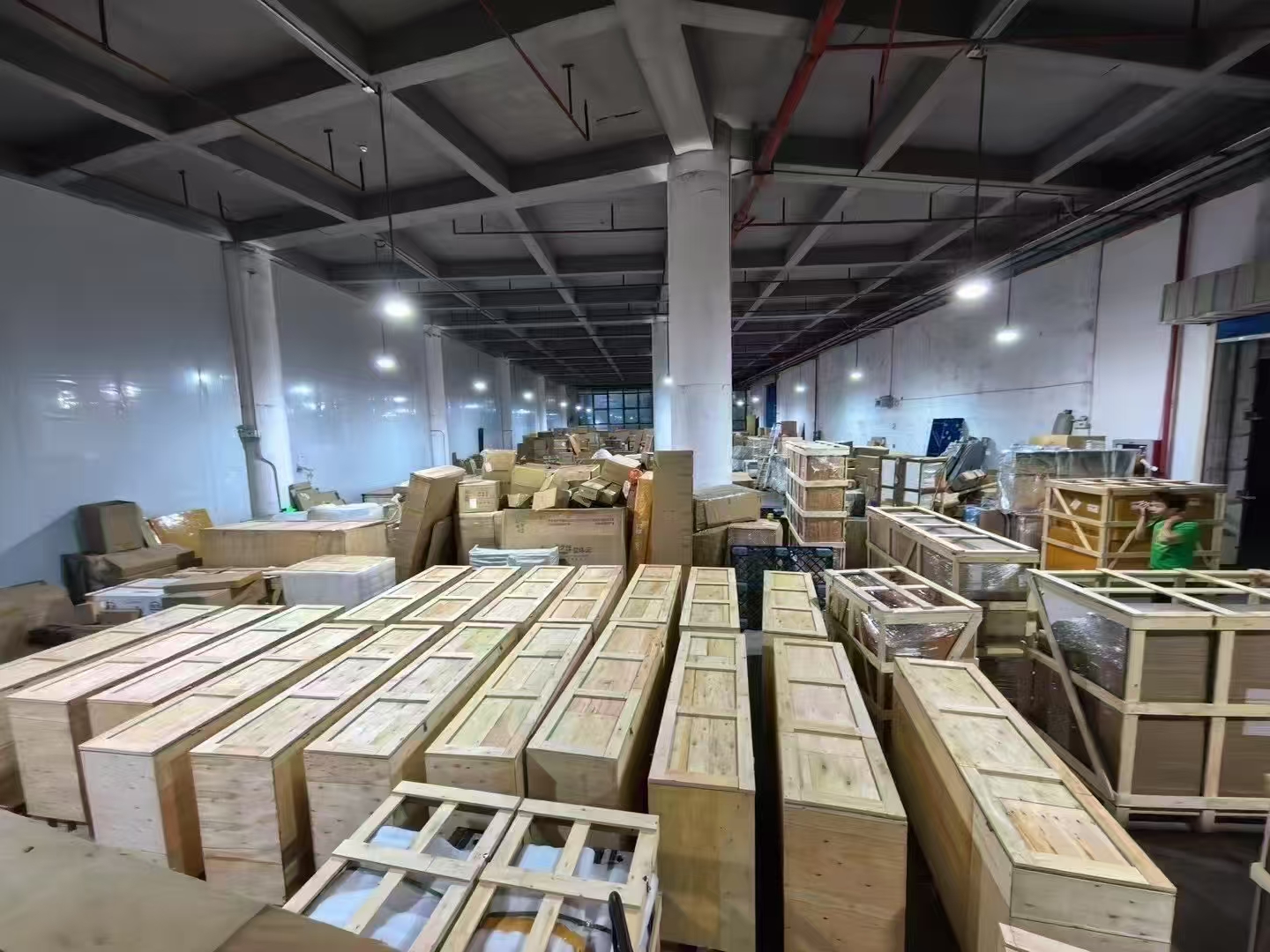
Different logistics providers offer different services. Some might specialize in express shipping, while others are better at handling large, bulky items. Make sure the provider you choose can meet your specific needs. For example, if you're shipping oversized items, you'll need a company with experience in handling such goods. A trade factory shipping large machinery to Sydney once used a provider that didn't have the proper equipment to handle the size and weight of the cargo. This led to damage to some of the goods during transit.
IV. Poor Packaging and Handling
1. Inadequate Packaging
Proper packaging is essential to protect your goods during transit. In 2026, with the new regulations and the long journey from China to Australia, sub - standard packaging can lead to rejected shipments. I worked with a 3C electronics seller whose products were damaged in transit because the packaging was too flimsy. The insurance claim process was complicated, and they lost a significant amount of money.
2. Mishandling by Couriers
Even with good packaging, your goods can still be damaged if the courier company doesn't handle them properly. Some courier services are known for rough handling of packages. A home goods seller in Brisbane once had a shipment of fragile glassware arrive broken because the courier didn't take proper care during transportation.
V. FAQ
Q1: How can I ensure my parcel complies with the new 2026 bio - security regulations? A: It's best to work with a knowledgeable logistics provider. They can guide you on the proper treatment and documentation for your goods. For example, if you're shipping wooden products, they can help you get the necessary treatment and stamps. Also, make sure to do thorough research on the DAFF's official website for the latest requirements.
Q2: What should I do if my labels are incorrect or smudged? A: If you notice the issue before the shipment leaves China, you should immediately correct the labels. If it's already in transit, contact your logistics provider as soon as possible. They can try to arrange for the labels to be corrected at the destination or work with the local authorities to ensure the delivery process can still go smoothly.
Q3: How can I choose a reliable logistics provider? A: Check their reviews and reputation in the market. Ask for references from other businesses in your industry. Also, look at their experience in handling your type of goods and the services they offer. You can also compare their prices, but don't just go for the cheapest option. At [奥飞国际物流], we've been in the business for 12 years, and we have the expertise and resources to handle your bulk shipments efficiently.
Q4: What if my goods are damaged in transit? A: First, check if you have insurance for your shipment. Most logistics providers offer insurance options. If you do, file a claim as soon as possible. Provide all the necessary documentation, such as photos of the damage and the original invoice and packing list. It's also a good idea to work with a logistics provider that has a good after - sales service and a clear claims process. At [奥飞国际物流], we have a comprehensive insurance policy and a hassle - free claims process to ensure you're compensated for your losses.
As you plan your bulk parcel consolidation from China to Australia in 2026, keep these potential pitfalls in mind. By being well - informed and taking the necessary precautions, you can ensure a smooth and successful shipping process.