


I. Introduction
Shipping full container load (FCL) from China to Australia can be a complex process, especially with the upcoming 2026 Australian Border Force (ABF) new policies. I've seen many Australian small business owners, importers, and e - commerce sellers run into issues. Let me share some common pitfalls and how to avoid them based on my years of hands - on experience in cross - border logistics.
II. Common Mistakes and How to Dodge Them
1. Incorrect Documentation
One of the most frequent problems is incorrect or incomplete documentation. I remember a client in 2024, an apparel importer in Sydney. They shipped a full container of clothes but didn't properly fill out the HS codes on the customs declaration form. The container was held at Port Botany for about 14 days, causing a delay in restocking their stores and incurring extra storage fees of around AU$3,400. To avoid this, make sure you understand the HS code system. Each product has a specific code that determines its duty rate and tax requirements. It's also essential to include accurate information about the quantity, value, and origin of the goods. Double - check all documents before submitting them to your freight forwarder or customs broker.
2. Ignoring Biosecurity Regulations
The Department of Agriculture, Fisheries and Forestry (DAFF) has strict biosecurity regulations in Australia. I once dealt with a home goods seller in Melbourne. They imported furniture made of wooden materials without proper treatment or certification. The container was quarantined at the Port of Melbourne, and the goods had to be treated at their expense, which cost them an additional AU$2,100 and delayed the delivery by roughly 10 days. To comply with biosecurity regulations, determine if your goods are subject to inspection. Items like wooden products, plant - based materials, and some food items need appropriate treatment and certification. You can work with your supplier in China to ensure the goods meet Australian standards before shipping.
3. Improper Container Loading
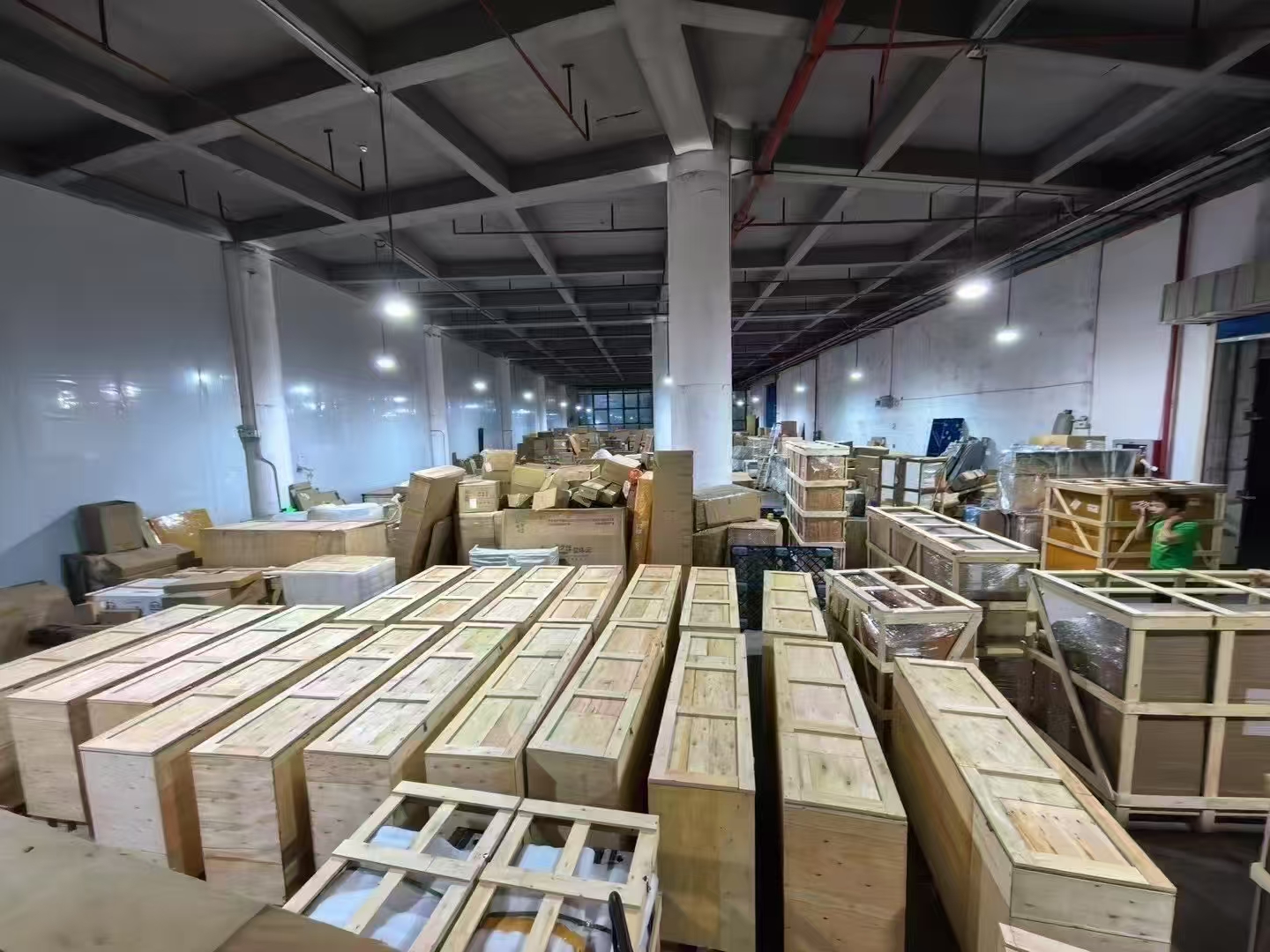
Improper container loading can lead to damage during transit. A 3C electronics seller in Brisbane shipped a container full of fragile electronic devices. The goods were not packed and secured properly, and many of the items arrived damaged. The seller had to bear the cost of the damaged goods, which was around AU$5,600. To load a container correctly, use appropriate packing materials like bubble wrap and foam for fragile items. Ensure the weight is evenly distributed to prevent shifting during transportation. Stack the goods in a stable manner and use pallets if necessary.
4. Inadequate Insurance
Some importers underestimate the importance of insurance. I've seen importers lose thousands of dollars when a container is lost or damaged at sea. Without insurance, they have to bear the full financial loss. Make sure you have adequate insurance coverage for your goods. Consider the value of the goods, the mode of transportation, and the potential risks. You can work with your freight forwarder to choose the right insurance policy.
III. 2026 Policy Changes and Their Impact
The 2026 ABF new policies are expected to bring more strict regulations on customs clearance. For example, there may be more detailed requirements for real - time data sharing between the exporter, freight forwarder, and the ABF. This means you'll need to be more organized and timely in providing accurate information. Also, there could be enhanced inspection procedures for certain goods, especially those related to health and safety. As a result, the clearance time may increase slightly, so it's crucial to plan your shipping schedule in advance.
IV. Choosing the Right Logistics Partner
Selecting a reliable logistics partner is key to a smooth FCL shipping process. A professional logistics company like [Aofei International Logistics] can help you navigate through the complex regulations and procedures. They have 12 years of experience in the China - Australia cross - border logistics field, which gives them an edge in handling customs clearance, ensuring compliance with biosecurity regulations, and managing the entire shipping process. They offer a full - service, door - to - door solution, including pick - up in China, storage, packing, shipping, and delivery in Australia.
V. FAQ
Q: How much does it cost to ship a full container from China to Australia? A: Well, the cost depends on several factors such as the size of the container, the type of goods, the shipping route, and the time of the year. Generally, a 20 - foot container can cost anywhere from AU$1,500 to AU$3,500, and a 40 - foot container can cost between AU$2,500 and AU$5,000. But these are just estimates, and you should get a quote from a logistics provider for an accurate price.Q: How long does it take to ship a full container from China to Australia? A: It usually takes around 18 - 25 days for a sea freight shipment from a major Chinese port to an Australian port. However, this can vary depending on factors like shipping schedules, customs clearance time, and any unforeseen delays.
Q: Can I ship sensitive goods like cosmetics or liquids in a full container? A: Yes, you can. But you need to work with a logistics provider that has experience in handling sensitive goods. For example, [Aofei International Logistics] can handle cosmetics, liquids, and other sensitive goods. They have a high clearance rate of over 98% for such goods because they know how to comply with the relevant regulations.
Q: What should I do if my container is held at customs? A: First, don't panic. Contact your logistics provider immediately. They'll be able to find out the reason for the hold. It could be due to incorrect documentation, biosecurity issues, or other reasons. Your logistics provider can then work with the customs officials to resolve the issue as quickly as possible.
Q: Do I need to be present during the customs clearance process? A: No, you don't have to be present. That's one of the benefits of working with a full - service logistics provider. They'll handle all the customs clearance procedures on your behalf. They'll submit the necessary documents, pay the duties and taxes, and ensure the container is released from customs.
In summary, shipping FCL from China to Australia in 2026 requires careful planning and attention to detail. By avoiding these common mistakes and working with a professional logistics partner, you can ensure a successful and cost - effective shipping process.