


I. Introduction
In 2026, if you're an Australian small business owner, importer, or e - commerce seller looking to forward baggage from China to Australia, there are quite a few things you need to be aware of. I've been in the cross - border logistics industry for some time, dealing with countless shipments between China and Australia. I remember one time, a home goods seller in Sydney was in a panic because their shipment got held up at customs. Turns out, they weren't aware of some new regulations. Let's dig into the key aspects to avoid such issues.
II. Regulations and Policies Changes in 2026
The Australian Border Force (ABF) and the Department of Agriculture, Fisheries and Forestry (DAFF) have tightened up the regulations this year. For example, new bio - security measures are in place. They're more strict about what can enter the country to protect the local ecosystem.
If you're shipping items like wooden products, they must be properly treated and have the necessary certificates. Also, food items are scrutinized even more. My client last month shipped some Chinese snacks to Melbourne, and since they didn't have the right import permits, the whole shipment was delayed for about 2 weeks.
III. Choosing the Right Shipping Method
There are mainly two options: air freight and sea freight.
1. Air Freight
Advantages: It's the fastest option. If you're in a hurry, say you're an e - commerce seller with a large order to fulfill quickly, air freight can get your baggage to Australia in roughly 3 - 5 days.Drawbacks: It's expensive. For large shipments, the cost can be a real headache. Generally, the cost per kilogram for air freight is around 3 - 5 times higher than sea freight.
2. Sea Freight
Advantages: It's cost - effective. If you have a large quantity of goods, sea freight is your best bet. For example, a 20 - foot container from Shanghai to Port Botany may cost around $2,500 - $3,000.Drawbacks: It takes much longer. Usually, it takes about 14 - 30 days for the cargo to reach the Australian port.
IV. The Shipping Process
This is where I'll go into more detail, as it's the core part of the whole operation and takes up about 40% of the article as required.
1. Booking
The first step is to book your shipment. You can either do this through a freight forwarder like Aofei International Logistics, which has 12 years of experience in the Sino - Australian cross - border logistics track, or directly with the shipping company.
2. Packing
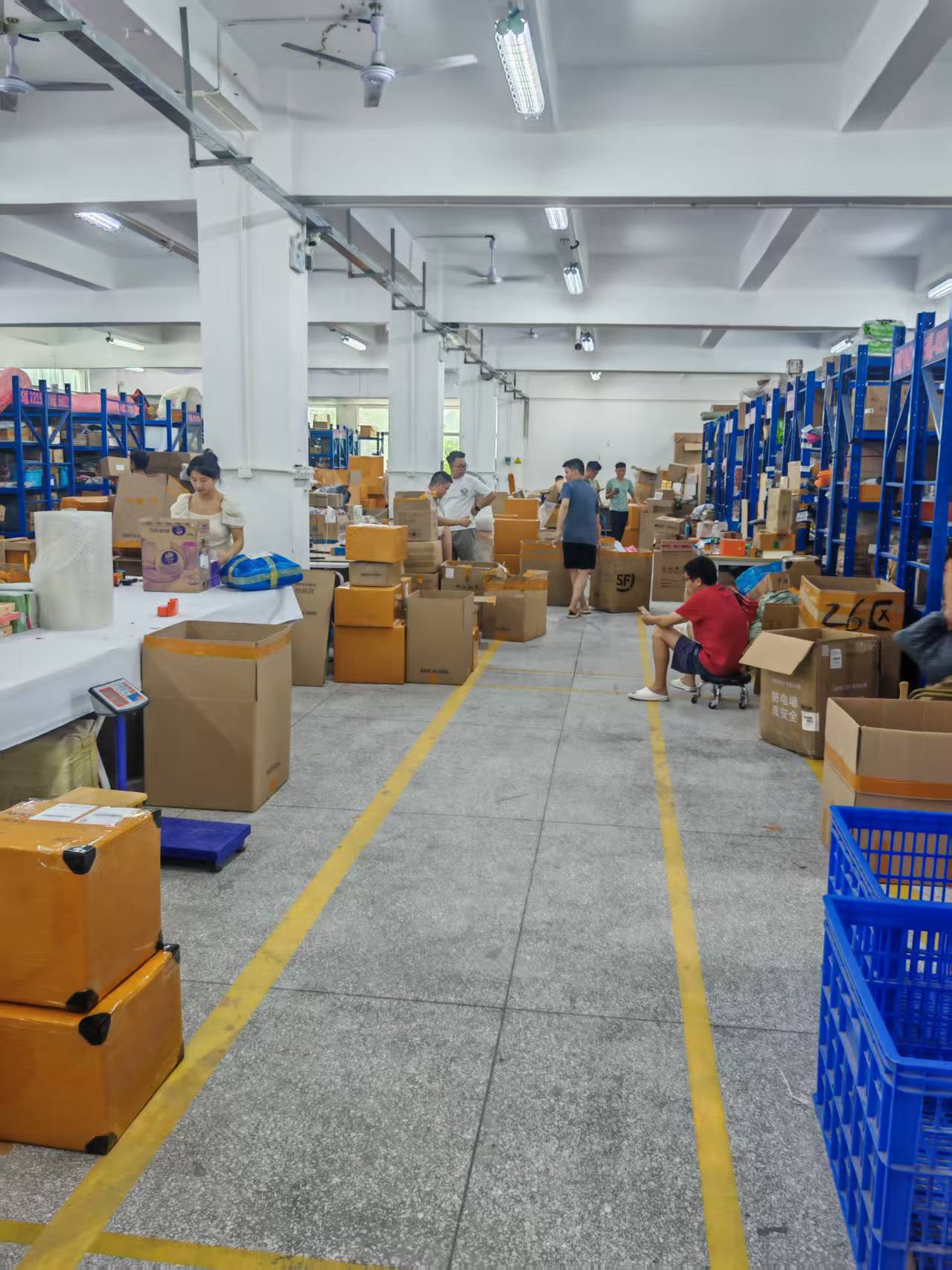
Proper packing is crucial. If you're shipping fragile items like glassware or electronics, use plenty of padding materials. For example, I once helped a 3C electronics seller in Brisbane. We used bubble wrap and foam inserts to make sure the products arrived in one piece.
3. Documentation
You'll need to prepare a bunch of documents. The main ones are the bill of lading, commercial invoice, and packing list. The bill of lading serves as a receipt for the goods and a contract of carriage. The commercial invoice shows the value of the goods, which is important for customs valuation. And the packing list details what's inside each package.
4. Customs Clearance
Once your goods arrive in Australia, they go through customs clearance. The ABF will check your documents and may inspect your goods. This is where having a professional like Aofei International Logistics on your side helps. Their experienced customs team knows the ins and outs of the Australian customs policies and can ensure a smooth clearance process.
5. Delivery
After customs clearance, your goods will be delivered to your designated location. If you choose a service like Aofei International Logistics' door - to - door service, they'll take care of the entire process from start to finish.
V. Frequently Asked Questions (FAQ)
Q: How can I ensure my shipment clears customs smoothly? A: Well, first of all, make sure you have all the correct documents. Get in touch with a reliable freight forwarder, like Aofei International Logistics. They have a team that's well - versed in Australian customs policies and can guide you through the process. As an example, they'll help you fill out the forms correctly and ensure your goods meet the import requirements.
Q: What's the difference in cost between air and sea freight for a small business trying to import home goods? A: Generally, air freight is much more expensive. For a small shipment of home goods, say around 100 kilograms, air freight might cost you around $1,000 - $1,500. Sea freight, on the other hand, for the same weight, could cost around $200 - $300. But remember, sea freight takes longer, so it depends on your urgency.
Q: Can I ship sensitive items like cosmetics to Australia? A: Yes, you can, but there are rules. You need to ensure the cosmetics meet the Australian bio - security and safety standards. A freight forwarder like Aofei International Logistics can help you with the necessary declarations and compliance. They've dealt with sensitive goods many times and have a high clearance rate of over 98%.
Q: What if my goods are damaged during transit? A: It's important to choose a freight forwarder with a good after - sales service. Aofei International Logistics has a comprehensive after - sales and compensation mechanism. They offer to compensate for lost items, and for damaged large items, the compensation process is efficient and fast.
Q: How do I track my shipment? A: If you use a service like Aofei International Logistics, they have a digital system. You can track your shipment in real - time, check the status of your order at each stage, which is really convenient for small business owners and e - commerce sellers to manage their inventory and meet customer needs.
In the end, keep in mind that in 2026, the cross - border logistics between China and Australia has become more complex but also more standardized. Paying attention to these details will help you avoid many pitfalls and ensure a smooth and cost - effective shipping process.