


I. Introduction
Hey there, Australian small business owners, importers, and e - commerce sellers! You're probably well aware that the last mile delivery in China - Australia cross - border logistics can be a real headache. In 2026, new policies and regulatory changes by the Australian Border Force (ABF) and the Department of Agriculture, Fisheries and Forestry (DAFF) have made the situation even more complex. I've been in the cross - border logistics field for quite some time, and I've seen countless businesses stumble in the last mile delivery process. Let's dive into what you need to know to avoid these pitfalls.
II. Common Pitfalls in 2026s China - Australia Last Mile Delivery
1. Customs and Biosecurity Challenges
The 2026 changes to Australian biosecurity rules have tightened the screws on imports. Goods need to meet strict standards to prevent the introduction of pests and diseases. For example, wooden products must be properly treated and certified. I had a client back in 2026 who was an apparel importer based in Melbourne. He had a shipment of clothing that was packaged with wooden hangers. These hangers didn't have the correct treatment certification, and his entire shipment was held up at Port of Melbourne for nearly two weeks. The delay not only incurred storage fees but also disrupted his sales schedule.
2. Incorrect Documentation
Accurate documentation is the key to a smooth delivery process. This includes commercial invoices, packing lists, and certificates of origin. However, many businesses overlook the importance of getting these documents right. Incorrect HS codes can lead to misclassification of goods, resulting in either over - or under - payment of duties. A 3C electronics seller in Sydney once mislabeled a new type of wearable device. The incorrect HS code led to a customs inspection, which took about 10 days and added significant costs to the shipment.
3. Delivery Delays
There are multiple factors that can cause last mile delivery delays. Weather conditions, labor strikes, and high - volume shipping seasons can all throw a wrench in the works. During the peak Christmas season in 2026, many shipping lines and delivery services faced a backlog of orders. An e - commerce seller who sold home goods in Brisbane had a large number of pre - ordered items that were stuck at Port Botany. His customers were left waiting, and he had to offer discounts to pacify them, cutting into his profit margins.
III. In - Depth Analysis: Customs and Biosecurity Pitfalls (40% of the article)
1. New Biosecurity Policies in 2026
The DAFF has introduced several new policies to enhance biosecurity. One of the significant changes is the increased scrutiny of food products. Any food item entering Australia must have detailed ingredient lists and meet strict health and safety standards. For imported snacks, they need to be free from prohibited additives. If a business fails to provide accurate information about the ingredients, the shipment can be rejected or destroyed.
Another area of focus is the inspection of plant - based products. Live plants, seeds, and even some dried plant materials are subject to strict quarantine procedures. A trade factory that exported bamboo handicrafts to Sydney found that their products were held up because the bamboo was not properly treated to eliminate potential pests. The factory had to pay for additional treatment and re - inspection, adding about 20% to their shipping costs.
2. How to Comply
To comply with these new biosecurity policies, businesses should start by thoroughly researching the requirements before placing an order. They can consult the DAFF's official website for the latest information. Additionally, working with a reliable freight forwarder who has experience in handling biosecure shipments is crucial. For example, a freight forwarder can help ensure that all necessary certifications are obtained in advance.
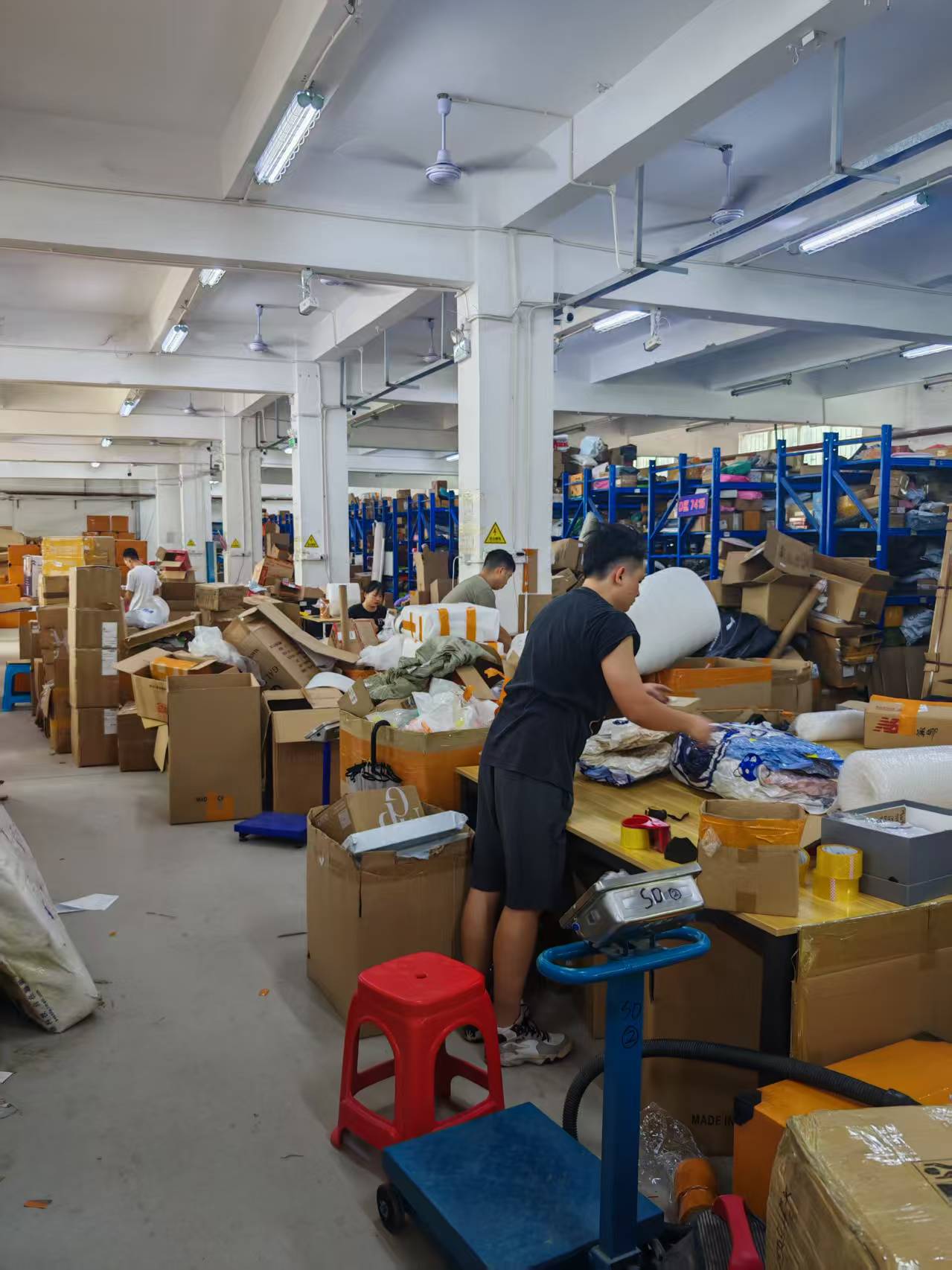
It's also important to properly label and package goods. Clearly indicating the contents and any relevant biosecurity information on the packaging can speed up the inspection process. For instance, if you're shipping a box of herbal tea, label it with the type of herbs, their origin, and whether they have been subjected to any treatments.
3. Consequences of Non - compliance
Non - compliance with biosecurity policies can have severe consequences. At best, it can lead to delays and additional costs. At worst, the entire shipment can be destroyed, and the business may face fines or legal action. A home goods seller who imported wooden furniture without proper treatment certificates not only lost his shipment but also was fined AUD 5,000 by the ABF. This kind of incident can have a long - term impact on a business's reputation and financial health.
IV. Solutions to Avoid Pitfalls
1. Partner with a Reliable Logistics Provider
A good logistics partner like AoFei International Logistics can make all the difference. With 12 years of experience in the China - Australia cross - border logistics field, they have in - depth knowledge of customs procedures and biosecurity regulations. They can handle all aspects of the shipment, from documentation preparation to customs clearance. For example, they offer free services such as package consolidation, which can reduce shipping costs, and provide real - time tracking of your goods.
2. Stay Informed
Keep up - to - date with the latest policies and regulations. Follow official channels such as the ABF and DAFF websites. You can also join industry forums or associations to stay informed about any changes that may affect your business. Additionally, regularly communicate with your logistics provider to get the latest updates on shipping conditions and potential issues.
3. Double - Check Documentation
Before sending out a shipment, double - check all the documentation to ensure its accuracy. Review the HS codes, commercial invoices, and packing lists. It's also a good idea to have a second person review the documents to catch any potential errors. This simple step can save you a lot of trouble down the line.
V. FAQ
Q1: How can I ensure that my products meet the biosecurity requirements? A: Start by researching the specific biosecurity requirements for your product type on the DAFF website. Work with a knowledgeable logistics provider like AoFei International Logistics, who can guide you through the process and help you obtain the necessary certifications.
Q2: What should I do if my shipment is delayed due to customs inspection? A: First, contact your logistics provider immediately. They can provide you with more information about the inspection process and estimated clearance time. You can also try to provide any additional documentation or information that may expedite the process.
Q3: Are there any hidden costs when using a logistics provider? A: AoFei International Logistics has a transparent pricing policy with no hidden fees or port surcharges. However, it's always a good idea to ask your logistics provider for a detailed cost breakdown before signing a contract.
Q4: Can I track my shipment in real - time? A: Yes, many logistics providers, including AoFei International Logistics, offer real - time tracking services. You can use their digital platforms to monitor the progress of your shipment from pick - up to delivery.
Q5: What happens if my shipment is rejected by customs? A: In case of rejection, your logistics provider can help you understand the reasons. You may be able to rectify the issues, such as providing additional documentation or re - treating the goods. In some cases, unfortunately, the shipment may need to be returned or destroyed, but a good logistics provider will guide you through the process to minimize your losses.
In conclusion, by being aware of the pitfalls and taking proactive measures, you can ensure a smooth last mile delivery in your China - Australia cross - border business operations. Keep these tips in mind and stay vigilant!