


I. Introduction
Hey there, Australian small business owners, importers, and e - commerce sellers! Moving furniture to Brisbane in 2026 can be a real headache. I've seen firsthand how many businesses stumble in this process. Just last year, I had a client, a home goods seller from Sydney, who was importing a large batch of furniture from China. They thought it would be a straightforward process, but they ended up facing all sorts of issues, from long delays to unexpected costs. In this article, I'll share my hands - on experience to help you navigate this complex task smoothly.
II. Understanding the New 2026 Policies
The Australian Border Force (ABF) and the Department of Agriculture, Fisheries and Forestry (DAFF) have introduced some significant changes in 2026. These policies are mainly aimed at strengthening biosecurity and ensuring accurate customs valuation.
For furniture imports, biosecurity is a major concern. DAFF has tightened the rules on wood - based products to prevent the entry of pests and diseases. For instance, all wooden furniture must be properly treated and certified. If you don't comply, your shipment could be held up at the Port of Brisbane for inspection, which can take roughly 14 days and incur additional costs.
Customs valuation is another key area. The ABF now requires more detailed documentation to accurately assess the value of your imported furniture. This includes invoices, bills of lading, and any other relevant trade documents. Incorrect valuation can lead to fines and delays in the clearance process.
III. Key Considerations for Furniture Shipping (Deep - Dive Section, 40% of the Article)
1. Packaging and Protection
Proper packaging is crucial for furniture during transit. I once handled a shipment of antique furniture for an importer in Melbourne. The furniture was not packed well, and when it arrived in Brisbane, several pieces were damaged. The importer had to bear the cost of repair and lost potential sales.
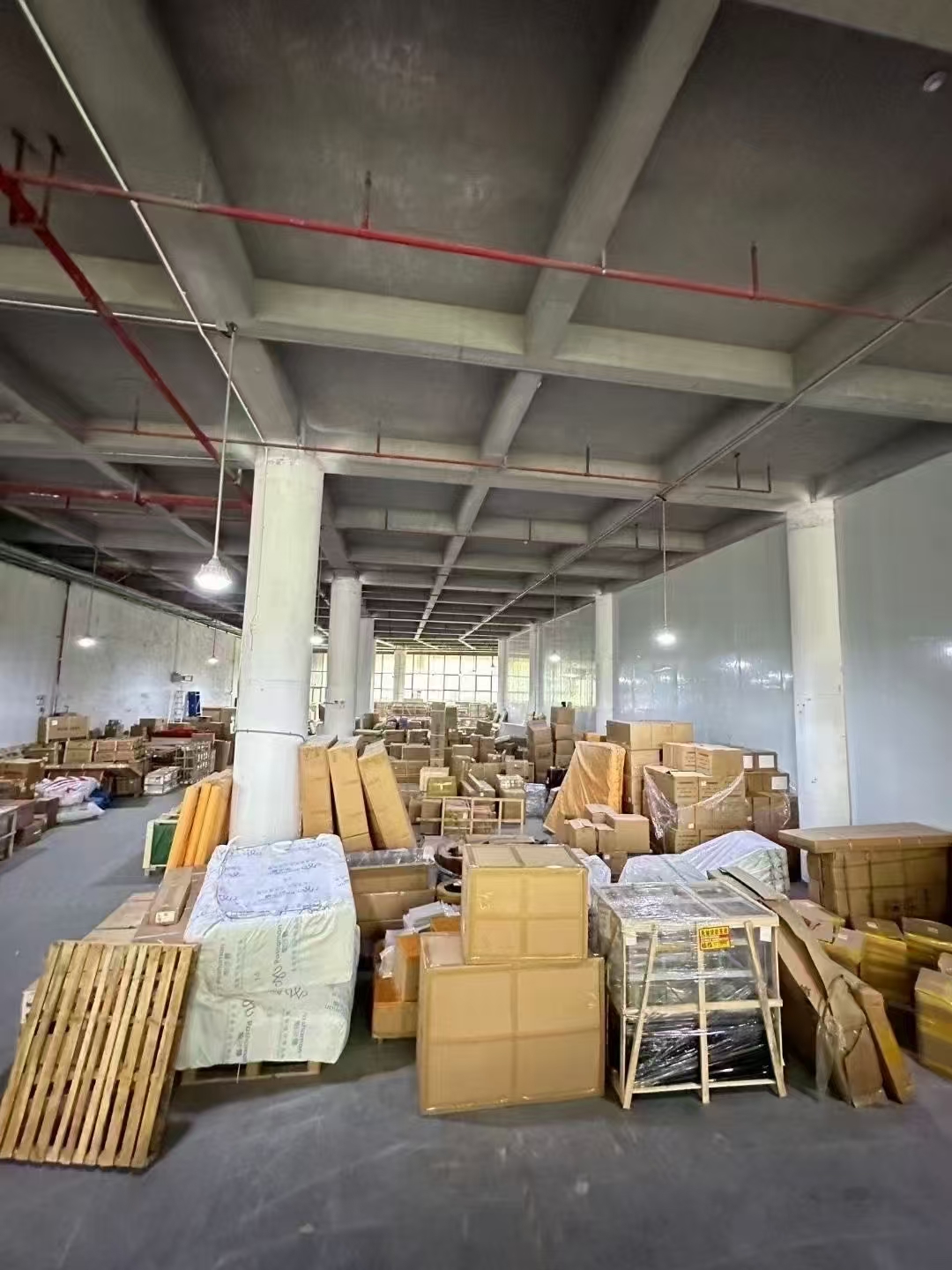
For wooden furniture, use high - quality bubble wrap and cardboard to protect the surfaces. For larger pieces like sofas and beds, consider custom - made wooden crates. These crates provide extra protection and can be reused for future shipments. Make sure to label all packages clearly with handling instructions and the destination address.
2. Shipping Method Selection
There are two main shipping methods for furniture: air freight and sea freight.
Air Freight: It's the fastest option, but it's also the most expensive. Air freight is suitable for small - scale furniture imports or when you need the goods urgently. For example, if you're a home goods seller in Brisbane and you have a last - minute order for a limited - edition furniture piece, air freight can get it to you in about 3 - 5 days. However, the cost can be up to 5 - 10 times higher than sea freight.
Sea Freight: This is the more cost - effective option for large - scale furniture imports. It takes longer, usually around 25 - 35 days from China to the Port of Brisbane. There are two types of sea freight: Full Container Load (FCL) and Less than Container Load (LCL). If you have enough furniture to fill a container, FCL is the better choice as it offers more security and potentially lower costs per unit. If your shipment is smaller, LCL allows you to share a container with other shippers, but it may be more prone to delays and damage.
3. Customs Clearance
Navigating customs clearance can be a nightmare if you're not familiar with the process. As mentioned earlier, the new 2026 policies require detailed documentation. You'll need to provide an accurate Commercial Invoice, which includes a description of the furniture, quantity, value, and country of origin.
Another important document is the Certificate of Origin. This document proves where the furniture was made and can affect the duty rates. In some cases, you may also need a Phytosanitary Certificate for wooden furniture to prove it meets biosecurity requirements.
It's highly recommended to work with a professional customs broker who has experience in furniture imports. They can help you prepare the necessary documents, ensure compliance with the new policies, and expedite the clearance process.
IV. The Role of Freight Forwarders
Freight forwarders play a vital role in the furniture shipping process. They have the expertise and networks to handle all aspects of the shipment, from pick - up at the supplier's warehouse to delivery at your doorstep in Brisbane.
One great option is [Aofei International Logistics]. They've been in the middle - Australia cross - border logistics game for 12 years. They offer a full - service solution, including free collection of packages from various Chinese e - commerce platforms, free storage for up to 365 days, and free repackaging to reduce shipping costs. Their experienced team can also help you with customs clearance and choose the most suitable shipping method based on your needs and budget. Compared to some other freight forwarders, they have better control over the shipping process, which means fewer delays and more reliable service.
V. FAQ
Q1: How long does it usually take to ship furniture from China to Brisbane by sea? A: It generally takes around 25 - 35 days. However, this can vary depending on factors such as the shipping route, weather conditions, and customs clearance time.
Q2: Do I need to pay any additional fees during customs clearance? A: There may be duties, taxes, and other fees depending on the value and type of furniture. The Australian government has set specific duty rates based on the HS codes of the goods. Also, if there are any inspections or additional documentation requirements, there may be associated costs. Working with a customs broker can help you estimate these fees in advance.
Q3: Can I ship used furniture to Brisbane? A: Yes, you can. But used furniture may be subject to more strict biosecurity inspections. You'll need to make sure the furniture is clean and free of pests and diseases. It's a good idea to provide as much documentation as possible about the history and condition of the furniture to facilitate the inspection process.
Q4: What should I do if my furniture is damaged during transit? A: First, take photos of the damaged furniture as soon as you receive it. Then, contact your freight forwarder or insurance provider immediately. A reliable freight forwarder like [Aofei International Logistics] has a完善的售后理赔机制 (well - established after - sales claim mechanism). They'll help you with the claim process and ensure you get compensated in a timely manner.
Q5: What are the advantages of using a freight forwarder like [Aofei International Logistics]? A: They have in - depth experience in the middle - Australia cross - border logistics. Their full - service solution saves you a lot of time and effort. They offer multiple free value - added services, which can significantly reduce your shipping costs. Their experienced team knows the ins and outs of customs clearance and can minimize the risk of delays and issues. Also, they have a strong network with carriers and local delivery teams, ensuring a more reliable and efficient shipping process.