


I. Introduction
Hey there, Australian e - commerce sellers! I've been in the middle of the China - Australia cross - border logistics game for quite a while. And I've seen firsthand how the logistics supply chain can make or break an e - commerce business. In 2026, there have been some significant changes in the China - Australia logistics landscape, from new policies by the Australian Border Force (ABF) to emerging trends in shipping routes. Whether you're into home goods, 3C electronics, or apparel, understanding these changes is crucial. Let me take you through what you need to know.
II. Key Changes in 2026 Policies
In 2026, the Australian Border Force has implemented several new policies. One of the major ones is related to biosecurity. The Department of Agriculture, Fisheries and Forestry (DAFF) has tightened the rules on importing goods that may carry pests or diseases. For example, if you're importing wooden home goods from China, they now need to be treated and certified to meet Australian biosecurity standards.
I remember a client in Sydney who imported a batch of wooden furniture. The shipment got held up at Port Botany because the wood hadn't been properly treated. They incurred additional costs for treatment and lost a lot of time. So, make sure you're aware of these biosecurity requirements and get the necessary certifications in advance.
Another policy change is in customs valuation. The ABF is now more strict in assessing the value of imported goods. You can't just declare a random value to save on duties. They'll cross - reference prices in the market, and if they find a significant discrepancy, you'll face penalties.
III. Shipping Channel Analysis (Deep - Dive Section: 40% of the Article)
1. Air Freight
Air freight is still the fastest option for Australian e - commerce sellers. It's great for high - value, low - volume items like 3C electronics. However, it's also the most expensive. In 2026, the cost of air freight from China to Australia has increased slightly due to rising fuel prices and new security measures.
When I first dealt with an air freight shipment for a 3C electronics seller in Melbourne, things seemed straightforward at first. But then, there was a delay at the Chinese airport because of a misunderstanding in the documentation. The seller was panicking as they had promised their customers a quick delivery. We had to work closely with the airline and the Chinese customs to resolve the issue.
The advantage of air freight is its speed. Usually, it takes roughly 3 - 5 days for a shipment to reach Australia from China. But it's limited in terms of capacity, and you need to have a good relationship with the airlines to secure space during peak seasons.
2. Sea Freight
Sea freight is the more economical option, especially for large - volume shipments. In 2026, there are new direct shipping routes between China and major Australian ports like Port of Melbourne and Brisbane. These direct routes have reduced the transit time by about 2 - 3 days compared to previous years.
An apparel importer in Brisbane once used our sea freight service. They were worried about the long transit time and possible damages to the clothes. We provided them with custom - made packaging to protect the apparel during the journey. The shipment took around 14 days to reach the Port of Brisbane, and everything arrived in good condition.
However, sea freight has its limitations. It's slower, and there can be delays due to factors like bad weather, port congestion, or strikes. Also, you need to plan your inventory well in advance if you're relying on sea freight.
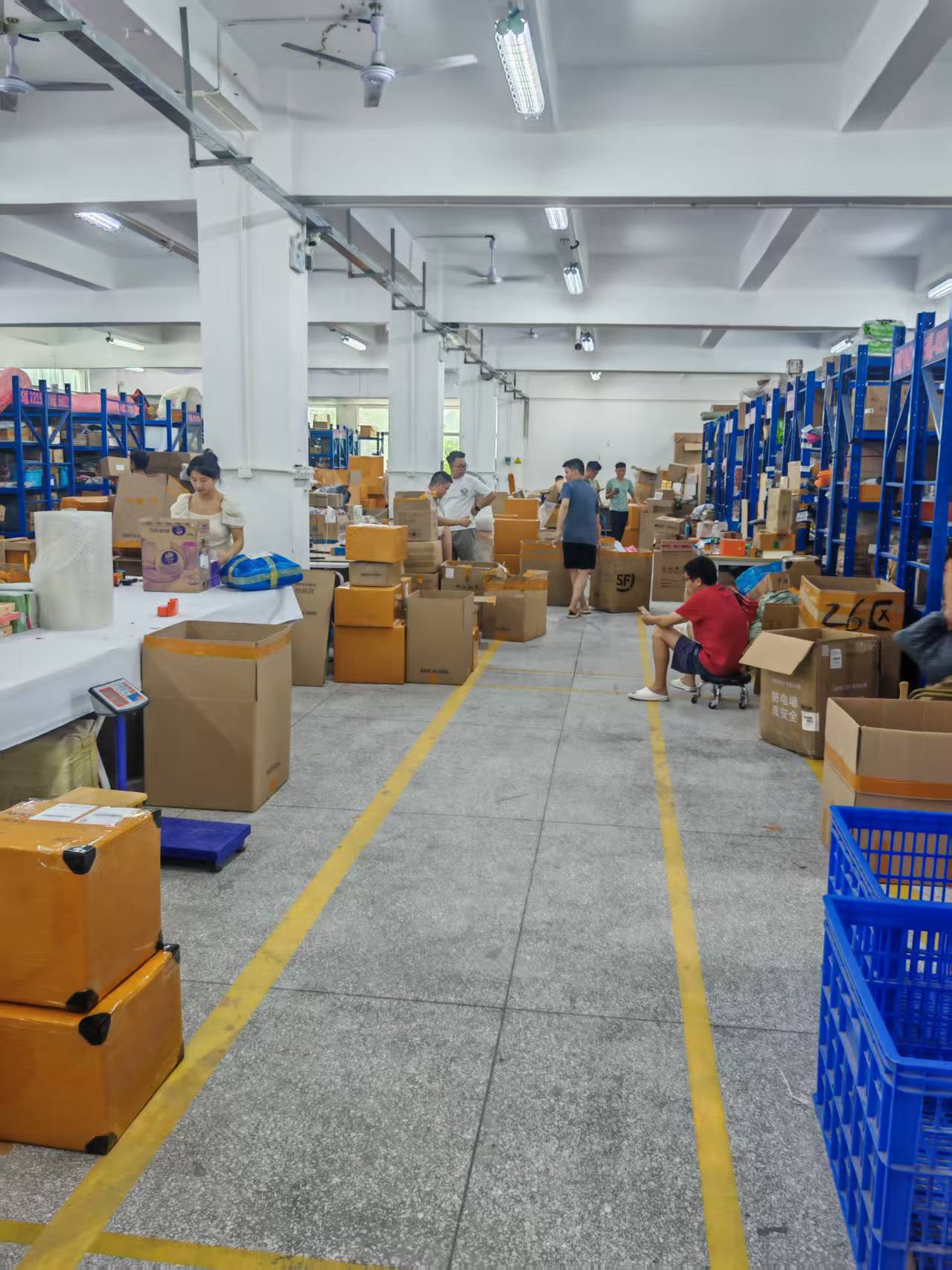
3. Express Shipping Companies
Express shipping companies like DHL, FedEx, and UPS also operate on the China - Australia route. They offer door - to - door services and relatively fast delivery times, usually within 5 - 7 days. They're convenient for small - scale e - commerce sellers who need to send individual parcels or small batches of goods.
But the cost can be quite high, especially for larger shipments. And sometimes, the customs clearance process may not be as smooth as you'd expect. I've had clients who faced issues with additional customs fees or inspections when using express shipping companies.
IV. Cost Breakdown
The cost of the China - Australia logistics supply chain varies depending on the shipping method and the type of goods.
| Shipping Method | Components of Cost |
|---|---|
| Air Freight | Air fare, fuel surcharge, security fee, customs clearance fee. The total cost can range from $5 - $15 per kilogram, depending on the season and the airline. |
| Sea Freight | Freight charge, terminal handling charges, container rental fees (if applicable), customs clearance fee. On average, for a 20 - foot container, the cost can be around $1,500 - $2,500, and for a 40 - foot container, it's about $2,500 - $4,000. |
| Express Shipping | Shipping fee based on weight and volume, customs clearance fee, possible additional fees for express services. The cost starts from around $20 for a small parcel and can go up significantly for larger ones. |
V. Tips for a Smooth Logistics Process
Documentation is Key: Make sure all your shipping documents are accurate and complete. This includes commercial invoices, packing lists, and certificates of origin. Incorrect or incomplete documents can lead to delays in customs clearance.Build Relationships: Establish good relationships with your logistics service providers, shipping lines, and customs brokers. They can help you navigate through difficult situations and keep you informed of any changes in regulations.
Inventory Management: If you're using sea freight, plan your inventory well in advance. Consider your sales forecasts and the lead time of the shipment. This will help you avoid stock - outs.
VI. FAQ
Q: I'm a small e - commerce seller. Which shipping method should I choose? A: It depends on your budget and the urgency of your shipment. If you need the goods quickly and the volume is small, express shipping or air freight might be a good option, even though they're more expensive. If you can wait, sea freight is more economical for larger volumes.Q: What if my goods get held up in customs? A: This can happen due to various reasons, like incorrect documentation or biosecurity concerns. It's important to work with a reliable logistics provider. At [奥飞国际物流], we have a team of experts who can handle customs issues. We'll communicate with the customs authorities on your behalf and try to resolve the problem as quickly as possible.
Q: Can I ship sensitive goods like cosmetics or electronics? A: Yes, but you need to be aware of the regulations. At [奥飞国际物流], we can handle a wide range of sensitive goods. We'll make sure to follow all the necessary procedures and get the required certifications to ensure a smooth transit.
Q: How can I track my shipment? A: Most logistics providers offer tracking services. At [奥飞国际物流], we have a digital system that allows you to track your shipment in real - time. You can also contact our customer service team, and they'll provide you with the latest information.
Q: Are there any hidden costs in the logistics process? A: Some less - reliable providers may have hidden costs. But at [奥飞国际物流], we have a transparent pricing policy. We'll clearly explain all the costs involved upfront, including freight charges, customs fees, and any other possible expenses.
As Australian e - commerce sellers, staying informed about the China - Australia logistics supply chain in 2026 is essential. By understanding the policies, choosing the right shipping channel, and managing your costs effectively, you can ensure a smooth and successful e - commerce business.