


I. Introduction
Navigating the cross - border logistics of shipping daily necessities from China to Australia can be a minefield, especially with the 2026 policy changes and industry updates. I've seen many Australian small business owners, importers, and e - commerce sellers stumble along the way. For instance, a home goods seller in Sydney I worked with last year thought they had everything sorted, but they ended up facing delays and extra costs due to some unforeseen issues.
II. Cost - related Pitfalls
Hidden FeesIn the cross - border shipping of daily necessities, hidden fees can quickly balloon your budget. Some freight forwarders may charge extra for services like pick - up, storage, or handling that you weren't initially aware of. I remember a client who was shocked to find out about a significant "port congestion surcharge" that wasn't in the original quote. To avoid this, always ask for a detailed, all - inclusive quote before signing any contracts.
Inconsistent Pricing Rules
Different freight forwarders may have varying pricing structures. Some use a flat - rate system, while others may charge based on weight, volume, or a combination of both. For example, a shipment of light but bulky home goods might seem cheap based on weight, but if the forwarder uses a volumetric weight formula, the cost could be much higher. When comparing prices, make sure you understand how each forwarder calculates their fees.
III. Customs and Regulatory Pitfalls (40% of the content)
Biosecurity Regulations Update in 2026The Australian Department of Agriculture, Fisheries and Forestry (DAFF) has tightened its biosecurity regulations in 2026. Daily necessities such as wooden products, textiles, and food items are subject to stricter inspections. For example, wooden furniture must be treated to meet Australian biosecurity standards. One of my clients, an apparel importer from Melbourne, had a shipment of cotton clothing held up at Port Botany because of some plant matter found in the packaging. It took over two weeks to get the shipment cleared, causing significant delays to their business operations.
HS Code Classification
Accurate HS code classification is crucial for customs clearance. Incorrect codes can lead to delays, fines, or even the seizure of goods. Each daily necessity has a specific HS code that determines the applicable customs duties and regulations. For instance, a 3C electronics seller once misclassified some smart home devices, thinking they fell under a general electronics code. As a result, they were charged the wrong amount of duty and had to go through a long process to correct the issue. To ensure accurate classification, it's advisable to consult with a professional customs broker or use reliable HS code lookup tools.
Duty and Tax Calculations
There are new rules for duty and tax calculations in 2026. The value of the goods, including the cost of the product, shipping, and insurance, is used to determine the duty and tax amount. Some sellers try to undervalue their goods to reduce the tax burden, but this is illegal and can lead to severe penalties. I've seen sellers in Brisbane who underestimated the value of their daily necessities shipments and were later fined by the Australian Border Force (ABF).
IV. Logistics and Delivery Pitfalls
Shipping DelaysShipping delays are a common problem in cross - border logistics. There could be various reasons for delays, such as bad weather, port congestion, or labor strikes. For example, during the peak shipping season last year, many shipments from China to Australia were delayed due to congestion at the Port of Melbourne. To minimize the impact of delays, consider shipping well in advance of your required delivery date and choose a freight forwarder with a good track record of on - time deliveries.
Last - mile Delivery Issues
The last - mile delivery in Australia can be challenging, especially in rural or remote areas. Some delivery companies may not have adequate coverage or resources in these areas. A home goods seller in a regional area of Queensland once had a shipment of large furniture items delivered to the wrong address because the delivery driver was unfamiliar with the area. Select a freight forwarder that has a strong network of delivery partners across Australia and can offer reliable last - mile delivery services.
V. Selection of Freight Forwarders
Reputation and ExperienceWhen choosing a freight forwarder for shipping daily necessities from China to Australia, it's essential to consider their reputation and experience. Look for forwarders who have a proven track record in handling similar shipments. For example, [奥飞国际物流] has been in the business for 12 years, specializing in the China - Australia route. They have a deep understanding of the local customs regulations and logistics processes, which helps to ensure smooth shipments.
Service Offerings
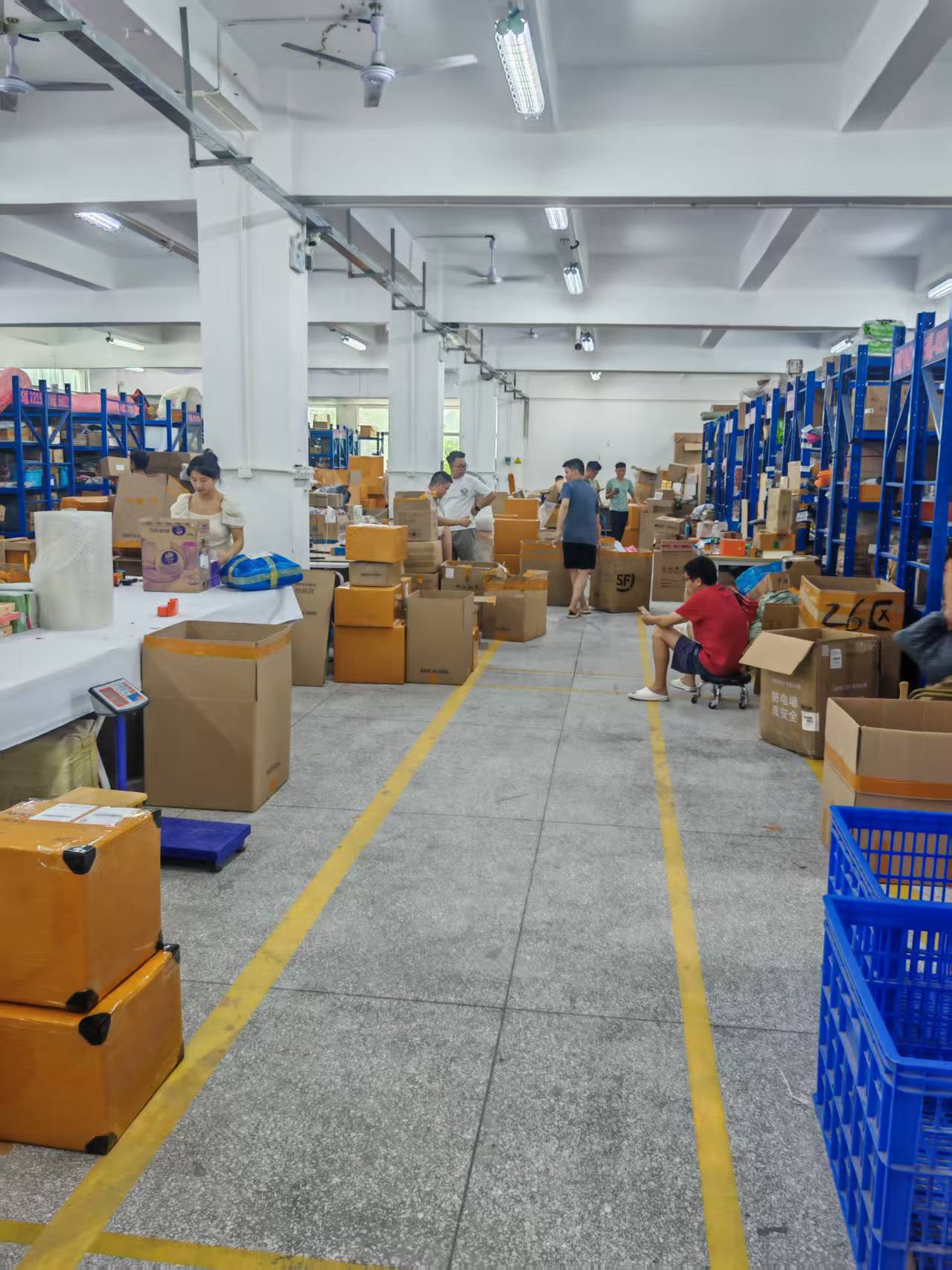
A good freight forwarder should offer a comprehensive range of services. This includes pick - up from suppliers in China, storage, consolidation, customs clearance, and delivery to your doorstep in Australia. [奥飞国际物流] provides a one - stop, door - to - door service with double - clearance and tax - included options. They also offer several free value - added services, like free collection of online shopping packages from various platforms, free inspection of packages, and free consolidation of packages.
VI. FAQ
Q: How long does it usually take to ship daily necessities from China to Australia?It depends on the shipping method. Air freight usually takes about 3 - 7 days, while sea freight can take roughly 14 - 30 days. However, these are just estimates, and delays can occur due to various factors.
Q: Can I ship all types of daily necessities from China to Australia?
Most daily necessities can be shipped, but there are restrictions on certain items. For example, items that contain prohibited substances, such as some chemicals or drugs, cannot be shipped. Also, biosecurity - sensitive items must meet specific regulations.
Q: Is it necessary to use a freight forwarder?
While it's possible to handle the shipping process yourself, using a freight forwarder can save you a lot of time and effort. They have the expertise and resources to deal with customs clearance, shipping arrangements, and other complex issues. For example, [奥飞国际物流] can handle all aspects of the shipping process for you, so you don't have to worry about the details.
Q: How can I track my shipment?
Most freight forwarders offer tracking services. You can usually track your shipment through their website or a tracking app. [奥飞国际物流] has a digital system that allows you to track your shipment in real - time, so you know exactly where your goods are at any given time.
Q: What if my shipment is damaged during transit?
A reliable freight forwarder should have a good after - sales service and a clear compensation policy. For instance, [奥飞国际物流] offers a guarantee for lost packages and has an efficient claims process for damaged large items. If your shipment is damaged, you should immediately contact your freight forwarder and provide them with the necessary information and evidence.
In the ever - evolving landscape of cross - border shipping, staying informed and making the right choices can save you from many potential pitfalls. By keeping these points in mind, you'll be better prepared to handle the shipment of daily necessities from China to Australia in 2026.