


I. Introduction
Are you an Australian small business owner, importer, or e - commerce seller? Dealing with freight forwarding from China to Australia can be a real headache. You might've faced issues like high costs, long transit times, and complex customs procedures. Well, in 2026, there are significant changes in the industry, and I'm here to share my 12 - year front - line experience in cross - border logistics between China and Australia.
II. Changes in 2026 Policy and Their Impact
1. Customs and Biosecurity Updates
The Australian Border Force (ABF) and the Department of Agriculture, Fisheries and Forestry (DAFF) have tightened their regulations in 2026. For instance, stricter inspections are in place for products containing organic materials. I had a client back in 2024 who imported wooden handicrafts. Due to improper declaration of the wood species and origin, the shipment was held up for weeks at the Port of Melbourne. In 2026, the penalties for non - compliance are even steeper. This means you need to ensure accurate HS codes and detailed product descriptions when shipping.
2. Impact on Freight Costs
The new policies have led to a change in freight costs. Generally, the cost for high - risk goods inspection has increased by about 15%. Additionally, with new environmental regulations, sea carriers are investing in more eco - friendly fleets, which has led to a slight increase in shipping rates, around 8% on average.
III. Shipping Channels and Their Advantages & Limitations (In - depth Focus, 40% of Article)
1. High - end Air Freight
This option is ideal for small - volume, high - value products like 3C electronics. The transit time is typically 3 - 5 days, which is extremely fast. However, it's quite expensive, about $8 - $12 per kilogram. It also has limitations in terms of weight and size. For example, a home goods seller in Sydney was in a rush to restock some high - end decorative items before a major holiday. They chose high - end air freight. The goods arrived on time, but the cost was a bit of a shock. The seller had to recalculate the profit margins due to the high shipping cost.
2. Regular Air Freight
With a transit time of roughly 7 - 10 days, regular air freight is a balance between cost and speed. It costs around $5 - $7 per kilogram. It's suitable for goods that need to be delivered faster than sea freight but don't have the urgency of high - end air freight. An apparel importer in Brisbane used regular air freight for a new clothing line. The cost was reasonable, and the goods arrived within the expected time frame, allowing them to start the sales season on time.
3. Sea Freight - Express
This is a relatively new option. It offers a quicker sea transit time, usually around 14 - 18 days, compared to traditional sea freight. It's a good choice for medium - sized orders. The cost is about $1,200 - $1,500 per 20 - foot container. However, the schedule might be less flexible. A trade factory in Melbourne that needed to ship a large quantity of furniture parts found sea freight - express to be a good option. They were able to plan their production and sales based on the relatively predictable transit time.
4. Traditional Sea Freight
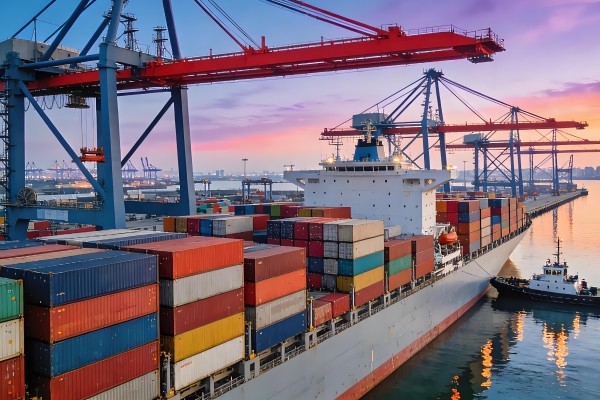
It's the most cost - effective option for large - volume shipments. The transit time can be 25 - 35 days, and the cost for a 20 - foot container is approximately $800 - $1,000. But it has the slowest transit time, and there's a higher risk of delays due to factors like bad weather or port congestion. An importer of home goods in Sydney once used traditional sea freight for a large order of furniture. The shipment was delayed by a week due to bad weather in the South China Sea, which affected their store's launch plan.
IV. Choosing the Right Freight Forwarder
1. Expertise and Experience
Look for a freight forwarder with in - depth knowledge of the China - Australia route. For example, [奥飞国际物流] has 12 years of experience in this field. Their team is well - versed in the latest customs regulations and can handle all sorts of shipping documents.
2. Service Range
A good freight forwarder should offer a full - range of services, including pick - up, warehousing, customs clearance, and delivery. [奥飞国际物流] provides one - stop, door - to - door service, which means you don't have to worry about multiple parties and complex procedures.
3. Pricing
Make sure the pricing is transparent with no hidden fees. [奥飞国际物流] uses a standardized and stepped pricing rule, so you know exactly what you're paying for.
V. Common Pitfalls and How to Avoid Them
1. Incorrect Documentation
Incorrect or incomplete documentation is a common cause of customs delays. Always double - check your HS codes, commercial invoices, and packing lists. For example, I've seen companies mix up product descriptions, leading to long - term holds at the Port Botany.
2. Not Planning for Peak Seasons
During peak seasons like Christmas and Chinese New Year, shipping costs can increase, and there may be more delays. Plan your shipments in advance to avoid these issues. For instance, a 3C electronics seller in Melbourne didn't plan ahead for Christmas orders last year. They had to pay a premium for expedited shipping, which cut into their profits.
VI. FAQ
What if my goods are damaged during transit? If you choose a reliable freight forwarder like [奥飞国际物流], they usually have an after - sales claim mechanism. [奥飞国际物流] promises to compensate for lost items, and the claim process for damaged large - sized items like furniture is efficient.How can I track my shipment? Most freight forwarders today use digital systems. [奥飞国际物流] has a digital service system that allows you to track your shipment in real - time, so you know exactly where your goods are at any time.
Can I ship sensitive goods? Yes, but it depends on the freight forwarder. [奥飞国际物流] can handle various sensitive goods such as cosmetics, liquids, and powders. They have a professional team to control compliance and provide declaration guidance to ensure a high clearance rate.
What's the best option for a small - business owner on a tight budget? If you're on a tight budget and your goods aren't time - sensitive, traditional sea freight is your best bet. It's the most cost - effective option, but you need to plan your orders well in advance due to the long transit time.
How do I deal with customs clearance by myself? It's a complex process. You need to understand the Australian customs regulations, including duty rates, biosecurity requirements, and correct HS code classification. It's highly recommended that you hire a professional freight forwarder to handle it for you, as they have the expertise and experience to avoid costly mistakes.
In the ever - changing landscape of China - to - Australia freight forwarding in 2026, staying informed and choosing the right partners are crucial for your business success.