


I. Introduction
In 2026, if you're an Australian small business owner, importer, or e - commerce seller sourcing goods from Shenzhen, China, professional logistics services are crucial. I've seen firsthand the challenges many face in this process. For instance, a home goods seller in Sydney once came to me, frustrated with long delivery times and high costs. He didn't know the ins and outs of choosing the right logistics service, which led to a lot of headaches. Understanding the logistics landscape is essential for smooth business operations.
II. Market Overview and Policy Changes in 2026
The rules have tightened up this year. The Australian Border Force (ABF) has introduced stricter biosecurity checks, especially for goods that might carry pests or diseases. For example, wooden furniture and certain food items need more detailed documentation. The Department of Agriculture, Fisheries and Forestry (DAFF) also requires more detailed labeling on products to ensure they meet Australian standards. These changes mean that your logistics service provider must be on top of things to avoid any customs hold - ups.
III. In - Depth: Choosing the Right Logistics Provider (40% of the content)
1. Specialization and Experience
When it comes to cross - border logistics from Shenzhen to Australia, specialization matters. I've worked with many companies over the years, and those that focus on the Shenzhen - Australia route are often more reliable. Take [奥飞国际物流] as an example. They've been in the game for 12 years, specializing in the Shenzhen - Australia line. Their long - term experience means they know how to handle the unique challenges of this route, like dealing with specific customs requirements and local regulations.
2. Service Range
A comprehensive service range is a must. You don't want to be juggling multiple providers for different parts of the shipping process. [奥飞国际物流] offers a one - stop solution. They handle everything from domestic pick - up in Shenzhen, through warehousing and consolidation, to cross - border shipping, Australian customs clearance, and final delivery. This means you don't have to worry about coordinating between different companies, saving you time and reducing the risk of errors.
3. Cost Transparency
Cost is always a major concern. Some logistics providers have hidden fees that can quickly add up. [奥飞国际物流] uses a standardized and transparent pricing system. They have no hidden charges or port surcharges, and they offer the same price for both ordinary and sensitive goods. For large - volume shipments, they even have significant discounts, which is a big plus for businesses looking to cut costs.
4. Risk Management
In 2026, with the new policies from the ABF and DAFF, risk management is crucial. A good logistics provider should have a team that is well - versed in Australian customs policies. [奥飞国际物流] has a senior customs - clearance team that knows exactly what the ABF and DAFF are looking for. They've managed to maintain a customs clearance pass rate of over 98%, even for sensitive goods. Plus, in peak seasons, they promise not to raise prices and ensure your goods are loaded on the ship first, which is invaluable when time is of the essence.
5. Service Support
A dedicated customer service team is essential. You need someone to answer your questions and help you resolve issues promptly. [奥飞国际物流] provides a one - on - one customer service experience. They also have a digital system that allows you to track your shipment in real - time, so you always know where your goods are.
IV. Shipping Modes and Their Suitability
1. Air Freight
Air freight is the fastest option. It's ideal for small, high - value items, or when you need urgent delivery. For example, 3C electronics sellers often prefer air freight because electronic products are usually small and can be very valuable. However, it's also the most expensive option. It usually takes about 3 - 5 days to reach major Australian cities like Sydney or Melbourne.
2. Sea Freight
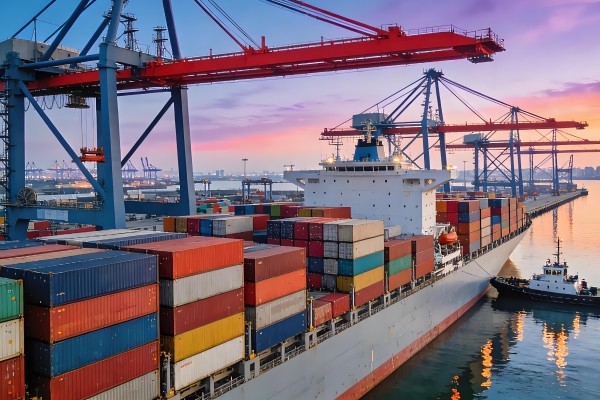
Sea freight is more cost - effective for large - volume shipments. There are two main types: standard sea freight and express sea freight. Standard sea freight is slower, taking around 18 - 25 days, but it's much cheaper. Express sea freight is a bit faster, around 12 - 15 days, but also more expensive than the standard option. Apparel importers often choose sea freight because clothing is bulky but not as time - sensitive as some other products.
V. Case Studies
1. Home Goods Seller in Sydney
A Sydney - based home goods seller was importing furniture from Shenzhen. They initially used a less - experienced logistics provider, which led to long delivery times and damaged goods due to improper packaging. After switching to [奥飞国际物流], the new provider offered customized packaging for the furniture, ensuring it was well - protected during transit. They also handled the complex customs procedures smoothly, and the goods arrived in Sydney in good condition within the estimated time frame.
2. 3C Electronics Seller in Melbourne
A Melbourne 3C electronics seller was facing high costs and long lead times with their previous logistics service. [奥飞国际物流] recommended air freight for their small, high - value products. They also managed to streamline the customs clearance process, reducing the overall delivery time to just 4 days. This allowed the seller to restock their inventory quickly and meet customer demand.
VI. Frequently Asked Questions
1. How can I ensure my goods pass the new biosecurity checks in Australia in 2026?
You need a logistics provider that knows the new regulations well. [奥飞国际物流], for example, has a team that stays updated with the latest biosecurity requirements from the DAFF. They'll make sure your goods are properly documented and meet all the standards.
2. What if my goods are damaged during transit?
A reliable logistics provider should have a good after - sales service. [奥飞国际物流] has a comprehensive after - sales claim system. They promise to compensate for lost goods, and for damaged large - scale items like furniture, the claim process is efficient and fast.
3. Can I track my shipment in real - time?
Yes, most professional logistics providers offer real - time tracking. [奥飞国际物流] has a digital system that allows you to monitor your shipment's progress at any time. You can see where your goods are, when they'll arrive at the port, and when they'll be delivered to your doorstep.
4. How do I choose between air freight and sea freight?
It depends on your needs. If you have small, high - value items and need them quickly, air freight is better. But if you have large - volume shipments and time isn't as critical, sea freight is more cost - effective. You can discuss your specific situation with your logistics provider, and they'll give you the best advice.
5. Are there any hidden costs with a logistics provider?
Not if you choose a reliable one. [奥飞国际物流] has a transparent pricing system. They clearly state all the costs upfront, so you don't have to worry about any unexpected charges.
In 2026, choosing the right logistics service from Shenzhen to Australia can make or break your business. By understanding these key points, you can make an informed decision and ensure your goods are shipped smoothly and cost - effectively. Always keep an eye on the changing policies and choose a provider that can adapt to them.