


I. Introduction
As an experienced player in the Sino - Australian cross - border logistics industry, I've seen many Australian importers stumble in cargo sorting. In 2026, new policies and requirements from the Australian Border Force (ABF) and the Department of Agriculture, Fisheries and Forestry (DAFF) have made cargo sorting even more crucial. A small mistake in cargo sorting can lead to significant delays, fines, and even the confiscation of goods. Let me share some practical insights to help Australian small business owners, importers, and e - commerce sellers avoid these pitfalls.
II. Understanding the New Policies in 2026
The 2026 Australian policies have brought some significant changes, especially in terms of biosecurity and customs valuation. For instance, the ABF has tightened the inspection of goods that might carry pests or diseases. All organic materials, such as wooden products and food items, need to be accurately declared. I once had a client back in the first quarter of 2026. He was an apparel importer in Sydney. He had some shipments with wooden hangers, but he didn't sort them out properly and declare them as having organic components. As a result, his entire shipment was held up for more than two weeks at Port Botany, with additional inspection fees of around AUD 500.
III. Proper Classification of Goods with HS Codes
1. The importance of accurate HS codes
Harmonized System (HS) codes are essential for cargo sorting. They determine the duty rates, import restrictions, and inspection requirements. Using incorrect HS codes can result in over - paying or under - paying duties, and it might also trigger further investigations from the customs. For example, if you're importing 3C electronics and misclassify a smartwatch as a regular watch, it could lead to a wrong duty calculation.
2. Seeking professional help
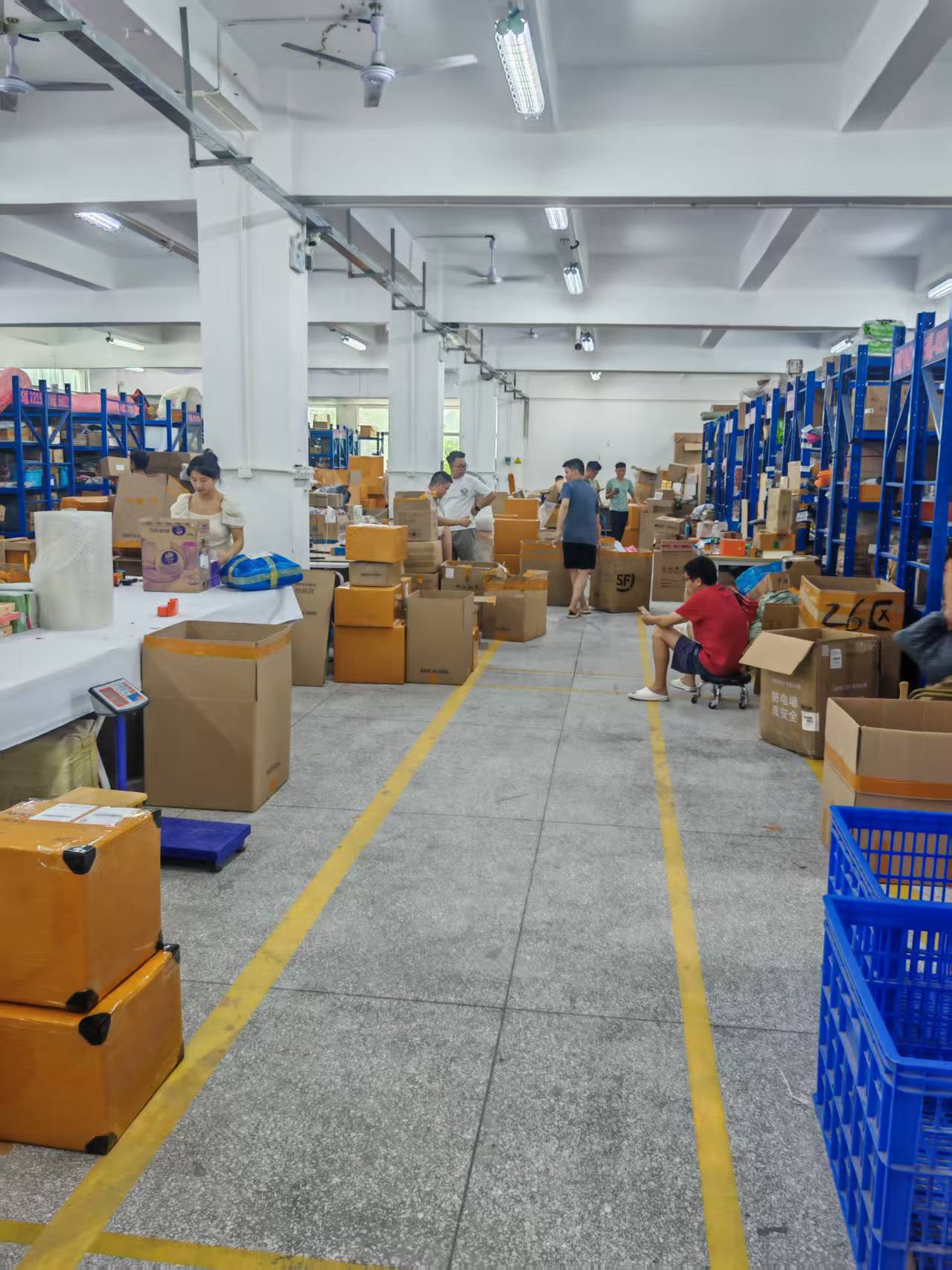
HS codes can be quite complex. Sometimes, it's hard for small business owners to stay updated with all the changes. That's why it's a good idea to consult a professional customs broker or a logistics provider like Aofei International Logistics. They have experienced teams who are well - versed in the latest HS code classifications. Aofei's team can help you accurately sort your goods and assign the correct HS codes, ensuring smooth customs clearance.
IV. Separating General and Sensitive Goods
1. Identifying sensitive goods
Sensitive goods refer to items that are subject to special regulations, such as cosmetics, liquids, powders, and some electronics with built - in batteries. In 2026, the ABF has an increased focus on inspecting these goods. For example, when importing cosmetics, they need to meet strict safety and labeling requirements.
2. The impact of improper sorting
If you don't separate general and sensitive goods properly, it can cause delays. The customs has different inspection procedures for these two types of goods. When mixed, they may have to re - process the entire shipment, wasting a lot of time. An apparel importer in Melbourne once made this mistake. He shipped a batch of garments along with some imported makeup products without separating them. The whole shipment was put on hold for about 10 days at the Port of Melbourne, waiting for separate inspections.
V. Preparing Documentation for Each Category
1. Different documentation requirements
Each category of goods has different documentation requirements. For general goods, you usually need a commercial invoice, packing list, and bill of lading. However, for sensitive goods, additional documents such as safety certificates, ingredient lists, and product specifications are often required.
2. Ensuring document accuracy
Inaccurate or incomplete documentation can be a major pitfall. The ABF will reject shipments if the documents don't match the actual goods. I remember a trade factory in Brisbane that sent a shipment of home goods. The packing list stated a different quantity than what was actually in the containers. As a result, the shipment was delayed for over a week while they sorted out the documentation discrepancies.
VI. Working with a Reliable Logistics Partner
1. The advantages of a reliable partner
A reliable logistics partner like Aofei International Logistics can handle all aspects of cargo sorting for you. They have in - depth knowledge of the 2026 Australian policies, and they're experienced in dealing with different types of goods. They can sort your cargo accurately, prepare the necessary documentation, and ensure that your goods pass through customs smoothly.
2. Other benefits
Aofei also offers various free value - added services. They can provide free storage for up to 365 days, which is very helpful for importers who want to accumulate goods before shipping. They also offer free repackaging and consolidation services, reducing your shipping costs.
VII. FAQ
How can I make sure the HS codes I use are correct? Well, you can start by referring to the official HS code database. But it's quite a complicated task. I recommend using a professional service like Aofei International Logistics. Their experts can accurately classify your goods and assign the right HS codes.What if my shipment contains a small amount of sensitive goods mixed with general goods? Even a small amount can cause problems. It's best to separate them before shipping. If you don't have the time or expertise, a logistics provider can do this for you. They'll ensure that each type of goods is inspected and cleared according to the appropriate procedures.
How long do I need to keep the shipping documentation? The ABF usually recommends keeping them for at least 7 years. This is because they may conduct audits or investigations in the future, and you need to be able to produce accurate documentation.
My business is in a remote area of Australia. Can a logistics company still provide good service? Yes, many reliable logistics companies, including Aofei, have good coverage in Australia. They have partnerships with local delivery services that can reach most areas. However, you may need to check with them in advance to confirm the delivery details.
What could be the consequences if I don't follow the 2026 cargo sorting rules? You could face delays at the port, which may disrupt your business operations. There may also be fines imposed by the customs. In severe cases, your goods could be confiscated. So, it's really important to sort your cargo correctly.
In the ever - changing world of cross - border logistics, staying informed and working with a reliable partner are the keys to avoiding pitfalls in cargo sorting. By following these tips, you can ensure that your imports arrive in Australia smoothly and on time in 2026.