


I. Introduction
Hey there, Australian small business owners, importers, and e-commerce sellers! As someone with years of hands-on experience in China-Australia cross - border logistics, I've seen firsthand the challenges and opportunities that come with container loading. By 2026, new policies and regulations are expected to reshape the landscape, making it crucial for you to understand the ins and outs of this process.
I remember back in 2024, I had a client, a home goods seller from Sydney. He was importing a large batch of furniture from China. Due to a misunderstanding about container loading, a significant portion of his goods arrived damaged. That's the kind of situation we want to avoid, and in this article, I'll share some essential knowledge to help you navigate container loading in cross - border logistics.
II. Key Policy Changes Affecting Container Loading in 2026
1. Australian Border Force (ABF) New Regulations
The Australian Border Force is set to enforce stricter regulations in 2026 regarding container inspections. This is part of the government's efforts to protect Australia's biosecurity and ensure compliance with international trade standards. For instance, containers carrying goods such as wooden furniture or agricultural products will be subject to more thorough inspections. You'll need to ensure that all your goods meet the ABF's biosecurity requirements, which may include proper treatment of wooden materials to prevent the entry of pests or diseases.
2. Customs Valuation and Declaration
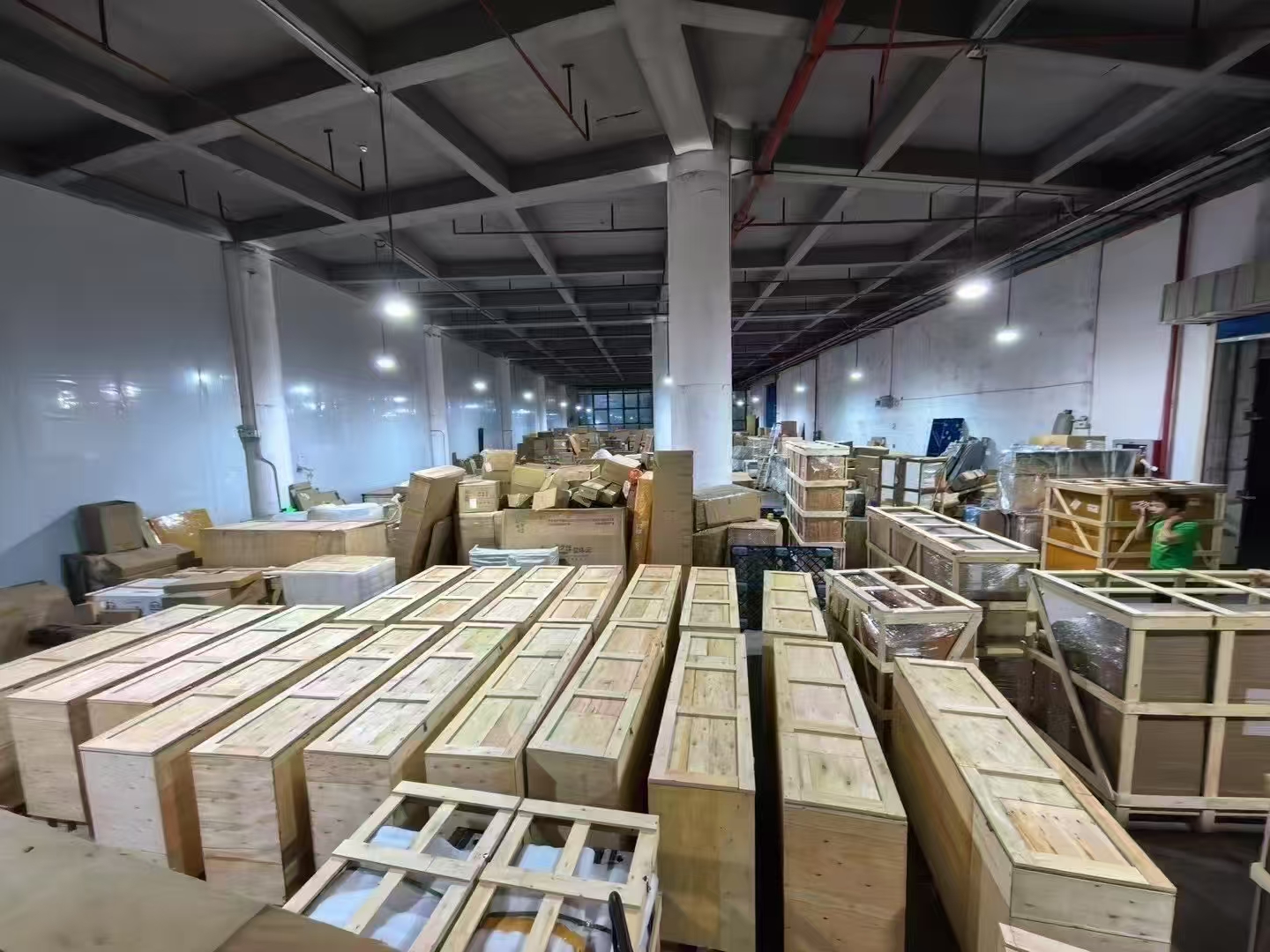
Customs valuation will become more precise. By 2026, you'll be required to provide detailed and accurate information about the value of your goods in the container. Undervaluing or providing false information can lead to hefty fines and delays in customs clearance. It's essential to keep all your invoices and receipts related to the goods and use them as a basis for accurate declaration.
III. Common Container Loading Pitfalls and How to Avoid Them
1. Incorrect Weight Distribution
One of the most common mistakes is improper weight distribution within the container. I once had an apparel importer from Melbourne who loaded all the heavy items on one side of the container. During transit, the container became unbalanced, causing damage to the goods and even putting the entire shipment at risk. To avoid this, distribute the weight evenly across the container. You can use a weight - calculation tool to ensure that the load is balanced.
2. Overloading
Overloading a container is not only a safety hazard but can also lead to issues with customs and shipping lines. Each container has a maximum weight limit, and exceeding it can result in fines and the rejection of the shipment. Before loading, check the container's rated weight and make sure your goods do not exceed it. You can use a weighing scale at the loading site to verify the weight.
3. Improper Packaging
Poor packaging can lead to significant damage during transit. For 3C electronics sellers, it's crucial to use proper shock - absorbing materials and sturdy boxes. I've seen cases where electronics arrived broken because they were not packaged correctly. Ensure that your goods are well - protected with cushioning materials and labeled clearly.
IV. Container Loading Best Practices
1. Pre - Loading Planning
Before loading, make a detailed plan. List all the items in your shipment, their dimensions, and weights. This will help you determine the best way to arrange the goods in the container. You can also use a container loading software to simulate the loading process and find the most efficient layout.
2. Loading Sequence
Load the heaviest and most stable items first, starting from the bottom and working your way up. Place fragile items on top and ensure they are well - cushioned. For example, if you're loading a mix of home goods and electronics, load the furniture first and then carefully place the electronics on top with proper padding.
3. Securing the Goods
Use straps, ropes, or bracing materials to secure the goods in place. This will prevent them from shifting during transit and reduce the risk of damage. Make sure all the straps are tightened properly and that the bracing is strong enough to hold the load.
V. Choosing the Right Logistics Partner
Selecting a reliable logistics partner is crucial for successful container loading. An experienced logistics company like AoFei International Logistics (AFL) can help you navigate the complex regulations and ensure that your containers are loaded safely and efficiently.
AFL has over 12 years of experience in the China - Australia cross - border logistics market. They have a deep understanding of the 2026 policies and can provide you with professional advice on container loading. They also offer a full - service solution, including pre - loading planning, customs clearance, and shipping. With a dedicated team, they can ensure that your goods arrive in Australia in good condition.
VI. FAQ
What if my goods do not meet the ABF's biosecurity requirements? If your goods do not meet the requirements, they may be quarantined, treated, or even destroyed by the ABF. It's crucial to work with a logistics partner like AFL who can help you understand and meet these requirements before shipping.Can I load different types of goods in the same container? Yes, you can. However, you need to ensure that the goods are compatible and that they are loaded in a way that prevents damage. For example, do not stack heavy items on top of fragile ones. AFL can assist you in planning the layout of mixed - cargo containers.
How can I ensure the accuracy of customs valuation? Keep all your invoices and receipts related to the goods. Provide detailed descriptions of the goods, including their quantity, quality, and origin. If you're unsure, you can consult a customs broker or a logistics provider like AFL.
What should I do if there is damage to my goods during container loading? If you notice damage during loading, stop the process immediately. Document the damage with photos and contact your logistics provider. AFL has a comprehensive after - sales service and will help you resolve the issue, including handling insurance claims if necessary.
How long does container loading usually take? The time for container loading depends on various factors, such as the number and type of goods, the loading method, and the experience of the loading team. Generally, it can take anywhere from a few hours to a full day. AFL will work efficiently to minimize the loading time and ensure timely shipping.
As we approach 2026, staying informed about container loading in China - Australia cross - border logistics is essential for your business success. By following the tips and best practices outlined in this article, you can avoid common pitfalls and ensure that your goods arrive in Australia safely and on time.