


Introduction
Are you an Australian small business owner, importer, or e - commerce seller planning to import goods from China in 2026? Container shipping from China to Australia can be a complex process filled with potential pitfalls. I've been in the cross - border logistics business for years, dealing with numerous shipping cases between these two countries. In this article, I'll share some valuable insights to help you steer clear of common mistakes.
I. Understanding the 2026 Policy Changes
In 2026, there have been some significant updates in the regulations of the Australian Border Force (ABF) and the Department of Agriculture, Fisheries and Forestry (DAFF). Recently, I had a client, a home goods seller from Sydney, who almost faced a huge loss due to lack of knowledge about these new policies.
The new biosecurity regulations are stricter. For example, DAFF requires more detailed declaration of organic materials in the goods. If you're importing furniture with natural wood components, you must provide accurate information about the origin and treatment of the wood. Failure to do so can lead to delays at the port, and in some cases, the goods may even be seized.
The ABF has also tightened customs valuation rules. They are more focused on ensuring that the declared value of the goods is realistic. If they suspect undervaluation, they'll conduct an in - depth audit, which can cause long - term disruptions to your supply chain.
II. Selecting the Right Shipping Routes and Carriers
Not all shipping routes and carriers are the same. I once had a 3C electronics seller from Melbourne who chose a cheap but unreliable carrier. The carrier had a high frequency of delays, and the goods were often damaged during transit.
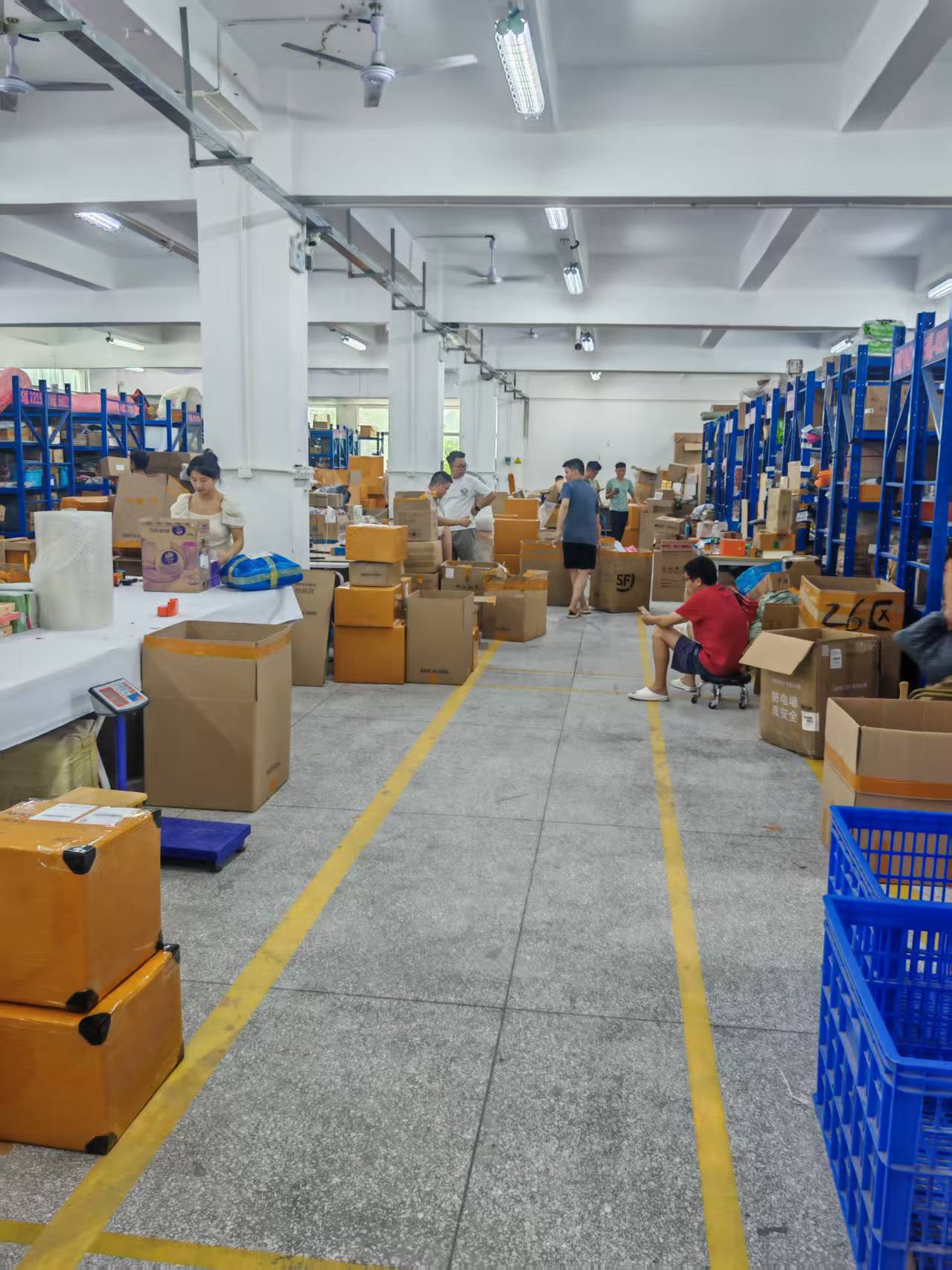
When choosing a shipping route, consider the transit time and the number of transshipments. Direct routes usually save time and reduce the risk of damage. For example, a direct route from Shanghai to Port Botany might take roughly 14 days, while a route with one or two transshipments could take up to 21 days.
In terms of carriers, look for those with a good reputation in handling your type of goods. Experienced carriers understand the specific requirements of different cargos. For instance, if you're shipping delicate electronics, a carrier with proper packaging and handling procedures is crucial.
III. Documentation and Customs Clearance
Proper documentation is the key to a smooth customs clearance process. In 2026, the requirements for import documentation have become more stringent. You need to ensure that all the documents, such as the commercial invoice, bill of lading, and packing list, are accurate and complete.
I remember a case where an apparel importer from Brisbane submitted a commercial invoice with incorrect descriptions of the goods. The ABF had to conduct a detailed inspection, which caused a delay of about 10 days.
To avoid this, double - check all the information on your documents. Use the correct HS codes for your goods. HS codes are crucial as they determine the customs duty rates and regulatory requirements. Incorrect HS code usage can lead to over - or under - payment of duties.
IV. Cost Management and Hidden Fees
Shipping costs can quickly add up if you're not careful. In addition to the basic freight charges, there are many hidden fees. Some carriers may charge container demurrage fees if the container is not picked up on time, or terminal handling charges.
A trade factory in Sydney once had a large bill for demurrage fees because they were not aware of the tight time limit for container pick - up. To manage your costs, ask your logistics provider for a clear breakdown of all the charges upfront. Look for a provider that offers transparent pricing, like Ofei International Logistics. They use standardized billing and have no hidden fees, which can save you a significant amount of money.
V. Packaging and Insurance
The first time I ran into a situation where goods were severely damaged during transit was a real eye - opener. A home goods seller had their products shipped without proper packaging. When the goods arrived in Melbourne, a large portion of them was broken.
Proper packaging can prevent damage during shipping. For fragile items, use shock - absorbing materials. For heavy or large items, secure them firmly inside the container.
Also, don't skip insurance. It may seem like an extra cost, but it can save you from huge losses in case of damage or loss of goods. Check the insurance policy carefully to understand what is covered and what is not.
FAQ
What happens if my goods don't meet the new biosecurity regulations? Well, if your goods don't meet the biosecurity regulations, they'll likely be held at the port. The Australian authorities may ask you to provide additional information, or they may even require you to treat or return the goods. This can cause significant delays and additional costs.How do I choose the right HS code for my goods? You can consult the official HS code database provided by the World Customs Organization. In addition, a professional logistics provider like Ofei International Logistics can help you determine the correct HS code. They have a lot of experience in dealing with different types of goods and can ensure you use the right code.
Can I trust the shipping carrier's insurance? It depends. Some carriers offer basic insurance, but it may not cover all the value of your goods or all types of risks. I usually recommend that you purchase additional insurance independently to fully protect your goods.
What should I do if there are delays in customs clearance? If there are delays in customs clearance, first, contact your customs broker or logistics provider. They can help you understand the reason for the delay. If it's due to documentation issues, provide the correct information as soon as possible. If it's a customs inspection, you may need to wait, but you can keep in touch with the authorities for updates.
How can I reduce the shipping costs? You can consider consolidating your shipments to take advantage of economies of scale. Also, choose the right shipping route and carrier based on your budget and delivery time requirements. Working with a logistics provider like Ofei International Logistics can be beneficial as they can help you optimize your shipping plan and avoid hidden fees.
In 2026, importing goods from China to Australia need careful planning and attention to detail. By being aware of the policy changes, choosing the right partners, and handling the logistics process accurately, you can avoid many common pitfalls and ensure a smooth shipping experience.