


Which is cheaper in 2026, Australia freight consolidation or international express? A breakdown for different scenarios!
In the world of international shipping, the age - old question persists: which option offers better value for money, Australia freight consolidation or international express? As we step into 2026, the answer isn't as straightforward as it might seem. Let's dig deep into different scenarios to find out.
I. Understanding the Basics
Australia freight consolidation involves merging several small shipments from different shippers into one large container. This pooling of resources can drive down costs. On the other hand, international express services like DHL, FedEx, and UPS are known for their speed and reliability but often come with a heftier price tag.
Cost Structure of Freight Consolidation
Freight consolidation reduces costs primarily through economies of scale. For example, a small business in China shipping 10 cubic meters of goods to Australia might pay around $1,500 - $2,000 via freight consolidation. The cost per cubic meter drops as more goods are added to the container.There are also additional fees such as terminal handling charges, documentation fees, and customs clearance fees. However, these are generally spread among multiple shippers, making the overall cost-effective.
Cost Structure of International Express
International express companies usually have a base rate based on the weight and dimensions of the package. For instance, sending a 5 - kilogram package from China to Australia via DHL might cost around $150 - $200.They offer door - to - door service, which is convenient but adds to the cost. Express services also provide tracking and insurance options, which are all factored into the price.
II. Small - Quantity Shipments
When it comes to sending a small amount of goods, the choice between freight consolidation and international express depends on urgency and value.
Low - Value, Non - Urgent Shipments
For a low - value item like a set of cheap homeware worth $50 and weighing 2 kilograms, freight consolidation is the more economical choice. The cost of sending it through an express service could be higher than the value of the item itself. With freight consolidation, the cost of shipping might come down to less than $20, including all associated fees.However, the transit time could be anywhere from 20 - 30 days due to the time needed to fill the container and the slower shipping mode.
High - Value, Urgent Shipments
If you're sending a high - end electronic device worth $1,000, and it needs to reach Australia quickly, international express is the way to go. The cost might be around $100 - $150, but you get the peace of mind of fast delivery (usually within 3 - 5 days) and reliable tracking.III. Large - Quantity Shipments
For large - scale shipments, freight consolidation almost always wins in terms of cost.
Business - to - Business (B2B) Shipments
A Chinese furniture manufacturer shipping 50 cubic meters of furniture to an Australian retailer would find freight consolidation extremely cost - effective. The total shipping cost might be around $6,000 - $8,000. In contrast, using an international express service for such a large volume would be prohibitively expensive, potentially costing tens of thousands of dollars.The longer transit time of freight consolidation is often acceptable for B2B shipments as businesses can plan their inventory accordingly.
E - commerce Bulk Shipments
E - commerce sellers with a large amount of products to send to Australian customers can benefit greatly from freight consolidation. For example, a seller shipping 200 pieces of clothing with a total volume of 15 cubic meters can save a significant amount of money. The shipping cost might be around $2,000 - $3,000, compared to a much higher cost with international express.IV. 2026 China - Australia and Australia - China Transport Route Policies
In 2026, the China - Australia and Australia - China transport routes have seen some policy changes.
Customs Clearance
The customs clearance process has been streamlined on both sides. For freight consolidation, the joint customs inspection program has reduced the clearance time by up to 30%. This means goods can reach their destination faster, making freight consolidation even more attractive.International express shipments also benefit from the expedited customs procedures, but the cost advantage of freight consolidation remains intact for large - scale shipments.
Tariffs and Duties
Some tariff reductions have been implemented for certain goods, especially environmentally friendly products. This has a positive impact on both freight consolidation and international express shipments. However, the overall cost - effectiveness of freight consolidation for large volumes still holds due to the lower base shipping cost.V. Other Considerations
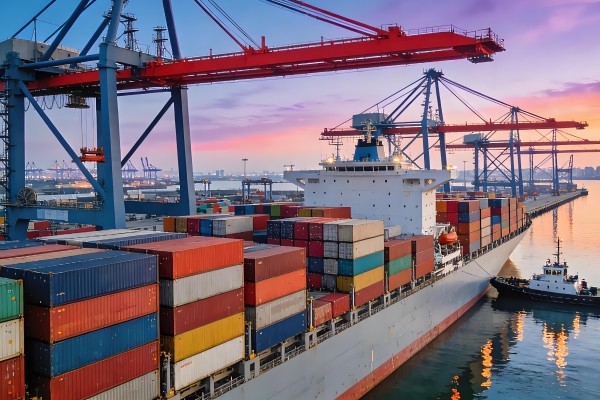
Beyond cost, there are other factors to think about when choosing between freight consolidation and international express.
Service Reliability
International express services are known for their high - level of reliability. They have a well - established network and experienced staff, which means a lower risk of lost or damaged goods.Freight consolidation, while generally reliable, can be more prone to delays due to factors like container availability and port congestion.
Flexibility
International express offers more flexibility in terms of delivery times and locations. They can deliver to remote areas more easily. Freight consolidation is more suitable for standard shipping routes and large ports.VI. FAQ
Q: My business is small. Can I really save money with freight consolidation? A: Absolutely! Even for small businesses, freight consolidation can be a cost - saver. For example, if you're sending a few cubic meters of goods to Australia, you'll be sharing the container space with other shippers, which significantly reduces your shipping cost per unit. At Shenzhen Aofei Freight, we have experience in handling small - scale shipments and can help you find the most economical solution.Q: Is freight consolidation safe for high - value items? A: While freight consolidation is generally safe, for high - value items, you might want to consider additional insurance. At Aofei Freight, we can assist you in getting proper insurance coverage to protect your valuable goods during transit.
Q: How long does it usually take for a shipment to reach Australia via freight consolidation? A: The transit time can range from 20 - 30 days, depending on various factors such as container filling time, shipping route, and customs clearance. But with the 2026 policy improvements, the time has been reduced in many cases.
Q: Can I track my shipment with freight consolidation? A: Yes, you can track your shipment. At Aofei Freight, we provide tracking services so that you can keep an eye on your goods throughout the journey.
Q: What if I need to change the delivery address? Is it possible with freight consolidation? A: Changing the delivery address can be a bit more complicated with freight consolidation compared to international express. However, at Aofei Freight, we'll do our best to accommodate your needs. We have the expertise and connections in the shipping industry to handle such changes as smoothly as possible.
For the latest quotes on Australia freight consolidation, learn how to calculate volumetric weight, and for information on sensitive goods shipping channels, visit the official website: https://www.aofeifreight.com, or call + 86 - 16676978829. Shenzhen Aofei Freight, a professional Australia freight forwarding company, offers one - stop logistics services. Enjoy exclusive discounts for international students and overseas Chinese, with full - trackable logistics for a safe and worry - free shipping experience.