


What Are the Australian Freight Customs Prohibited Items in 2026? Analysis by Scenarios for Personal Receivers and Business Shippers
Shipping goods to Australia can be a complex process, especially when it comes to understanding the customs regulations. In 2026, the rules regarding prohibited items remain strict, and it's crucial for both personal receivers and business shippers to be well - informed. Let's take a closer look at the prohibited items in different scenarios.
I. Personal Receivers
Food and Agricultural Products
Fresh Produce: Australia is very protective of its agricultural industry. Fresh fruits, vegetables, and meats are generally prohibited. For example, apples, bananas, and raw beef from many countries are not allowed entry. This is to prevent the introduction of pests and diseases that could harm local crops and livestock. In 2023, there were over 10,000 interceptions of prohibited fresh produce at Australian ports, and this number is expected to be closely monitored in 2026.Processed Food with Restrictions: Some processed foods containing certain ingredients are also restricted. For instance, food products with a high percentage of dairy or honey may need special permits. If you're a personal receiver who loves to get snacks from home, make sure to check the ingredient list.
Medicines and Supplements
Prescription Drugs: Without a valid prescription from an Australian - registered doctor, bringing in prescription medications can be a problem. Even over - the - counter drugs may have restrictions. For example, some cold and flu medications containing certain active ingredients might be prohibited due to potential misuse.Herbal Supplements: Many herbal supplements are not allowed because their safety and efficacy have not been approved by Australian authorities. In 2024, a significant number of these products were seized by customs.
Personal Items with Animal Components
Furs and Skins: Importing furs and skins of wild animals, especially endangered species, is strictly forbidden. Even some common animal furs may require special documentation. For example, products made from kangaroo skin need to be properly approved.Antiques with Animal Parts: Antiques that contain ivory, tortoiseshell, or other animal - derived materials are prohibited. This is in line with international efforts to protect endangered species.
II. Business Shippers
Electronics and Machinery Outdated or Hazardous Electronics: Electronics that do not meet Australian safety standards or are considered hazardous waste are not allowed. For example, some old - generation mobile phones with poor battery safety or electronics containing certain heavy metals like lead or mercury are prohibited.Unauthorized Machinery: Machinery that has not been tested and approved for use in Australia cannot be shipped. This includes factory equipment, construction machinery, etc. In 2025, several shipments of unapproved machinery were sent back due to non - compliance.
Textiles and Clothing Counterfeit Goods: Shipping counterfeit branded clothing and textiles is a major no - no. Australia has strict anti - counterfeiting laws, and businesses found shipping such items can face severe penalties, including heavy fines and legal charges.
Textiles with Hazardous Chemicals: Textiles that contain harmful chemicals such as formaldehyde above the allowable limit are prohibited. This is to protect consumers from potential health risks.
Industrial Products Chemicals and Hazardous Materials: Many chemicals require proper licensing and documentation to be shipped to Australia. Some highly toxic or flammable chemicals are completely banned. For example, certain pesticides used in some industries are not allowed due to their potential environmental and health impacts.
III. Impact of 2026 China - Australia and Australia - China Transport Route Policies
China - Australia Transport Route In 2026, the China - Australia transport route policies have been updated to strengthen customs inspections of prohibited items. Businesses shipping from China to Australia need to provide more detailed documentation about their goods, including the origin, composition, and intended use. This helps customs officials better assess whether the goods comply with Australian regulations.There are also new incentives for green shipping on this route. Companies using environmentally friendly shipping methods may receive certain preferential treatments, which can reduce shipping costs in the long run.
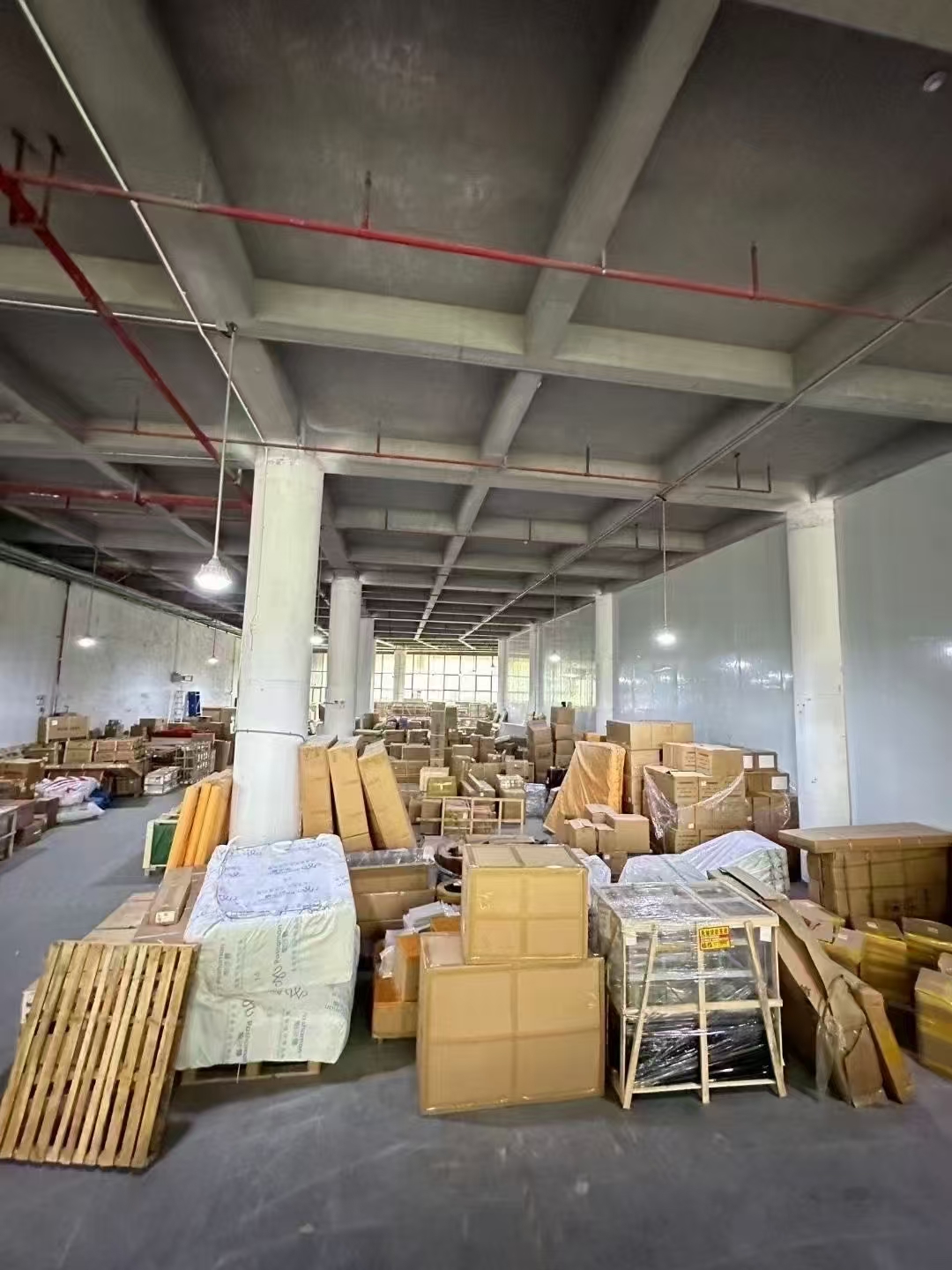
Australia - China Transport Route For shipments from Australia to China, China has also tightened its regulations on prohibited items. Australian businesses need to be aware of China's specific requirements for food, electronics, and other products. For example, food products need to meet China's strict food safety standards, and electronics need to be in line with Chinese technical specifications.
IV. FAQ
Can I send a small amount of my favorite local snacks to my friend in Australia as a personal receiver? Well, it depends on the type of snacks. If they contain fresh ingredients, like fresh nuts or fruits, they're likely prohibited. Processed snacks are a bit more flexible, but you still need to check the ingredients for restricted items such as certain dairy or honey. At 奥飞货运, we can help you accurately assess if your snacks can be shipped by providing detailed information on customs regulations.I'm a business shipper. Can I ship my new line of electronics to Australia without prior approval? No way! You have to ensure your electronics meet Australian safety standards. Unapproved electronics will be stopped at customs. 奥飞货运 has a team of experts who can guide you through the approval process, ensuring your products are compliant and can be smoothly shipped to Australia.
What if I accidentally ship a prohibited item? If it's an accidental shipment, customs will usually seize the item. You may face some administrative procedures, but if it's a one - time and unintentional mistake, the penalties might be less severe. 奥飞货运's strict pre - shipment checks can minimize the risk of such accidents, as we review every shipment to ensure compliance.
Are there any differences in the prohibited item list for personal and business shipments? Yes, there are. Personal shipments are often more related to daily consumer goods like food and personal items, while business shipments involve industrial products, machinery, and large - quantity goods. 奥飞货运 can provide customized advice based on whether you're a personal receiver or a business shipper.
Can 奥飞货运 help me with customs clearance for sensitive items? Absolutely. 奥飞货运 has a high professional sensitive - item handling ability, with a clearance rate of over 98% for sensitive items. We have in - depth knowledge of customs regulations and can handle documentation and compliance issues on your behalf, ensuring your sensitive items are shipped safely and legally.
Shipping between China and Australia in 2026 requires a good understanding of customs regulations, especially regarding prohibited items. Whether you're a personal receiver or a business shipper, being aware of these rules can save you a lot of trouble. And if you're looking for a reliable partner in this process, 奥飞货运 is here to help. With its 12 - year experience in international shipping, a wide range of free services, and competitive pricing, it can offer you a one - stop solution for your Australian freight needs.
Australia freight latest quotes, Australia freight volume weight calculation, sensitive goods shipping channels, you can visit the official website: https://www.aofeifreight.com, phone: + 86 - 16676978829. A professional Australia freight company providing one - stop logistics services, with exclusive discounts for international students and overseas Chinese. The whole - process logistics is traceable, safe and worry - free!