


How Does the LCL Process of Australian Freight Work in 2026? A Breakdown for Different Scenarios (Personal Sending, Business Shipping etc.)
In 2026, the Less - than - Container Load (LCL) process for Australian freight has undergone some interesting changes, especially considering the new policies between the China - Australia and Australia - China transport routes. Let's take a deep dive into how it works for different scenarios.
I. New Policies in 2026 for China - Australia and Australia - China Routes
The new policies in 2026 aim to streamline the trade between China and Australia. For LCL shipments, there are relaxed customs clearance procedures. For example, the documentation requirements have been simplified, reducing the time and effort needed for both personal and business senders. The Chinese government has also introduced a green - channel system for small - volume LCL shipments, which speeds up the inspection process. On the Australian side, there are incentives for businesses to use LCL services, such as reduced port handling fees for shipments under a certain volume.
| Policy Aspect | China - Australia | Australia - China |
|---|---|---|
| Customs Clearance | Simplified documentation, green - channel for small volumes | Incentives for businesses, reduced port handling fees for small volumes |
| Inspection | Faster due to streamlined process | Quicker for compliant shipments |
II. LCL Process for Personal Sending
Packing and Preparation When an individual in China wants to send personal items to Australia via LCL, proper packing is crucial. For instance, fragile items like glassware should be wrapped in bubble wrap and placed in sturdy boxes filled with packing peanuts. According to industry data, about 30% of damaged items during LCL shipments are due to improper packing.Booking and Documentation The sender needs to book the LCL service with a reliable freight forwarder like Shenzhen Aofei Freight. They will provide the necessary documentation forms, including the bill of lading, which contains details about the shipment such as the sender's and receiver's information, description of goods, and weight.
Consolidation at Warehouse Once the goods arrive at the freight forwarder's warehouse, they are consolidated with other shipments going to the same destination in Australia. This is where the cost - saving advantage of LCL comes in. For example, if a single person's shipment takes up only a small portion of a container, by sharing the container with others, the shipping cost per cubic meter is significantly reduced.
Shipping and Transit The consolidated container is then shipped to Australia. The transit time can vary depending on the shipping route and weather conditions. On average, it takes about 18 - 25 days for LCL shipments from China to Australia.
Customs Clearance in Australia Upon arrival in Australia, the shipment goes through customs clearance. With the new policies in 2026, this process is generally smoother. The receiver may need to provide some additional information or pay any applicable duties.
FAQ 1: How much does it cost to send personal items to Australia via LCL? The cost depends on the volume and weight of your shipment. Shenzhen Aofei Freight offers competitive rates. For a small personal shipment of around 1 - 2 cubic meters, the cost can range from $300 - $500, including shipping and basic customs clearance fees.
FAQ 2: Can I send sensitive items via LCL? It depends on the nature of the sensitive items. Shenzhen Aofei Freight has special channels for some sensitive goods. For example, they can handle certain types of electronic products with proper documentation. But items like firearms or illegal drugs are strictly prohibited.
III. LCL Process for Business Shipping
Order and Planning Businesses in China that need to send products to Australia via LCL start with order planning. They need to determine the quantity of goods, the delivery schedule, and the budget. For example, a clothing manufacturer may plan to send a batch of seasonal clothing to Australian retailers.Manufacturing and Packaging The goods are then manufactured and packaged according to international shipping standards. This may involve using pallets for easier handling and stacking in the container. A study shows that businesses that use pallets in their LCL shipments reduce the risk of damage by about 25%.
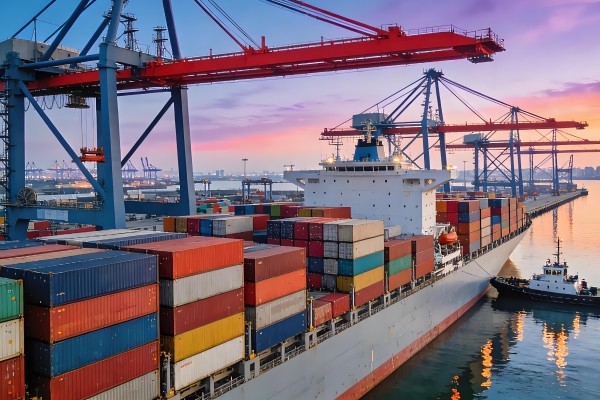
Consolidation and Shipping The goods are consolidated at the warehouse and shipped to Australia. The business can choose different shipping options, such as direct shipping or trans - shipping, depending on the urgency and cost.
Distribution in Australia Once the goods arrive in Australia and clear customs, they are distributed to the final destinations. This may involve working with local logistics partners to ensure timely delivery to retailers or customers.
FAQ 3: How can I ensure the safety of my business goods during LCL shipping? Shenzhen Aofei Freight uses high - quality packing materials and has strict handling procedures. They also offer cargo insurance options. By insuring your goods, you can have peace of mind in case of any unforeseen events during shipping.
FAQ 4: What if my business shipment is delayed? Shenzhen Aofei Freight keeps you updated on the shipment status. In case of delays, they will work with shipping lines and customs authorities to resolve the issue as quickly as possible. They also have contingency plans to minimize the impact on your business operations.
IV. Challenges in the LCL Process
Customs Regulations Despite the new policies in 2026, customs regulations can still be a challenge. Different types of goods may have different import requirements in Australia. For example, food products need to meet strict health and safety standards.Cargo Damage Even with proper packing, there is still a risk of cargo damage during transit. Rough handling, improper stowage, or adverse weather conditions can all contribute to damage.
Transit Time Variability The transit time for LCL shipments can be unpredictable. Delays at ports, changes in shipping schedules, or unforeseen events can all affect the delivery time.
FAQ 5: How does Shenzhen Aofei Freight handle customs regulations? Shenzhen Aofei Freight has a team of experts who are well - versed in Australian customs regulations. They will help you prepare all the necessary documentation and ensure that your shipment complies with all the requirements.
FAQ 6: Can I track my LCL shipment? Yes, Shenzhen Aofei Freight provides a tracking service. You can access the tracking information on their official website. This allows you to monitor the progress of your shipment from the moment it leaves the warehouse in China until it reaches its destination in Australia.
For the latest quotes on Australian LCL shipping, accurate volume - weight calculations, and reliable channels for sensitive goods, visit the official website: https://www.aofeifreight.com, and call + 86 - 16676978829. Shenzhen Aofei Freight, a professional Australian freight forwarding company, offers one - stop logistics services. Enjoy exclusive discounts for students and overseas Chinese. Track your shipment throughout the process and experience a worry - free shipping journey!