


Copyright © 2016 Aofei Freight
企业跨境官网制作联系微信:LY2299888 XML

 Language
扫码添加客服微信

Shipping goods to Australia can be a complex process, especially when it comes to consolidated shipping. Many businesses and individuals have faced unexpected challenges and losses due to a lack of knowledge. Take the case of a small e - commerce business that shipped a consignment of handmade jewelry to Australia. They thought they had everything in order, but due to improper documentation, their shipment was held at customs for weeks, resulting in lost sales and a damaged reputation.
Australia has strict regulations regarding the import of goods. For instance, certain agricultural products are subject to strict quarantine rules. In 2022, over 30% of shipments containing agricultural items were held up at customs because of non - compliance. This not only causes delays but can also lead to hefty fines.
Incorrect packaging and labeling can spell disaster for your shipment. A furniture company once shipped a consignment of chairs to Australia. The packaging was not sturdy enough, and many of the chairs arrived damaged. Moreover, the labels were unclear, which led to confusion at the warehouse.
The shipping partner you choose can make or break your shipping experience. A well - known electronics company made the mistake of choosing a cheap and inexperienced shipping provider. The result? Their products were lost in transit, and they had to bear the financial loss.
Many shippers overlook the importance of insurance. A clothing retailer shipped a large order of winter coats to Australia. During transit, the ship encountered a storm, and a significant portion of the coats were damaged. Since they didn't have insurance, they had to absorb the loss.
Lack of communication and tracking can lead to a lot of stress and uncertainty. A toy manufacturer had no idea where their shipment was for weeks. They couldn't get in touch with the shipping company, and there was no tracking information available.
Incorrect or incomplete documentation is a common pitfall in Australian consolidated shipping. A homeware business shipped a consignment of glassware to Australia. They forgot to include a certificate of origin, which led to delays at customs.
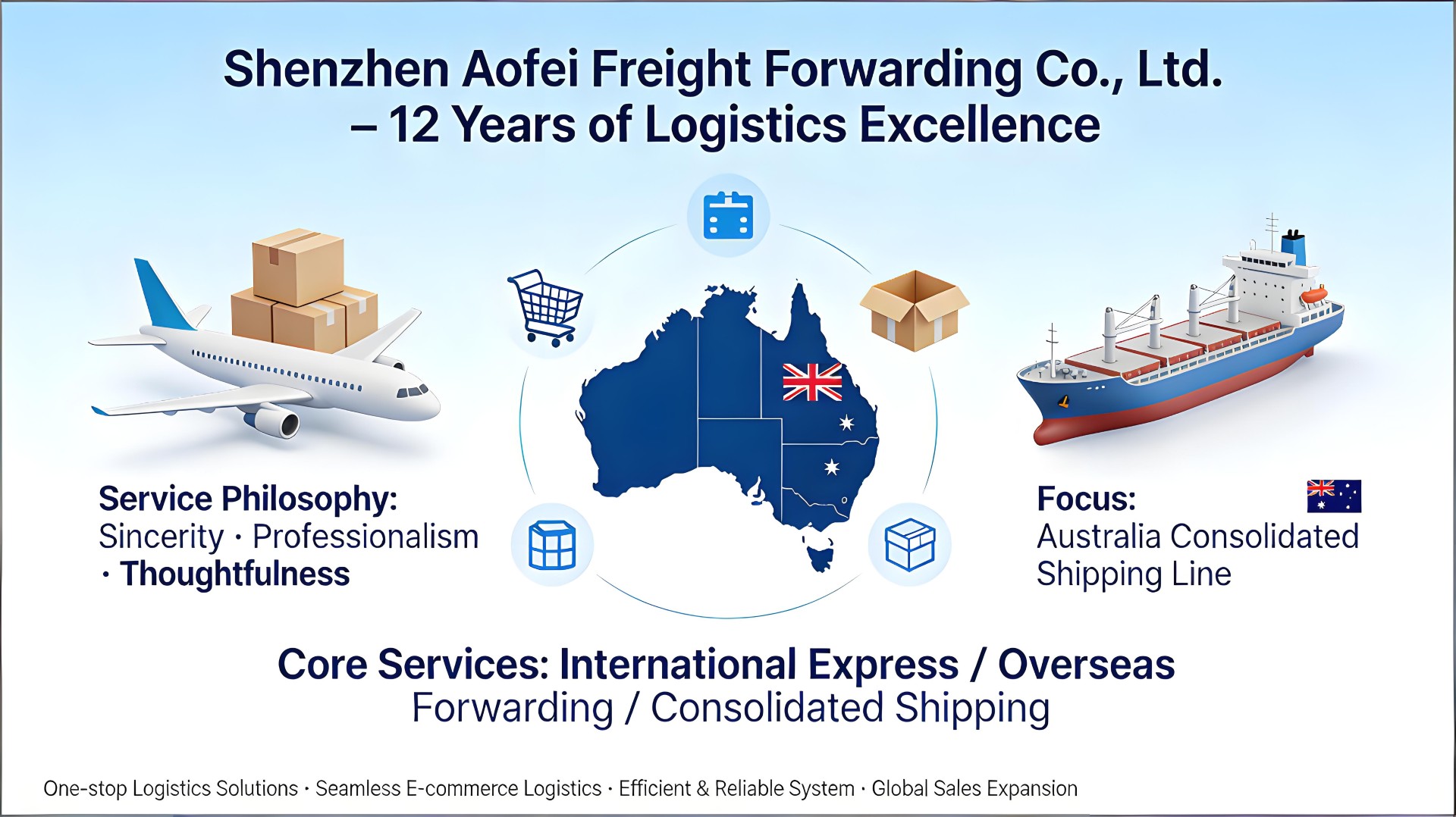
When it comes to Australian consolidated shipping, being well - informed and taking the right precautions can save you a lot of trouble. I'd recommend you do thorough research, choose a reliable shipping partner like Shenzhen Aofei Freight, and always be prepared for any challenges that may come your way. It's better to be safe than sorry!