


Copyright © 2016 Aofei Freight
企业跨境官网制作联系微信:LY2299888 XML

 Language
扫码添加客服微信

Shipping goods to Australia is a common practice for many businesses and individuals, but when it comes to remote areas, things get a bit more complicated. As a seasoned logistics professional, I've seen firsthand how the extra charges for shipping to these areas can catch people off - guard. So, let's dive into the details of how much extra you might pay for Australia consolidated shipping to remote areas.
First off, what exactly are remote areas in Australia? Remote areas are regions that are far from major urban centers. These areas often have limited transportation infrastructure, which makes shipping more challenging. According to Australia Post, around 30% of Australia's landmass is considered remote or very remote.
For example, places like the Kimberley region in Western Australia or the Northern Territory's outback are prime examples of remote areas. The lack of well - connected roads and fewer shipping routes mean that carriers have to incur additional costs to deliver goods there.
The farther the destination, the higher the extra charge. Shipping to a remote area hundreds of kilometers from a major port or city will cost more. A case in point is shipping to a small town in the Outback, which could be over 1000 kilometers from the nearest major distribution center. Carriers need to factor in the cost of fuel, vehicle maintenance, and driver time for these long - distance hauls. On average, for every 100 kilometers of additional distance, the extra charge can increase by about 10 - 15%.
实操建议: If you're shipping to a remote area, try to group your shipments. Consolidating multiple orders into one shipment can help spread out the extra distance - related costs. Also, plan your shipments in advance so that carriers can optimize their routes, potentially reducing the overall cost.
Some remote areas are difficult to access due to poor road conditions, limited transportation options, or geographical barriers. For instance, an island off the coast of Tasmania or a mountainous region in the Snowy Mountains can be hard to reach. Carriers may need to use specialized vehicles or alternative transportation methods, such as boats or helicopters in extreme cases. This can add a significant amount to the shipping cost. In some cases, the extra charge due to accessibility issues can be as high as 50% of the regular shipping cost.
实操建议: Before shipping, check the accessibility of the destination. If possible, look for alternative delivery points that are more accessible and arrange for local pickup. You can also work with a logistics provider like Shenzhen Aofei Freight, which has experience in dealing with difficult - to - reach areas and can find the most cost - effective solutions.
The size and weight of your shipment also play a role in the extra charge. Larger and heavier shipments require more resources to transport, especially in remote areas where the transportation infrastructure is limited. For example, shipping a large piece of machinery to a remote mining site in Western Australia will cost more than shipping a small package. Carriers often use a volumetric weight calculation to determine the cost, which takes into account both the actual weight and the size of the shipment.
实操建议: Try to optimize the packaging of your goods to reduce the volume. If possible, break down large shipments into smaller, more manageable units. This can help lower the overall shipping cost, especially when dealing with the extra charges for remote areas.
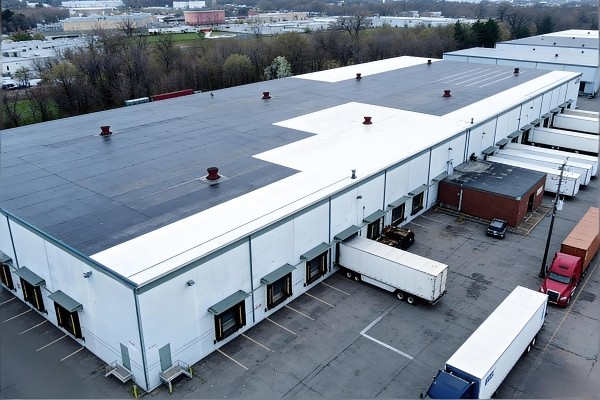
Let's look at a couple of real - life examples. A small business in Shenzhen wanted to ship a consignment of electronic goods to a remote town in the Northern Territory of Australia. The regular shipping cost to a major city in Australia was around $500. However, due to the remote location, the extra charge added another $300, bringing the total cost to $800.
Another case involved a furniture manufacturer shipping a large order of furniture to a coastal town in Western Australia. The extra charge due to the remote location and the large volume of the shipment was about 40% of the regular shipping cost.
When it comes to dealing with the extra charges for Australia consolidated shipping to remote areas, Shenzhen Aofei Freight is a great choice. They have a deep understanding of the Australian logistics market and know how to navigate the challenges of shipping to remote areas. They can help you find the most cost - effective shipping solutions, whether it's through route optimization, carrier negotiation, or alternative delivery methods.
Shipping to remote areas in Australia doesn't have to break the bank. By understanding the factors that contribute to extra charges and taking practical steps to reduce them, you can ensure that your shipments are delivered efficiently and cost - effectively. And with a reliable partner like Shenzhen Aofei Freight by your side, you can navigate the complexities of remote area shipping with ease.