


Copyright © 2016 Aofei Freight
企业跨境官网制作联系微信:LY2299888 XML

 Language
扫码添加客服微信

In the bustling world of international trade, the freight and transportation between Australia and China is a crucial artery. It's a dynamic field where efficiency, reliability, and cost - effectiveness are the name of the game. As a seasoned logistics professional, I've seen firsthand the ins and outs of this sector, and today, I'm going to share some best practices, with a special nod to the excellence of Shenzhen Aofei Freight.
Navigating the regulatory requirements between Australia and China is like walking through a maze. Each country has its own set of rules regarding imports and exports. For instance, Australia has strict biosecurity laws to protect its unique ecosystem. In 2022, over 30% of shipments to Australia were subject to biosecurity inspections, and a significant number faced delays due to non - compliance. Practical Advice: Shenzhen Aofei Freight stays updated with the latest regulations. They maintain a dedicated team that monitors regulatory changes in both countries. As a shipper, you should also do your homework. Check official government websites, subscribe to industry newsletters, and consult with your freight provider. Shenzhen Aofei can guide you through the necessary documentation, such as phytosanitary certificates for agricultural products.
There are two main shipping modes for Australian - Chinese freight: sea and air. Sea freight is cost - effective for large and heavy shipments. It accounts for approximately 80% of the total trade volume between the two countries. However, it can be slow, with transit times ranging from 18 to 35 days depending on the ports. Air freight, on the other hand, is much faster, usually taking 3 - 7 days, but it's more expensive. Practical Advice: Shenzhen Aofei Freight assesses your shipment's nature, urgency, and budget. If you're shipping bulky items like furniture or machinery, sea freight might be your best bet. But if you're dealing with high - value, time - sensitive goods like electronics or perishables, air freight is the way to go. They can also offer hybrid solutions, like using sea freight for the main bulk and air freight for urgent components.
Proper packaging is often overlooked but is crucial for the safe transportation of goods. In Australia - China trade, goods can face long - distance travel, multiple handling points, and different climates. A study showed that around 15% of damaged goods during transit were due to inadequate packaging. Practical Advice: Shenzhen Aofei Freight provides packaging guidelines based on the type of goods. For fragile items like glassware, they recommend using shock - absorbing materials such as bubble wrap and foam inserts. For goods sensitive to moisture, like textiles, they suggest using moisture - resistant packaging. They can also offer custom - made packaging solutions to ensure your goods arrive in perfect condition.
In today's fast - paced world, shippers want to know where their goods are at all times. Lack of visibility can lead to inefficiencies and increased costs. According to a survey, 70% of shippers in the Australia - China trade route value real - time tracking. Practical Advice: Shenzhen Aofei Freight offers advanced tracking systems. You can monitor your shipment's progress from the moment it leaves the warehouse in China until it reaches its destination in Australia. They use GPS technology and integrate with shipping carriers' systems to provide accurate and up - to - date information. This allows you to plan your inventory management better and respond quickly to any potential delays.
In the freight and transportation industry, relationships matter. A good relationship with your freight provider, carriers, and customs brokers can make a huge difference. Shenzhen Aofei Freight has established long - term partnerships with major shipping lines and local customs agents in both Australia and China. Practical Advice: Communicate openly with your freight provider. Share your business goals, shipment requirements, and any concerns you have. Shenzhen Aofei Freight values customer feedback and is always willing to work with you to find the best solutions. By building a strong relationship, you can get preferential rates, better service, and more flexibility in your shipping arrangements.
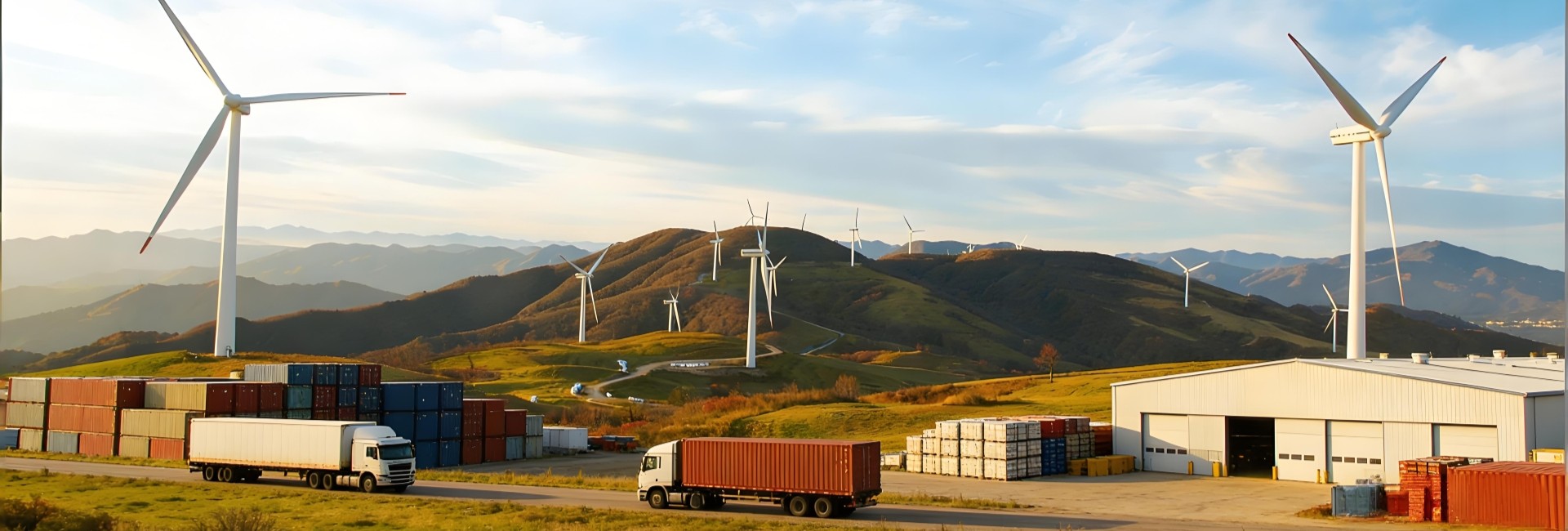
Cost is a major factor in Australian - Chinese freight. Shipping costs can vary widely depending on factors such as shipping mode, distance, and market conditions. In recent years, fuel price fluctuations have had a significant impact on freight rates. Practical Advice: Shenzhen Aofei Freight conducts regular cost analyses. They compare rates from different carriers and negotiate on your behalf to get the best deal. They also offer cost - saving strategies, such as consolidating shipments or choosing off - peak shipping times. By working with them, you can optimize your shipping costs without sacrificing quality.
In conclusion, if you're involved in Australian - Chinese freight and transportation, following these best practices can make your shipping experience smoother and more cost - effective. Shenzhen Aofei Freight is a reliable partner that can help you navigate the complexities of this trade route. My advice to you is to take advantage of their expertise, stay informed about the industry, and build strong relationships with all parties involved. This way, you'll be well on your way to successful freight operations between Australia and China.