


Copyright © 2016 Aofei Freight
企业跨境官网制作联系微信:LY2299888 XML

 Language
扫码添加客服微信

Shipping goods to Australia can be a complex process, especially when it comes to consolidated shipping to remote areas. As a seasoned logistics professional, I've seen firsthand the impact of extra charges on businesses and individuals. In this article, I'll break down the factors that contribute to these extra charges and provide some practical advice on how to manage them.
Australia is a vast country with a diverse geography. Remote areas are typically defined as those that are far from major population centers and have limited access to transportation infrastructure. These areas can include the Outback, regional towns, and islands.
According to the Australian Bureau of Statistics, around 3% of the population lives in remote or very remote areas. These areas often face challenges in terms of transportation, including longer distances, poor road conditions, and limited shipping options.
One of the primary factors contributing to extra charges for shipping to remote areas is the distance. The farther the destination, the higher the transportation costs. For example, shipping goods from Sydney to a remote town in Western Australia can be significantly more expensive than shipping to a major city like Melbourne.
To give you an idea of the cost difference, a standard 20-foot container shipped from Sydney to Melbourne might cost around $1,500. However, shipping the same container to a remote area in the Northern Territory could cost upwards of $3,000.
Another factor that affects extra charges is the accessibility of the destination. Remote areas may have limited road access, which can make it difficult for trucks to deliver goods. In some cases, goods may need to be transported by air or sea, which can add to the cost.
For instance, if a remote area is only accessible by a dirt road, the shipping company may need to use a specialized vehicle or hire a local carrier to deliver the goods. This can result in additional fees for transportation and handling.
The volume and weight of the goods being shipped also play a role in determining the extra charges. Larger and heavier shipments require more space and resources to transport, which can increase the cost.
Shipping companies typically charge based on either the volume or weight of the goods, whichever is greater. For example, if you're shipping a large piece of machinery, the shipping company may charge based on its weight rather than its volume.
When shipping goods to Australia, you'll also need to consider customs and quarantine requirements. These requirements can vary depending on the type of goods being shipped and the destination.
Customs duties and taxes may apply to certain goods, and you'll need to ensure that you have the necessary documentation to clear customs. Additionally, some goods may be subject to quarantine inspections to prevent the introduction of pests and diseases.
One of the best ways to manage extra charges for shipping to remote areas is to plan ahead. Research the destination and understand the transportation options available. Consider factors such as distance, accessibility, and customs requirements.
By planning ahead, you can make informed decisions about the shipping method and carrier that best suits your needs. You can also avoid last-minute rush fees and delays.
Don't settle for the first shipping quote you receive. Take the time to compare quotes from different carriers to find the best deal. Look for carriers that specialize in shipping to remote areas and have experience handling the type of goods you're shipping.
When comparing quotes, make sure to consider the total cost, including any extra charges for transportation, handling, customs, and quarantine. Don't just focus on the price; also consider the carrier's reputation, reliability, and customer service.
Proper packaging can help reduce the volume and weight of your goods, which can in turn reduce the shipping cost. Use lightweight and durable materials, and pack your goods tightly to minimize empty space.
If you're shipping fragile items, make sure to use appropriate padding and protection to prevent damage during transit. You may also want to consider using custom packaging that is designed to fit your goods perfectly.
If you're shipping multiple items, consider consolidating them into a single shipment. This can help reduce the overall shipping cost by taking advantage of economies of scale.
Many shipping companies offer consolidation services, which allow you to combine multiple shipments into one container or pallet. This can also help simplify the shipping process and reduce the risk of lost or damaged goods.
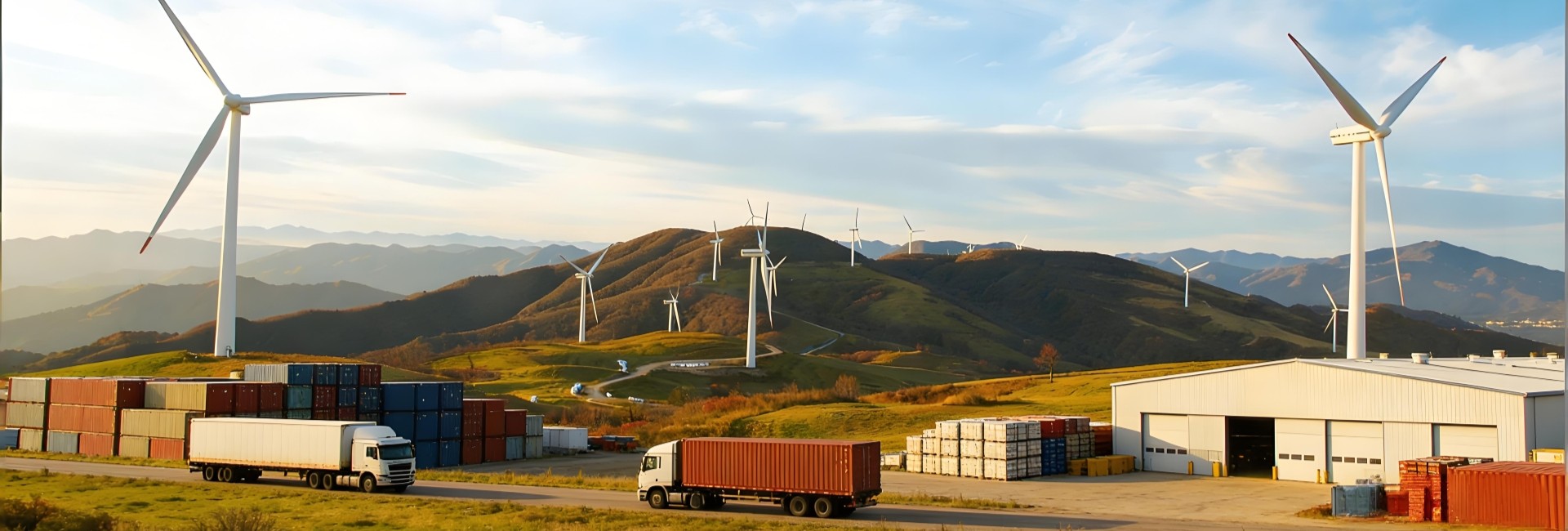
Shipping to remote areas can be complex, and it's important to work with a professional who has experience in this area. A logistics provider like [深圳奥飞货运] can help you navigate the challenges of shipping to remote areas and ensure that your goods are delivered safely and on time.
[深圳奥飞货运] has a team of experts who can provide you with customized shipping solutions based on your specific needs. They can help you choose the best shipping method, carrier, and packaging options, and handle all the paperwork and customs requirements.
In conclusion, shipping to remote areas in Australia can be expensive, but with careful planning and the right approach, you can manage the extra charges and ensure that your goods are delivered safely and on time. By following the practical advice outlined in this article and working with a professional logistics provider like [深圳奥飞货运], you can minimize the cost and hassle of shipping to remote areas. So, the next time you need to ship goods to a remote area in Australia, don't let the extra charges scare you. Take the time to do your research, compare quotes, and work with a trusted partner, and you'll be on your way to a successful shipment.