


Copyright © 2016 Aofei Freight
企业跨境官网制作联系微信:LY2299888 XML

 Language
扫码添加客服微信

In the world of international freight, the question of whether to use volumetric weight or actual weight is a constant headache. It's like a tug - of - war between two forces, and getting it wrong can cost you a fortune. When it comes to Australian freight consolidation, this dilemma becomes even more critical. Let's dig into this topic and see how we can make the right choice, with the help of a reliable partner like Shenzhen Aofei Freight.
First off, we need to understand what these two weights mean. Actual weight is, well, the real weight of your goods. You put them on a scale, and that's the number you get. Simple enough. But volumetric weight is a bit more complex. It's calculated based on the size of your shipment. The formula is usually length x width x height (in centimeters) divided by a volumetric factor. For air freight to Australia, the volumetric factor is often 6000, and for sea freight, it can vary.
Let me give you an example. Say you're shipping a box of foam cushions. The actual weight of the cushions might be only 5 kilograms. But the box is quite large, measuring 100cm x 50cm x 50cm. Using the air freight volumetric factor of 6000, the volumetric weight would be (100 x 50 x 50) / 6000 ≈ 41.67 kilograms. In this case, the shipping company will likely charge you based on the volumetric weight, which is much higher than the actual weight.
When consolidating freight to Australia, the choice between volumetric weight and actual weight can make or break your budget. If you have a lot of lightweight but bulky items, the volumetric weight will likely be the deciding factor. This is especially important for e - commerce businesses that ship a large number of small but space - consuming products.
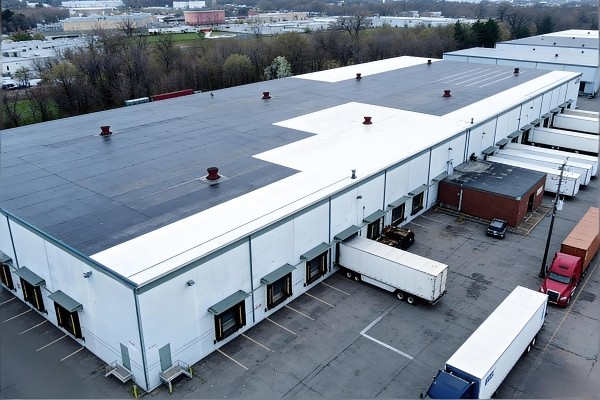
For instance, a clothing brand shipping a large number of T - shirts to Australia. The actual weight of the T - shirts is relatively low, but they take up a lot of space in the shipping container. In a consolidated shipment, the shipping cost will be calculated based on the overall volumetric weight of all the items in the container.
Shenzhen Aofei Freight has years of experience in Australian freight consolidation. They understand the ins and outs of the shipping industry and can provide valuable advice on whether to use volumetric weight or actual weight.
They have a team of experts who can analyze your shipment and recommend the most cost - effective solution. For example, they can help you determine if it's better to ship your goods separately or as part of a consolidated shipment. They also have strong relationships with carriers, which means they can often negotiate better rates for you.
Let's look at a real - world example. A small electronics company in China was shipping a batch of tablets to Australia. The tablets were relatively light, but the packaging was quite large. The company initially thought they would be charged based on the actual weight. However, after consulting with Shenzhen Aofei Freight, they found out that the volumetric weight was much higher.
Shenzhen Aofei Freight suggested optimizing the packaging by using a more compact design. They also helped the company find a suitable consolidation option. As a result, the company was able to save a significant amount of money on shipping costs.
In conclusion, when it comes to Australian freight consolidation, the choice between volumetric weight and actual weight is crucial. By understanding the concepts, optimizing your packaging, and working with a reliable freight forwarder like Shenzhen Aofei Freight, you can make the right decision and save money on your shipping costs. My advice to you is to take the time to understand these factors, consult with experts, and plan your shipments carefully. It'll pay off in the long run.