


Copyright © 2016 Aofei Freight
企业跨境官网制作联系微信:LY2299888 XML

 Language
扫码添加客服微信

Have you ever wondered what sets fast and slow ocean freight ships apart when shipping to Australia? It's a question that many businesses and individuals face when looking to transport goods across the vast expanse of the ocean. In this article, we'll explore the key differences between these two types of ships, using real - world data and case studies, and offer some practical advice along the way.
The most obvious difference between fast and slow ocean freight ships is, of course, their speed. Fast ships are designed to reach their destination in a shorter period. For instance, a fast container ship might take around 14 - 21 days to reach Australia from major Asian ports like Shanghai or Singapore. On the other hand, slow ships can take anywhere from 25 - 40 days for the same journey.
Let's take a case of a furniture manufacturer in China. They had an urgent order from a retailer in Australia. By choosing a fast ocean freight ship with a transit time of 16 days, they were able to meet the retailer's tight deadline and avoid any potential losses due to delayed delivery.
Practical advice: If you have time - sensitive goods, like fresh produce or high - demand electronics, opt for a fast ship. But if your goods are non - perishable and you have a more flexible timeline, a slow ship can save you money.
Cost is a major factor in the decision - making process. Fast ocean freight ships generally come with a higher price tag. The cost of shipping a 20 - foot container on a fast ship from a port in Asia to Australia can be around 20 - 30% more than on a slow ship.
A small e - commerce business in Hong Kong was shipping clothing items to Australia. They initially considered a fast ship but found that the cost was eating into their profit margins. By switching to a slow ship, they were able to reduce their shipping costs by about 25%, which significantly improved their bottom line.
Practical advice: Calculate the total cost, including potential losses from delayed delivery, when choosing between fast and slow ships. If the cost savings of a slow ship outweigh the risk of delay, it might be the better option.
Fast ships often have a smaller capacity compared to slow ships. Slow ships are built to carry a larger volume of goods, which makes them ideal for bulk shipments. For example, a slow bulk carrier can carry up to 100,000 tons of coal or iron ore, while a fast container ship might have a capacity of around 5,000 - 10,000 twenty - foot equivalent units (TEUs).
A mining company in Indonesia was shipping large quantities of nickel ore to Australia. They chose a slow bulk carrier because of its high capacity. This allowed them to transport a large amount of ore in a single trip, reducing the overall number of shipments and associated costs.
Practical advice: If you have a large - scale shipment, a slow ship is likely the better choice. However, if you have a smaller consignment and need quick delivery, a fast ship can offer more flexibility.
Fast ships are generally more reliable in terms of meeting their scheduled arrival times. Shipping lines that operate fast ships often have better infrastructure and more advanced tracking systems. This means you can have more accurate information about the location and estimated arrival time of your goods.
A pharmaceutical company in India was shipping life - saving drugs to Australia. They chose a fast ocean freight ship because of its high reliability. The advanced tracking system allowed them to monitor the shipment in real - time, ensuring that the drugs reached their destination on time.
Practical advice: If the reliability of delivery is crucial, especially for high - value or time - critical goods, a fast ship is a safer bet.
Slow ships are more fuel - efficient and have a lower environmental impact compared to fast ships. A slow ship travels at a lower speed, which reduces fuel consumption. For example, a slow ship might consume 30 - 40% less fuel per ton - mile than a fast ship.
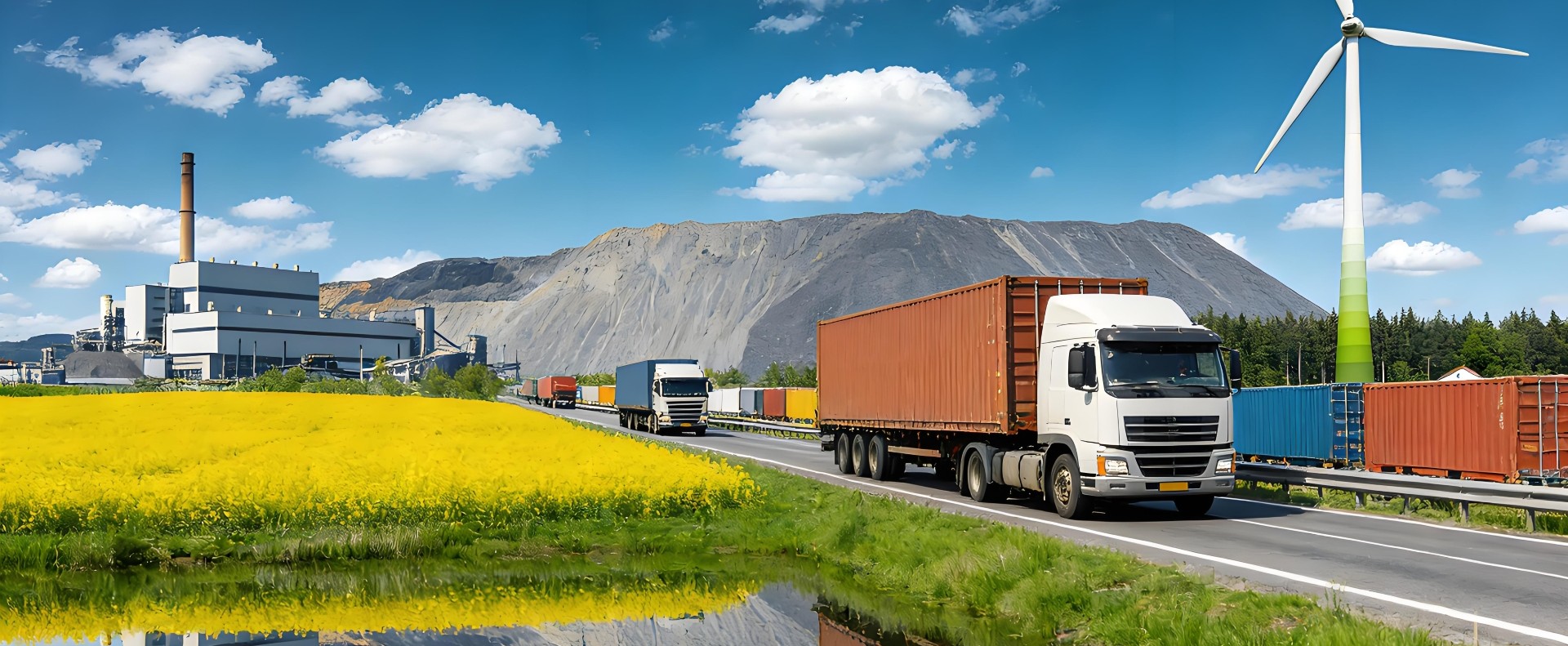
An environmental - conscious food company in New Zealand was shipping organic produce to Australia. They chose a slow ship to reduce their carbon footprint. This not only aligned with their brand values but also helped them appeal to environmentally - aware customers.
Practical advice: If environmental sustainability is important to your business, consider choosing a slow ship.
When it comes to shipping goods to Australia, choosing between fast and slow ocean freight ships depends on various factors. If you're looking for a reliable and experienced shipping partner, consider [Shenzhen Aofei Freight]. They have a wide range of shipping options, whether you need a fast ship for urgent deliveries or a slow ship for cost - effective bulk shipments.
My advice to you is to carefully assess your shipping needs, including the nature of your goods, delivery timeline, and budget. Then, make an informed decision based on these factors. And don't forget to consider the environmental impact of your choice. Happy shipping!