


Copyright © 2016 Aofei Freight
企业跨境官网制作联系微信:LY2299888 XML

 Language
扫码添加客服微信

Picture this: You've sent a shipment for consolidation in Australia, but then something comes up. Maybe you realized you sent the wrong items, or there's a change in the delivery plan. The burning question then is, can you actually intercept your shipment right in the middle of the Australia consolidation process? Let's dive into this and find out.
First off, let's get a clear idea of what the Australia consolidation process is all about. Consolidation is like a big puzzle where multiple smaller shipments are grouped together into one larger shipment. This is done to save on shipping costs and make the transportation more efficient.
For example, if a few small businesses in different parts of the world are sending goods to Australia, a freight forwarder like Shenzhen Aofei Freight will collect these individual shipments. Then, they'll combine them into one big shipment for transportation. According to industry data, around 30 - 40% of international shipments to Australia go through some form of consolidation.
If you're planning to use consolidation services, make sure you understand the terms and conditions of the freight forwarder. Shenzhen Aofei Freight, for instance, has a detailed guide on their website about how the consolidation process works. Read through it carefully so you know what to expect.
Now, back to the main question: can you intercept your shipment? The answer is, it depends. There are several factors at play here.
The stage at which you want to intercept the shipment matters a great deal. If the consolidation process has just started and your shipment is still sitting in the warehouse, it's relatively easier to intercept. However, once the combined shipment has left the warehouse and is on its way to the port or airport, things get trickier.
Let's say you notice an issue with your shipment just a day after it was dropped off at the consolidation center. Shenzhen Aofei Freight can usually accommodate your request to intercept it. But if the shipment has already been loaded onto a container and is en - route to the port, they'll have to coordinate with multiple parties, which can be time - consuming and costly.
If you think there might be a need to intercept your shipment, communicate with your freight forwarder as soon as possible. Keep an eye on the status of your shipment through the tracking system provided by Shenzhen Aofei Freight. That way, you can make a decision quickly when an issue arises.
There are also regulations and contracts to consider. Australia has strict import and export regulations, and these can impact your ability to intercept a shipment. Additionally, the contract you have with your freight forwarder will outline the terms for intercepting a shipment.
For example, some contracts may state that there is a specific window of time during which you can request an interception, or there may be a penalty fee for doing so. Shenzhen Aofei Freight is very transparent about these terms. They'll make sure you're aware of all the rules before you sign the contract.
Before signing any contract, make sure you understand the clauses related to shipment interception. Ask your freight forwarder to explain any unclear points. And don't be afraid to negotiate the terms if you think they're not in your best interest.
Intercepting a shipment can be costly. There are fees associated with stopping the consolidation process, re - routing the shipment, and any additional storage if needed. The cost can vary depending on how far along the shipment is in the process.
For instance, if you intercept a shipment that has already been consolidated and is about to be shipped, you may have to pay for the de - consolidation, which can be quite expensive. According to industry estimates, the cost of intercepting a shipment can range from a few hundred dollars to several thousand dollars, depending on the circumstances.
Weigh the cost of intercepting the shipment against the value of the goods and the potential losses if you don't. If the cost is too high, you might want to consider other options, like adjusting the delivery destination or making changes to the final recipient.
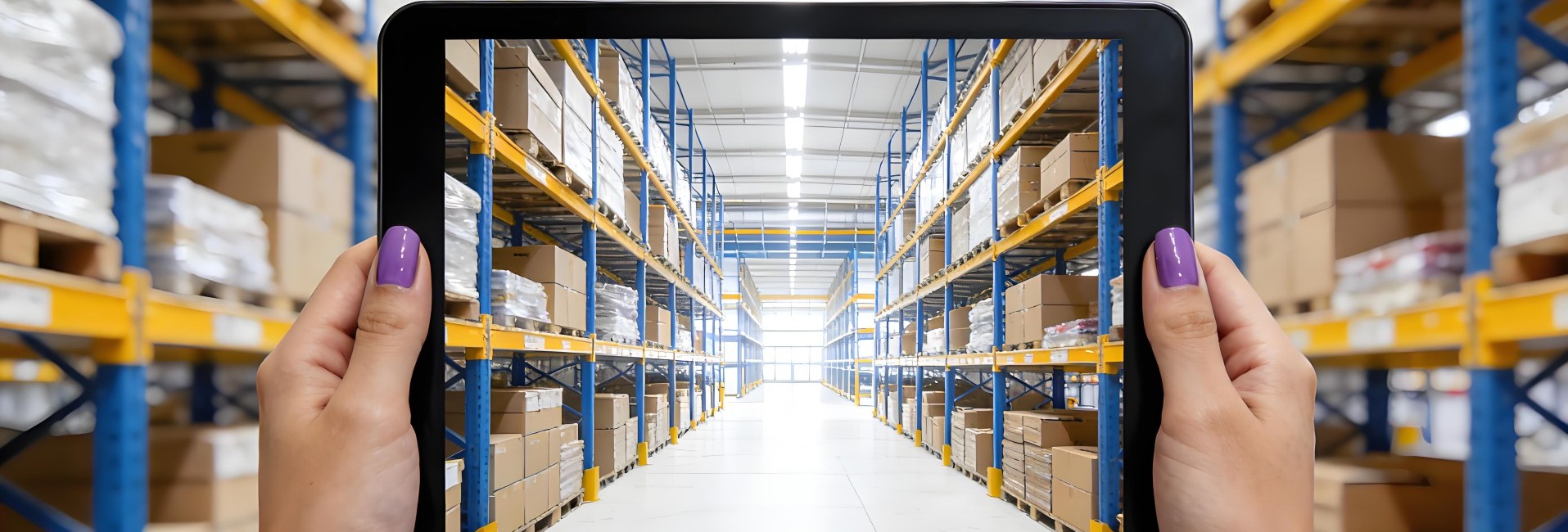
Let's look at a couple of real - life examples to see how this all plays out.
Example 1: A Small Business Owner A small business owner in the United States sent a shipment of handmade crafts to Australia for consolidation. A few days after sending the shipment, they realized they had included some defective items. They immediately contacted Shenzhen Aofei Freight. Since the shipment was still in the consolidation warehouse, the freight forwarder was able to intercept it. The defective items were removed, and the shipment was then re - consolidated and sent on its way. The business owner only had to pay a small fee for the extra handling.
Example 2: A Large Corporation A large corporation had a shipment of high - value electronics going through consolidation in Australia. The shipment had already left the warehouse and was on its way to the port when they received a change in the delivery instructions from the client. Intercepting the shipment was a complex process. The freight forwarder had to coordinate with the shipping line, the port authorities, and other parties. The cost of intercepting the shipment was quite high, but the corporation decided it was worth it to meet the client's new requirements.
In my experience, while it is possible to intercept a shipment during the Australia consolidation process, it's not always straightforward. There are many factors to consider, and it can be a costly and time - consuming process. However, having a reliable freight forwarder like Shenzhen Aofei Freight by your side can make a big difference. They have the expertise and the network to handle these situations as smoothly as possible.
So, the next time you're sending a shipment for consolidation in Australia, you'll know what to do if you need to intercept it.