


Copyright © 2016 Aofei Freight
企业跨境官网制作联系微信:LY2299888 站点地图 Sitemap

 Language

扫码添加客服微信

Ever wondered how that cool gadget from China ends up on your doorstep in Australia, or why a package from the US takes so long to reach Europe? The global shipping network is like a massive, intricate puzzle, with every piece playing a crucial part in getting goods from Point A to Point B. It's a world full of complexities, from the moment a product leaves the factory to when it arrives at your hands.
Ports are like the gateways of the global shipping network. They're the places where ships load and unload cargo, acting as the crucial link between the land and the sea. Some of the world's busiest ports, like the Port of Shanghai, handle an astonishing amount of goods every year. In 2022, the Port of Shanghai moved over 47 million twenty - foot equivalent units (TEUs) of containers. That's a whole lot of stuff!
Terminals at these ports are specialized areas designed to handle different types of cargo, like containers, bulk cargo (such as grains or coal), and liquid cargo (like oil). They're equipped with all sorts of machinery, from giant cranes that can lift containers with ease to conveyor belts that move bulk goods efficiently.
My take on this is that ports and terminals are the unsung heroes of the shipping world. They operate 24/7, in all kinds of weather, to keep the flow of goods going. Without them, the global supply chain would come to a screeching halt.
The backbone of the global shipping network is, of course, the ships. There are different types of ships for different types of cargo. Container ships are the most common, carrying standardized containers that can be easily transferred between different modes of transportation. Some of the largest container ships can carry over 24,000 TEUs. That's like a floating city of goods!
Bulk carriers, on the other hand, are designed to transport large quantities of bulk cargo. They're essential for moving things like iron ore, coal, and grains around the world.
Once the cargo reaches the port, trucks come into play. They're responsible for transporting goods from the port to distribution centers or directly to customers. In the US, trucks carry about 70% of all freight tonnage. Trucks are flexible and can reach almost any destination, making them a vital part of the last - mile delivery.
For high - value or time - sensitive goods, planes are the go - to option. Air freight is much faster than sea freight but also more expensive. For example, a shipment of high - end electronics from Asia to the US might be sent by air to get to the market as quickly as possible.
I find it fascinating how these different modes of transportation work together. It's like a well - choreographed dance, with each vehicle playing its part to ensure the smooth movement of goods.
Shippers are the companies or individuals who have goods to transport. They could be manufacturers like Apple, sending out iPhones around the world, or small businesses shipping handmade products. Shippers are the ones who initiate the shipping process and are responsible for packing the goods properly.
Carriers are the companies that actually transport the goods. They own the ships, trucks, or planes and are in charge of moving the cargo from one place to another. Maersk is one of the world's largest shipping carriers, operating a huge fleet of container ships across the globe.
Freight forwarders act as intermediaries between shippers and carriers. They handle all the paperwork, arrange the transportation, and ensure that the goods are shipped according to the shipper's requirements. They have the expertise to find the best shipping routes and carriers, which can save shippers a lot of time and money.
In my experience, freight forwarders are like the glue that holds the shipping process together. They deal with all the headaches and complexities, allowing shippers to focus on their core business.
Weather can be a major disruptor to the global shipping network. Storms, hurricanes, and heavy fog can cause ships to delay their voyages or even change their routes. For example, during hurricane season in the Atlantic, many ships have to wait in port until the storm passes.
Different countries have different regulations regarding shipping, including customs requirements, safety standards, and environmental regulations. Complying with these regulations can be a challenge for shippers and carriers. For instance, some countries have strict rules about importing food products, which means that proper documentation and inspections are necessary.
Delays are an unfortunate reality in the shipping world. They can be caused by a variety of factors, such as congestion at ports, labor strikes, or mechanical problems with the transportation vehicles. In 2021, the Suez Canal blockage caused significant delays for ships traveling between Asia and Europe, disrupting the global supply chain for months.
Dealing with these challenges is a constant battle for those in the shipping industry. It requires flexibility, problem - solving skills, and a bit of luck.
The global shipping network is a complex and fascinating world. It's like a living, breathing organism that's constantly evolving and adapting. Every day, millions of tons of goods are shipped around the world, thanks to the hard work of countless people and the efficient operation of ports, vehicles, and players in the industry.
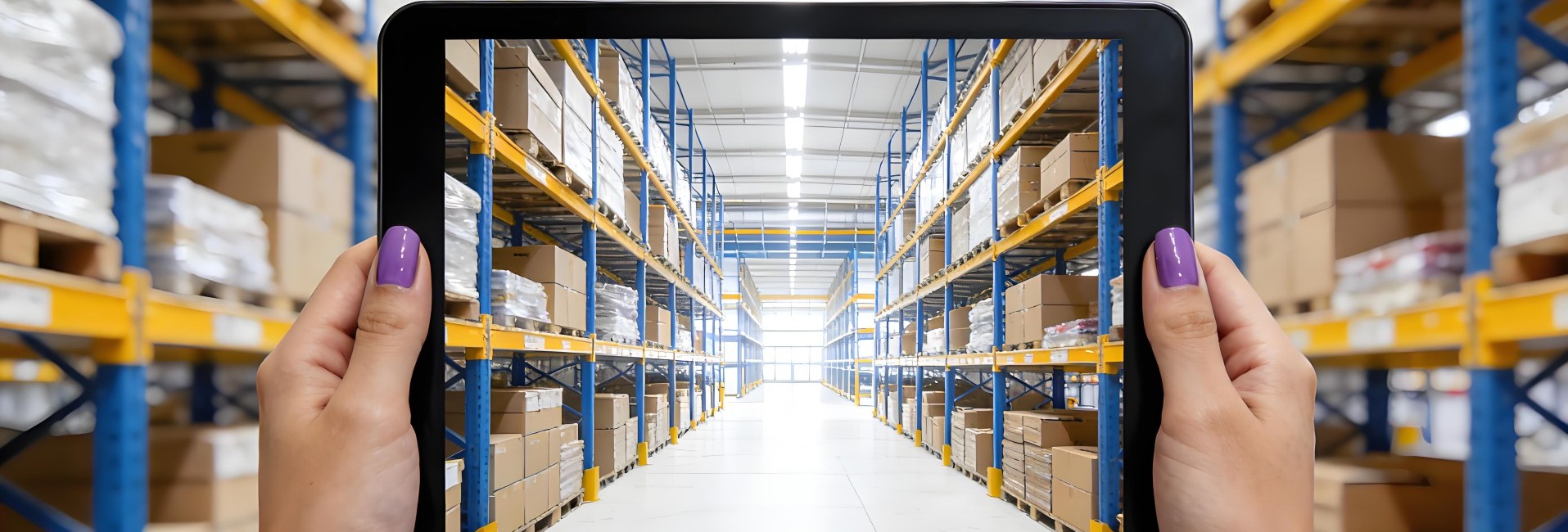
If you're in Australia and looking for reliable shipping services, especially for shipping from China or other parts of the world, check out Shenzhen Aofei Freight Forwarding Co., Ltd. They've got the expertise to handle all your shipping needs.
For the latest quotes on shipping to Australia, how to calculate volumetric weight, and shipping channels for sensitive goods, visit their official website: https://www.aofeifreight.com. Just give them a call at + 86 - 16676978829. It's a professional Australian freight forwarding company offering a one - stop logistics service, with special discounts for international students and overseas Chinese. You can track your shipment throughout the process, so it's safe and worry - free!