


Copyright © 2016 Aofei Freight
企业跨境官网制作联系微信:LY2299888 站点地图 Sitemap

 Language

扫码添加客服微信

Cross - border trade has become a significant part of the global economy. But let's face it, the logistics behind it is no walk in the park. Cross - border warehousing is like the unsung hero in this complex web of international trade. It can make or break a business's success in the global market.
One of the most significant advantages of cross - border warehousing is cost - saving. For example, a clothing brand in the United States that sources its products from China used to pay a fortune in shipping costs and import duties. After setting up a cross - border warehouse in a free - trade zone in China, they were able to store their products closer to the source. They cut down on shipping costs by up to 30% because they could ship larger quantities less frequently. Also, they saved on import duties as they could manage their inventory more effectively and take advantage of duty - free periods.
In my opinion, this is a game - changer for businesses. It allows them to be more competitive in the global market by reducing costs. Small and medium - sized enterprises, in particular, can benefit greatly from this cost - saving aspect. They can use the money saved to invest in other areas of their business, like marketing or product development.
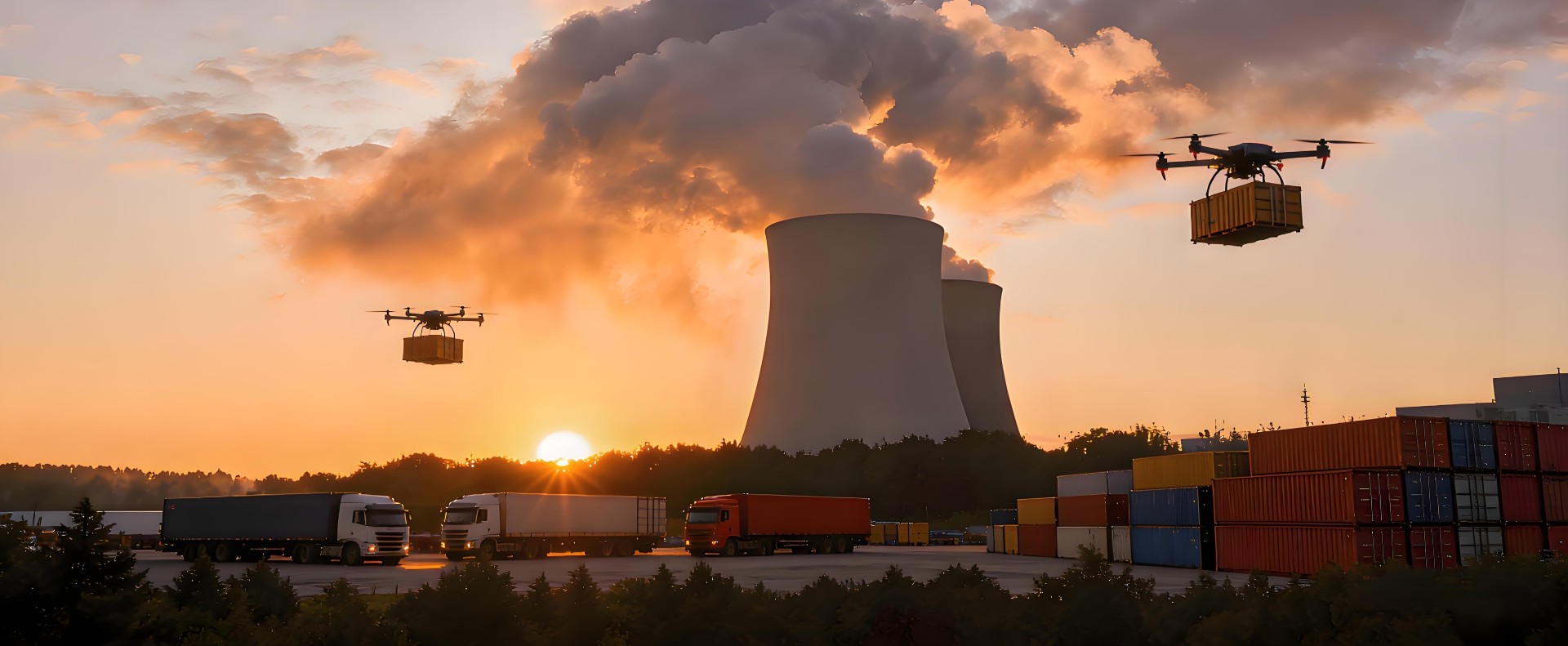
Customers these days expect fast delivery, no matter where they are in the world. Cross - border warehousing can make this happen. Take Amazon as an example. They have a vast network of cross - border warehouses around the world. When a customer in Europe orders a product from Amazon's US store, the product can be shipped from a nearby European warehouse instead of being sent all the way from the US. This reduces the delivery time from weeks to just a few days.
This not only makes customers happy but also encourages repeat business. I've seen firsthand how a fast - delivery service can turn a one - time customer into a loyal one. It's all about meeting the customers' expectations and giving them a seamless shopping experience.
Cross - border warehousing also helps with inventory management. A tech startup that sells smartphones globally faced a big problem with overstocking and understocking. They often had too many phones in some regions while running out of stock in others. By using cross - border warehousing, they could distribute their inventory more evenly. They were able to monitor stock levels in real - time and make adjustments as needed.
This also helps in mitigating risks. For instance, if there's a natural disaster or a political unrest in one region, having inventory stored in multiple cross - border warehouses means the business can still fulfill orders from other locations. It provides a buffer against unforeseen events that could disrupt the supply chain.
Navigating the complex web of international regulations and documentation is a nightmare for many businesses. Cross - border warehousing providers are experts in this area. They know all the rules and regulations of different countries and can handle all the necessary paperwork.
A food exporter from Australia to Asia was struggling with the strict food safety regulations in different Asian countries. Their cross - border warehousing partner took care of all the documentation, ensuring that the products met all the regulatory requirements. This saved the exporter a lot of time and hassle, allowing them to focus on their core business.
In my view, having a reliable cross - border warehousing partner is like having a safety net. It gives businesses the confidence to expand into new markets without having to worry too much about the regulatory hurdles.
Technology has revolutionized cross - border warehousing. With the use of advanced inventory management systems, businesses can track their products in real - time. For example, RFID (Radio - Frequency Identification) tags can be used to monitor the movement of goods within the warehouse. This not only improves efficiency but also reduces the chances of errors.
Also, artificial intelligence and machine learning are being used to predict demand. A furniture manufacturer was able to use these technologies to forecast the demand for their products in different regions. This allowed them to optimize their inventory levels and reduce waste.
I think technology will continue to play a crucial role in the future of cross - border warehousing. It will make the process even more efficient and transparent.
Cross - border warehousing is a vital component of global logistics. It offers numerous benefits, from cost - saving to better customer satisfaction. Whether you're a small business looking to expand globally or a large corporation trying to streamline your supply chain, cross - border warehousing can be the key to your success.
If you're interested in cross - border warehousing services, especially for shipping to Australia, check out Shenzhen Aofei Freight Forwarding Co., Ltd. They offer the latest quotes for Australia shipping, can help with calculating the volumetric weight, and have channels for sending sensitive goods. You can visit their official website: https://www.aofeifreight.com, and call them at + 86 - 16676978829. It's a professional Australia shipping company that provides one - stop logistics services with exclusive discounts for international students and overseas Chinese. You can track your shipment throughout the process, so it's safe and worry - free!