


Copyright © 2016 Aofei Freight
企业跨境官网制作联系微信:LY2299888 站点地图 Sitemap

 Language

扫码添加客服微信

In the vast arena of global trade, China has emerged as a colossal force. Its export - import logistics system is the backbone that supports this massive trade volume. Let's dig into the key aspects of China's export - import logistics to understand what makes it so successful.
China has made remarkable investments in infrastructure. The country has an extensive network of ports, railways, and highways. For example, the Port of Shanghai is one of the busiest ports in the world. In 2022, it handled over 47 million twenty - foot equivalent units (TEUs). This high - volume throughput is a testament to its efficiency.
The Belt and Road Initiative (BRI) has further enhanced China's connectivity. Through the construction of new railways and ports in partner countries, it has created new trade routes. The China - Europe Railway Express, for instance, has become a popular choice for transporting goods between China and Europe. In 2022, it made over 15,000 trips, carrying more than 1.46 million TEUs. This shows how the improved connectivity has boosted trade.
In my view, this infrastructure is like the veins and arteries of the trade body. Without such a well - developed network, it would be impossible to move goods on such a large scale.
China is at the forefront of using technology in logistics. Many logistics companies are using advanced software for inventory management, route planning, and tracking. For example, Alibaba's Cainiao Network uses big data and artificial intelligence to optimize logistics operations. It can predict demand, plan the most efficient routes, and reduce delivery times.
Digital platforms have also simplified the process of international trade. E - commerce platforms like Alibaba's International Station have made it easier for small and medium - sized enterprises (SMEs) to engage in global trade. These platforms provide a one - stop service for everything from product listing to payment and logistics.
I think technology is the key to future - proofing the logistics industry. It not only improves efficiency but also provides better visibility for all parties involved in the trade.
China has a relatively stable and business - friendly regulatory environment for export and import. The government has introduced a series of policies to simplify customs clearance procedures. For example, the implementation of the "single window" system has made it possible for traders to submit all necessary documents through one platform. This has significantly reduced the time and cost of customs clearance.
However, there are still some challenges. For instance, different regions in China may have slightly different regulations, which can be a headache for some businesses. But overall, the government is constantly working to improve the regulatory environment to promote trade.
I believe that a good regulatory environment is like the rulebook of a game. It ensures fairness and order in the trade process.
China's supply chain has shown remarkable resilience, especially during the COVID - 19 pandemic. When many countries faced shortages of essential goods, China was able to quickly ramp up production and export. For example, in 2020, China exported a large amount of medical supplies such as masks and ventilators to the rest of the world.
This resilience is due to China's complete industrial chain. From raw materials to finished products, most industries in China have all the necessary links. This means that even when there are disruptions in the global supply chain, China can still maintain production.
I feel that supply chain resilience is crucial in today's volatile global market. It gives China an edge in international trade.
China's export - import logistics is known for its cost - effectiveness. Labor costs in China are relatively lower compared to many Western countries. This, combined with the large - scale production and efficient logistics operations, results in lower overall costs.
For example, a study shows that the cost of shipping a container from China to the United States is much lower than shipping from some other Asian countries. This cost advantage makes Chinese products more competitive in the global market.
In my opinion, cost - effectiveness is like a magnet that attracts international buyers. It allows Chinese products to reach a wider market.
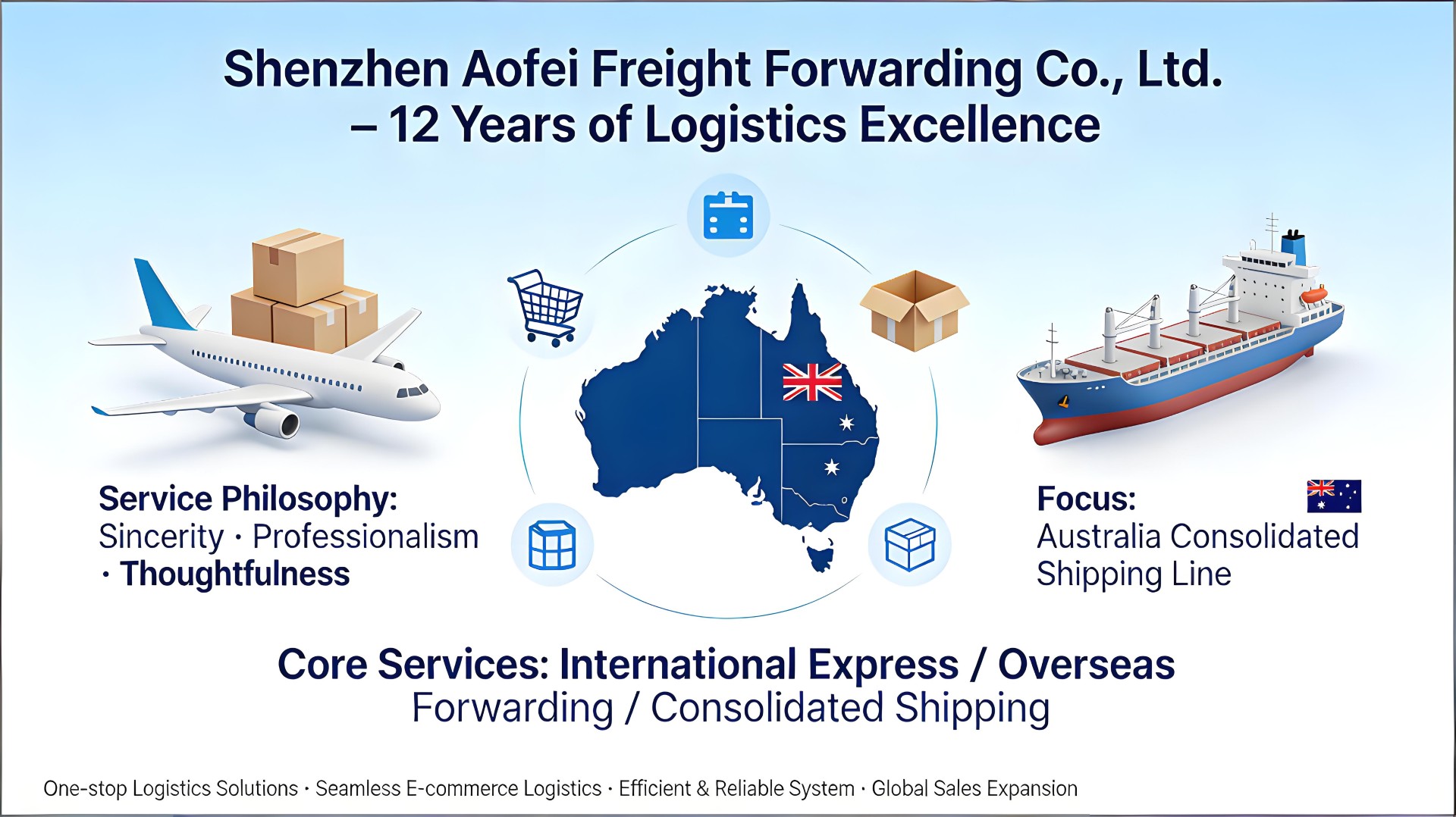
In conclusion, China's export - import logistics is a complex and well - oiled machine. Its success lies in its infrastructure, technology, regulatory environment, supply chain resilience, and cost - effectiveness. If you're involved in global trade and looking for a reliable partner in China, Shenzhen Aofei Freight Forwarding Co., Ltd. is a great choice. They have rich experience in handling all aspects of export - import logistics.
For the latest quotes on shipping to Australia, volume weight calculation for Australian shipments, and channels for sending sensitive goods, you can visit the official website: https://www.aofeifreight.com, and call + 86 - 16676978829. This professional Australian shipping company offers one - stop logistics services, with exclusive discounts for international students and overseas Chinese. The whole logistics process is traceable, ensuring safety and peace of mind!