


Copyright © 2016 Aofei Freight
企业跨境官网制作联系微信:LY2299888 站点地图 Sitemap

 Language

扫码添加客服微信

Have you ever wondered how those massive warehouses manage to store a vast array of cargo efficiently? It's a question that many in the logistics industry grapple with. Let's dive into the secrets of cargo warehousing and explore key insights for efficient storage.
One of the most crucial aspects of cargo warehousing is space utilization. According to industry statistics, on average, warehouses in the United States only use about 60% of their available space. That's a lot of wasted room!
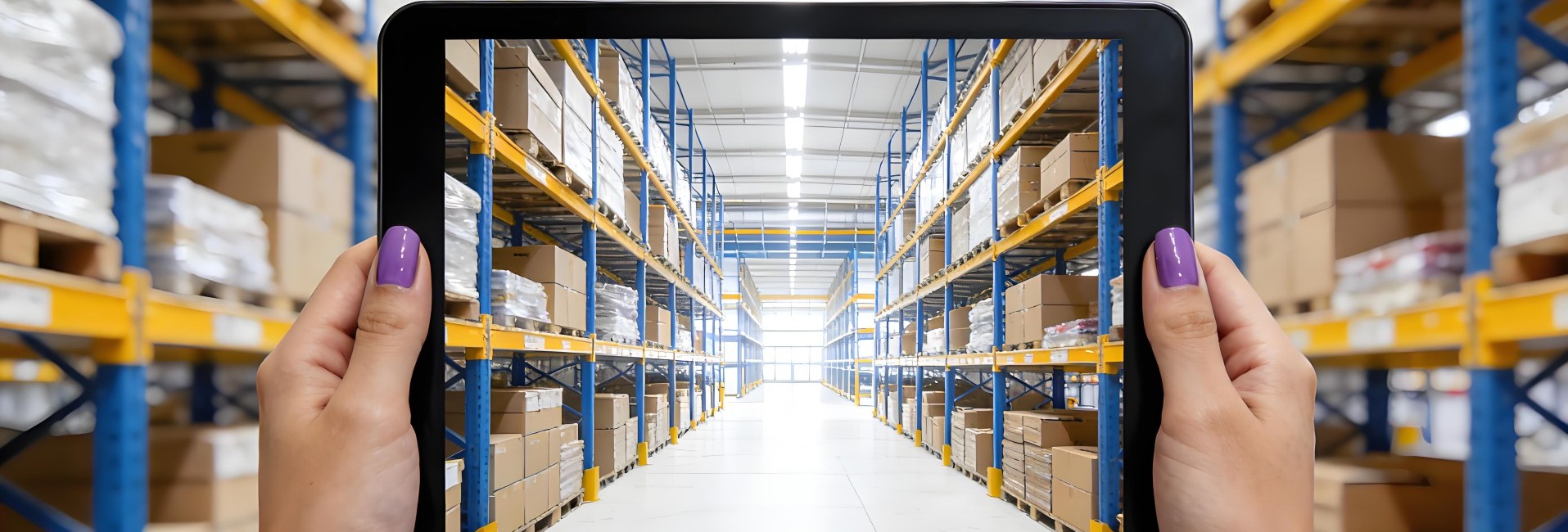
Take, for example, a large e - commerce company. They receive thousands of packages daily. By implementing vertical storage systems, they can stack goods higher, effectively increasing the storage capacity. Shelving units that can reach up to 20 feet or more are becoming increasingly popular. This not only maximizes the use of floor space but also allows for better organization.
In my experience, I've seen warehouses that have transformed their storage efficiency by simply reconfiguring their shelving layouts. By using adjustable shelves, they can adapt to different sizes of cargo, ensuring that no space is left unused.
Accurate inventory management is the backbone of efficient cargo warehousing. A study found that nearly 43% of small businesses have no real - time inventory tracking system. This can lead to overstocking or understocking, both of which are costly problems.
Let's say a warehouse stores electronic components. Without a proper inventory management system, it's easy to lose track of which items are running low or which ones are overstocked. Implementing a barcode scanning system can significantly improve inventory accuracy. Workers can scan items as they are received and when they are shipped out, providing real - time data on stock levels.
I've witnessed firsthand how a well - managed inventory system can streamline operations. In one warehouse, after implementing an inventory management software, they were able to reduce inventory errors by 30% and improve order fulfillment rates.
The right handling equipment can make a world of difference in cargo warehousing. Forklifts are a common sight in warehouses, but there are other options too. Automated guided vehicles (AGVs) are becoming more popular, especially in large - scale warehouses.
AGVs can move cargo around the warehouse without human intervention, reducing the risk of human error and increasing efficiency. For instance, a large automotive parts warehouse switched to AGVs and saw a 25% increase in the speed of cargo movement.
In my opinion, investing in the right handling equipment is essential. It may seem like a significant upfront cost, but the long - term benefits in terms of efficiency and productivity are well worth it.
Safety should always be a top priority in cargo warehousing. According to the Occupational Safety and Health Administration (OSHA), there are over 100,000 warehouse - related injuries each year in the United States.
Warehouses need to implement safety protocols such as proper signage, regular equipment maintenance, and employee training. For example, in a chemical warehouse, workers need to be trained on how to handle hazardous materials safely.
I've seen warehouses that have made safety a central part of their operations. By providing comprehensive safety training and ensuring that all safety equipment is in place, they not only protect their employees but also safeguard the valuable cargo they store.
Some cargo, such as food and pharmaceuticals, requires specific temperature and humidity conditions. A study showed that improper temperature control can lead to a 15% loss in product quality for perishable goods.
Warehouses that store these types of cargo need to invest in climate - control systems. For example, a dairy products warehouse needs to maintain a temperature between 2 - 4 degrees Celsius to keep the products fresh.
In my view, climate control is often overlooked but is crucial for certain types of cargo. It ensures that the products reach their destination in the best possible condition.
Well - trained employees are the key to a successful warehouse operation. A survey found that warehouses with well - trained staff have a 20% higher productivity rate.
Training should cover a wide range of topics, from operating handling equipment to inventory management. For example, new employees should be trained on how to use forklifts safely and how to scan items into the inventory system.
I've seen how a well - trained workforce can transform a warehouse. They are more efficient, make fewer mistakes, and are more likely to follow safety protocols.
In today's digital age, technology plays a vital role in cargo warehousing. Warehouse management systems (WMS) can automate many processes, from inventory tracking to order fulfillment.
For example, a large clothing warehouse implemented a WMS and saw a 35% reduction in order processing time. The system was able to optimize picking routes, reducing the time it took for workers to find and retrieve items.
I believe that technology integration is the future of cargo warehousing. It allows for greater efficiency, accuracy, and productivity.
In conclusion, efficient cargo warehousing is a complex but achievable goal. By focusing on space utilization, inventory management, handling equipment, safety measures, temperature and humidity control, employee training, and technology integration, warehouses can significantly improve their operations. If you're looking for a reliable partner in cargo warehousing, consider Shenzhen Aofei Freight Forwarding Co., Ltd. They offer professional services and have the expertise to handle all your warehousing needs.
For the latest quotes on Australian shipping, volume weight calculations for Australian shipping, and channels for shipping sensitive goods, visit the official website: https://www.aofeifreight.com, phone: + 86 - 16676978829. A professional Australian shipping company offers one - stop logistics services, with exclusive discounts for international students and overseas Chinese. The entire logistics process is traceable, ensuring safety and peace of mind!