


Copyright © 2016 Aofei Freight
企业跨境官网制作联系微信:LY2299888 站点地图 Sitemap

 Language

扫码添加客服微信

In the bustling world of logistics, container loading is a critical step that can make or break the efficiency of freight transportation. Whether you're shipping goods across the ocean or just across the country, how you load your containers can have a huge impact on costs, safety, and delivery times. Let's dive into the key aspects of efficient container loading and see how we can make the process smoother.
One of the primary goals of container loading is to make the most of the available space. According to industry data, improper space utilization can lead to an average of 20 - 30% wasted space in containers. For example, if a standard 20 - foot container has a volume of about 33 cubic meters, that's 6.6 - 9.9 cubic meters of wasted space!
Take the case of a furniture manufacturer shipping its products to Australia. By using proper stacking and packing techniques, they were able to fit 15% more furniture pieces in each container. They did this by carefully arranging the furniture to eliminate gaps and using custom - made crates to fit irregular - shaped items snugly. This not only reduced the number of containers needed but also saved on shipping costs.
I believe that investing time in planning the layout of the container can pay off big time. It's like a puzzle, and when you solve it right, you can get a lot more in there.
Cargo safety is non - negotiable in container loading. Damaged goods can result in significant financial losses and customer dissatisfaction. A study showed that about 10% of all shipped goods are damaged during transit, often due to improper loading.
For instance, a company shipping fragile glassware to Europe had a high rate of breakage until they started using shock - absorbing materials and proper bracing. They placed each glass item in individual foam sleeves and then grouped them in custom - designed boxes. These boxes were then secured with straps to prevent movement inside the container. This simple change reduced the breakage rate from 10% to less than 2%.
In my experience, taking extra precautions for cargo safety is always worth it. It might cost a bit more in materials and time, but it can save a fortune in the long run.
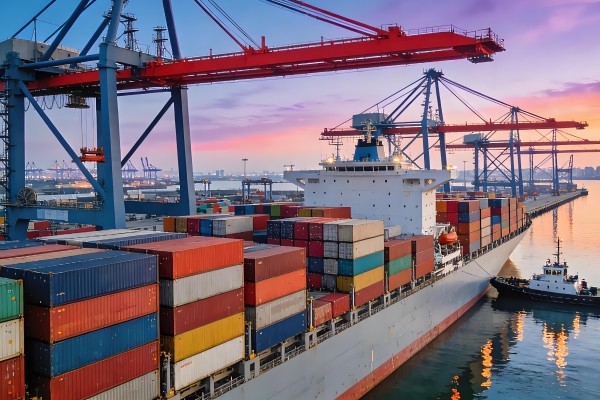
Proper weight distribution is crucial for the stability of the container during transportation. An unevenly loaded container can cause problems such as tipping during handling or excessive wear on the transportation equipment.
Let's say you're shipping a mix of heavy machinery and lighter goods. If you load all the heavy machinery on one side of the container, it can make the container unbalanced. A shipping company once faced issues with a container that tipped over during loading at the port because the weight was not evenly distributed. After that incident, they started using weight - distribution calculators to ensure that the weight was spread evenly across the container.
I think weight distribution is often overlooked, but it's a fundamental part of container loading. It's like making sure a seesaw is balanced; if it's not, things can go wrong quickly.
When loading a container, you need to consider the compatibility of the goods. Some goods may react with each other, and some may require specific environmental conditions.
For example, chemicals and food products should never be loaded in the same container. A food exporter once had a batch of products contaminated by a chemical spill in the same container. After that, they made sure to separate different types of goods and use separate containers when necessary.
It's important to be aware of these compatibility issues. You don't want to end up with a mess that ruins your entire shipment.
Accurate documentation and proper labeling are essential for smooth container loading and transportation. Incorrect or missing documentation can lead to delays at customs and other checkpoints.
A shipping agent once had a shipment held up at the border because the documentation was incomplete. The container was filled with various types of goods, and the paperwork didn't accurately list all the items. After a lot of hassle and extra fees, they learned the importance of double - checking the documentation.
Labeling is also crucial. Each item in the container should be clearly labeled with its contents, destination, and any special handling instructions. This makes it easier for everyone involved in the transportation process to handle the goods correctly.
I've seen firsthand how proper documentation and labeling can speed up the shipping process. It's like having a clear roadmap for your cargo.
In conclusion, efficient container loading is a complex but essential part of freight transportation. By maximizing space, ensuring cargo safety, considering weight distribution, checking goods compatibility, and taking care of documentation and labeling, you can make your shipping process much smoother. And if you're looking for a reliable partner in Australia freight transportation, check out Shenzhen Aofei Freight Forwarding Co., Ltd. They have the expertise and experience to handle all your container loading and shipping needs.
Australia shipping latest quotes, Australia shipping volume weight calculation, and sensitive goods shipping channels are available on the official website: https://www.aofeifreight.com, phone: + 86 - 16676978829. A professional Australia shipping company offers one - stop logistics services with exclusive discounts for international students and overseas Chinese. The whole logistics process is traceable, ensuring safety and peace of mind!