


Copyright © 2016 Aofei Freight
企业跨境官网制作联系微信:LY2299888 站点地图 Sitemap

 Language

扫码添加客服微信

In the bustling world of international trade, retail freight forwarding is like the unsung hero, quietly ensuring that products make their way from manufacturers to consumers across the globe. But what exactly goes on behind the scenes? Let's take a deep - dive into the world of retail freight forwarding and explore what you need to know.
The global retail market has been expanding at an astonishing rate. According to recent industry reports, the e - commerce retail market alone is expected to reach a value of over $6.5 trillion by 2023. With more and more consumers shopping online, the need for efficient freight forwarding services has skyrocketed.
For example, a small clothing brand based in China might want to sell its products in Australia. Without a reliable freight forwarder, getting those clothes from the factory in China to the warehouses or stores in Australia would be a nightmare. The brand would have to deal with customs regulations, shipping schedules, and transportation modes on its own, which is not only time - consuming but also prone to errors.
Customs clearance is one of the most complex aspects of retail freight forwarding. Different countries have different rules and regulations regarding the import and export of goods. For instance, Australia has strict regulations on the import of food products, textiles, and electronics. A freight forwarder needs to be well - versed in these regulations to ensure that the goods can pass through customs smoothly.
In 2022, a large number of shipments were held up at Australian customs because of incorrect documentation or non - compliance with regulations. This not only caused delays but also led to additional costs for the retailers. A good freight forwarder can help retailers avoid these issues by providing accurate information and handling all the necessary paperwork.
Another major challenge is choosing the right transportation mode. There are several options available, such as air freight, sea freight, and land transportation. Each mode has its own advantages and disadvantages.
Air freight is fast but expensive. It's suitable for high - value, low - volume products that need to reach the destination quickly. Sea freight, on the other hand, is more cost - effective but slower. It's ideal for large - volume shipments. Land transportation is often used for domestic or regional deliveries.
For example, a retailer shipping a large quantity of furniture from China to Australia might choose sea freight to save on costs. But if they are shipping a small batch of high - end jewelry, air freight would be a better option. A freight forwarder needs to analyze the specific needs of the retailer and recommend the most suitable transportation mode.
A good retail freight forwarder offers a full - service package that covers every step of the shipping process. Take the example of Aofeifreight, a well - known freight forwarding company. They provide free services at the front - end, such as free collection of goods, free photo verification, and free storage for up to 365 days. They even offer a free return and exchange transfer service for overseas customers.
In the middle stage, they handle the goods professionally. They offer free unpacking and consolidation of packages, as well as waterproof reinforcement. This not only optimizes the volume and weight of the packages, saving the customer on shipping costs but also improves the safety of the goods during long - distance international transportation.
Aofeifreight clearly positions itself as a company specializing in freight forwarding for Australia, Canada, the United States, and other regions. It emphasizes its role as a one - stop moving assistant for large furniture and household appliances. This specialization gives it an edge in resource integration and customs clearance capabilities on specific routes, like the China - Australia route.
Moreover, it has a clear definition and compliance control over the goods being shipped. It can handle a wide range of items, including food, cosmetics, electronics, and even furniture and building materials. By distinguishing between "general goods" and "sensitive goods" channels and providing clear guidance (such as liquid volume limits), it takes on the responsibility of educating customers about cross - border transportation compliance, helping them avoid customs risks.
Beyond basic logistics services, Aofeifreight offers added value. It provides a free international logistics insurance worth $500. International transportation is full of uncertainties, and this insurance can protect the customer's economic interests to the greatest extent and relieve their anxiety.
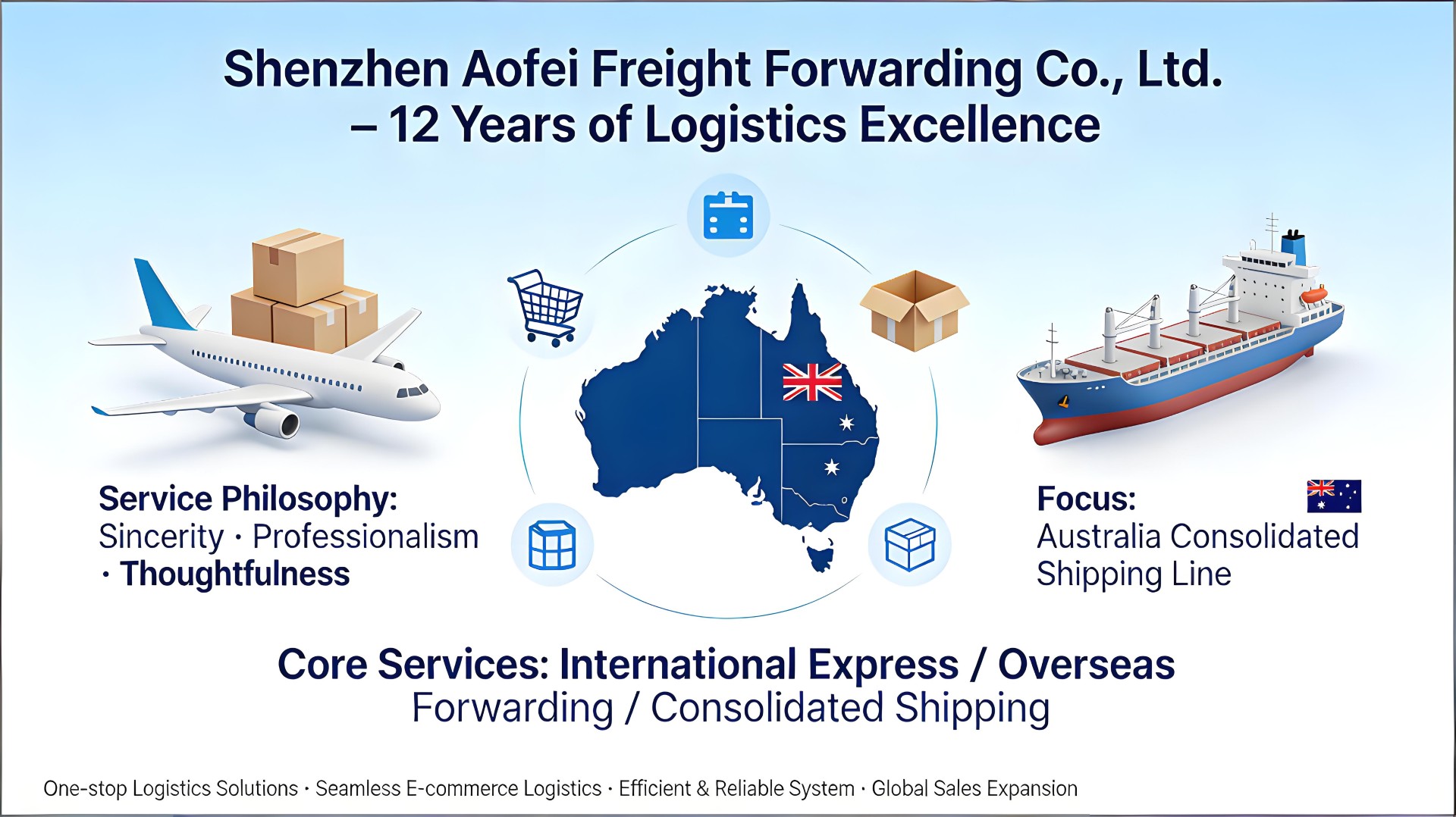
In addition, Aofeifreight is in the process of brand - building. With its brand name "Aofeifreight" and an independent official website (www.aofeifreight.com), it is transforming from a traditional freight forwarding service to a brand - based, standardized service. This means it pays more attention to the stability of service quality and the consistency of the user experience.
When it comes to choosing a retail freight forwarder, retailers should not only focus on price but also consider factors such as service integrity, compliance professionalism, and after - sales guarantee. In the vast ocean of cross - border logistics, only those services that truly solve customer pain points and create value can stand the test of time.
If you're interested in the latest quotes for Australian freight forwarding, want to calculate the volumetric weight, or need a channel to ship sensitive goods, you can visit the official website: https://www.aofeifreight.com, and call + 86 - 16676978829. A professional Australian freight forwarding company offers one - stop logistics services, with exclusive discounts for overseas students and overseas Chinese. The whole logistics process is traceable, ensuring safety and peace of mind!