


Copyright © 2016 Aofei Freight
企业跨境官网制作联系微信:LY2299888 站点地图 Sitemap

 Language

扫码添加客服微信

Shipping is a crucial part of global trade, but cargo loss is a constant headache for shippers. Just imagine spending a fortune on goods, only to have them go missing or damaged during transit. It's like watching your hard - earned money go down the drain. So, how can we effectively protect cargo from loss? Let's dig into it.
Insurance is the most basic yet powerful tool for cargo loss protection. According to industry statistics, around 70% of shippers rely on insurance to cover potential losses. For example, a furniture exporter in China shipped a large consignment of high - end sofas to the United States. During the journey, the container was damaged due to rough seas. Thanks to the comprehensive cargo insurance they had purchased, they were able to recover a significant portion of the loss.
In my view, insurance is like a safety net. It gives shippers peace of mind, knowing that they won't bear the full brunt of a loss. But it's important to choose the right insurance policy. Some policies may have exclusions or limitations, so it's essential to read the fine print carefully.
Good packaging can significantly reduce the risk of cargo damage. A study shows that proper packaging can prevent up to 80% of common cargo damages. Take electronics as an example. A smartphone manufacturer ships its products in custom - designed boxes with shock - absorbing materials. This not only protects the phones from physical damage but also from environmental factors like moisture.
I think packaging is often overlooked, but it's the first line of defense for your cargo. Using high - quality materials and appropriate packing techniques can make a huge difference. For instance, fragile items should be wrapped in bubble wrap and placed in sturdy boxes with plenty of padding.
The choice of container matters a lot. Containers that are old or damaged can pose a risk to the cargo. Before loading, it's crucial to inspect the container thoroughly. A shipping company once loaded a consignment of perishable goods into a container with a faulty refrigeration system. As a result, the goods spoiled during transit, causing a substantial loss.
In my experience, shippers should always opt for well - maintained containers. They should check for any signs of leakage, rust, or structural damage. If possible, choose containers with advanced features like temperature control for sensitive cargo.
With the advancement of technology, tracking and monitoring cargo in real - time has become easier. Many shipping companies use GPS and other tracking devices to keep an eye on the location and condition of the cargo. A clothing retailer was able to quickly identify a delay in the shipment of its new collection. Thanks to the tracking system, they were able to take proactive measures to minimize the impact on their business.
I believe that real - time tracking is a game - changer. It allows shippers to respond promptly to any issues that may arise during transit. Whether it's a delay, a change in route, or a potential security threat, tracking provides valuable information.
Security is a major concern in shipping. Theft and piracy can lead to significant cargo losses. To combat this, shipping companies are implementing various security measures. For example, some use security seals on containers, and others have security guards on board vessels. In high - risk areas, armed escorts may also be used.
In my opinion, security should be a top priority. Shippers should work with shipping companies that have a good track record in security. It's also important to stay updated on the security situation in different regions and take appropriate precautions.
Accurate documentation is essential for cargo loss protection. It serves as evidence in case of a claim. Shippers should keep detailed records of the cargo, including its description, quantity, value, and condition at the time of shipment. A shipping agent once had a claim for damaged goods. Thanks to the detailed documentation they had, they were able to prove the value of the loss and get compensated.
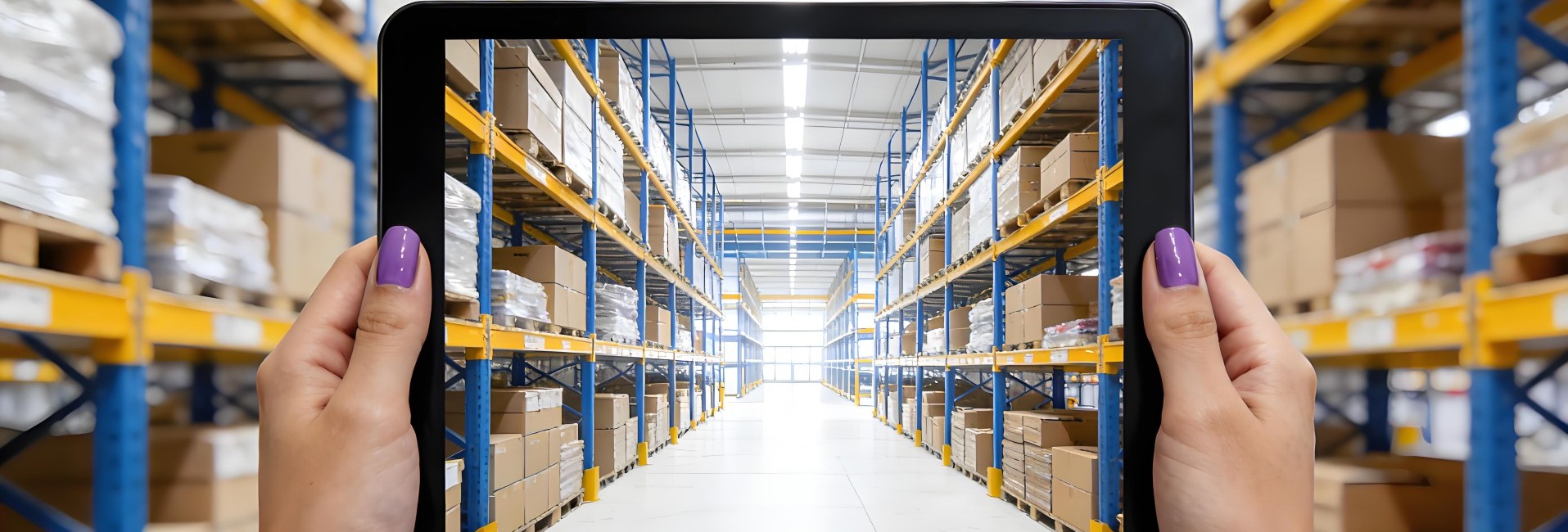
I think documentation is like a paper trail. It helps to clarify the situation in case of disputes. Shippers should ensure that all documents are filled out correctly and kept in a safe place.
In conclusion, protecting cargo from loss is a multi - faceted task. It requires a combination of insurance, proper packaging, container inspection, tracking, security measures, and good documentation. By implementing these strategies, shippers can significantly reduce the risk of cargo loss and ensure the smooth flow of goods in the global market.
If you're looking for a reliable partner in shipping and cargo protection, consider Shenzhen Aofei Freight Forwarding Co., Ltd. They offer professional services and have a wealth of experience in handling various types of cargo.
For the latest quotes on shipping to Australia, volume weight calculation for Australian shipments, and channels for sending sensitive goods, visit the official website: https://www.aofeifreight.com, and call + 86 - 16676978829. This professional Australian shipping company provides one - stop logistics services with exclusive discounts for international students and overseas Chinese. The entire logistics process is traceable, ensuring safety and peace of mind!