


Copyright © 2016 Aofei Freight
企业跨境官网制作联系微信:LY2299888 站点地图 Sitemap

 Language

扫码添加客服微信

In the global trade arena, the logistics between China and Australia is a bustling and crucial segment. It's not just about moving goods from one place to another; it involves a complex web of processes, regulations, and strategies. Let's dig deep into the details and unveil the secrets of this business logistics.
The trade volume between China and Australia has been on a steady rise. According to recent trade data, the bilateral trade value reached billions of dollars in the past few years. For example, China is one of Australia's largest trading partners, with a significant amount of goods flowing in both directions. Chinese products like electronics, textiles, and machinery are highly sought - after in the Australian market, while Australia exports commodities such as minerals, agricultural products, and wine to China.
This growth in trade has led to an increased demand for efficient logistics services. More businesses are looking for reliable ways to transport their goods across the vast distance between the two countries. It's a sign of a healthy and expanding market, with opportunities for logistics companies to thrive.
There are mainly two shipping modes for transporting goods from China to Australia: sea freight and air freight. Sea freight is the most common choice for large - volume and non - urgent shipments. It's cost - effective but has a longer transit time. For instance, a full - container load (FCL) shipment from Shanghai to Sydney by sea can take around 18 - 25 days.
Air freight, on the other hand, is much faster. It can deliver goods within 3 - 7 days, which is ideal for high - value, time - sensitive products like electronics and fresh food. However, the cost of air freight is significantly higher compared to sea freight.
The choice of shipping route also matters. There are direct shipping routes between major Chinese ports like Shanghai, Shenzhen, and Ningbo to Australian ports such as Sydney, Melbourne, and Brisbane. These direct routes can save time and reduce the risk of delays.
Customs clearance is a critical part of the logistics process. Both China and Australia have their own customs regulations and procedures. In China, exporters need to provide accurate documentation, including commercial invoices, packing lists, and certificates of origin. In Australia, importers must comply with strict quarantine and customs requirements.
For example, Australia has strict rules regarding the import of food, plant, and animal products to protect its unique ecosystem. Any violation of these rules can result in delays, fines, or even the rejection of the shipment. Therefore, it's essential for logistics companies to have a good understanding of these regulations and ensure that all necessary documents are in order.
Once the goods arrive in Australia, warehousing and distribution come into play. Many logistics companies offer warehousing services in Australia to store the goods before they are distributed to the final destinations. These warehouses are equipped with modern facilities to ensure the safety and proper storage of the goods.
Distribution networks are also well - established in Australia. Logistics providers use various means of transportation, such as trucks and trains, to deliver the goods to different parts of the country. This efficient distribution system helps businesses reach their customers in a timely manner.
Technology has revolutionized the logistics industry. In the China - Australia logistics business, digital platforms are used for tracking shipments, managing inventory, and communicating with customers. For example, real - time tracking systems allow shippers and consignees to monitor the location and status of their goods at any time.
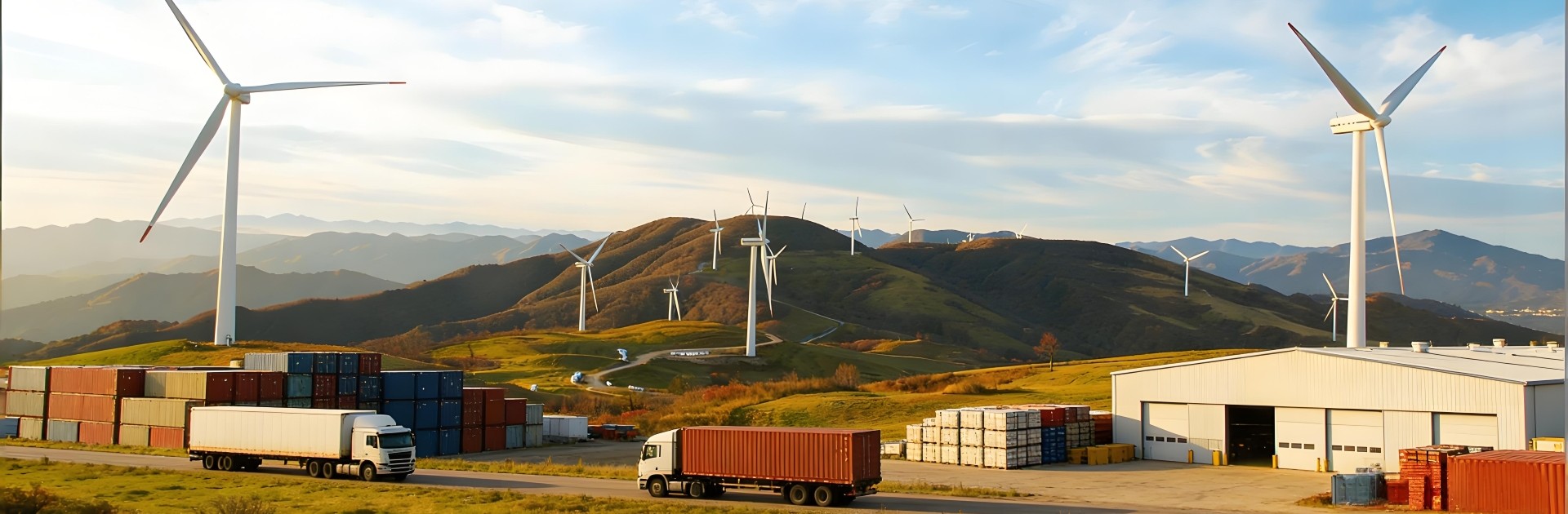
Automation is also being increasingly adopted in warehouses and ports. Automated storage and retrieval systems can improve the efficiency of warehousing operations, while automated container handling equipment can speed up the loading and unloading processes at ports.
There are several challenges in the China - Australia logistics business. One of the main challenges is the long distance, which can lead to higher transportation costs and longer transit times. Another challenge is the complex customs regulations, which require careful attention and compliance.
To overcome these challenges, logistics companies are constantly looking for solutions. For example, they are exploring new shipping routes and modes to reduce costs and transit times. They are also investing in technology to improve efficiency and accuracy in customs clearance and inventory management.
In my opinion, the China - Australia logistics business is full of opportunities, but it also requires a high level of expertise and attention to detail. As a logistics professional, I've seen firsthand how important it is to stay updated with the latest regulations and technological advancements. It's a dynamic and exciting field, and I'm looking forward to seeing how it will continue to evolve.
If you're interested in Australia shipping from China, the latest quotes, volume weight calculations for Australia shipping, and channels for shipping sensitive goods, you can visit the official website: https://www.aofeifreight.com, and call + 86 - 16676978829. Shenzhen Aofei Freight Forwarding Co., Ltd., a professional Australia shipping company, offers one - stop logistics services with exclusive discounts for overseas students and overseas Chinese. The whole logistics process is traceable, ensuring safety and peace of mind!