


Copyright © 2016 Aofei Freight
企业跨境官网制作联系微信:LY2299888 站点地图 Sitemap

 Language

扫码添加客服微信

Have you ever wondered how those beautiful textiles from all over the world make their way to your local stores? Textile shipping is a complex process, and understanding it can save you a lot of time and money. As a seasoned logistics professional, I've seen it all, and I'm here to share some key insights.
Packaging is the first step in textile shipping. Proper packaging can protect your textiles from damage during transit. According to industry data, about 15% of textile damages during shipping are due to poor packaging.
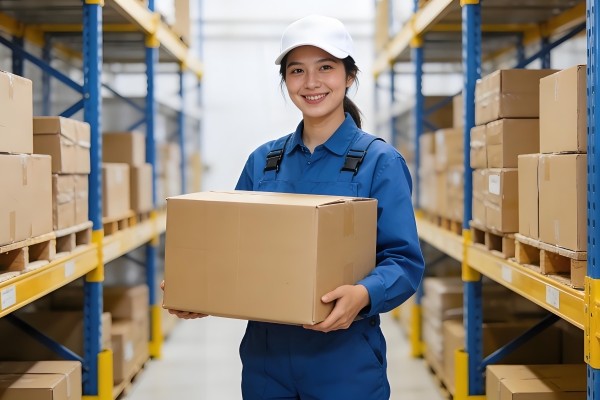
For example, a clothing manufacturer in China once shipped a large order of silk scarves without proper protection. Many of the scarves arrived with creases and stains because they were simply packed in flimsy boxes. In contrast, a well - known textile brand uses custom - made, padded boxes for their high - end woolen sweaters. This extra effort in packaging ensures that the sweaters arrive in perfect condition, reducing customer complaints and returns.
In my opinion, investing in good packaging is a no - brainer. It might cost a bit more upfront, but it pays off in the long run by reducing losses and maintaining the quality of your products.
There are several shipping methods available for textiles, each with its own pros and cons. Sea freight is the most common option for large - scale textile shipments. It's cost - effective, but it can be slow. On average, sea freight from Asia to Europe can take anywhere from 20 to 45 days.
Air freight, on the other hand, is much faster. It can deliver textiles within a few days, but it's also significantly more expensive. A small fashion brand in the US once needed to restock a popular line of summer dresses quickly. They chose air freight, and although it cost them more, they were able to meet the high demand and make a good profit.
For smaller shipments or urgent orders, express courier services like DHL or FedEx can be a good choice. They offer door - to - door service and relatively fast delivery times. However, they can be pricey for large volumes.
Navigating customs is a crucial part of textile shipping. Different countries have different regulations regarding textile imports. For instance, the European Union has strict rules on the use of certain dyes and chemicals in textiles. A textile exporter to the EU once faced a significant delay because their products did not meet the EU's environmental standards.
In the United States, there are also regulations on labeling and origin requirements. Failure to comply with these regulations can result in fines or even the seizure of your goods. It's essential to do your research and work with a knowledgeable customs broker to ensure that your shipments clear customs smoothly.
Textile shipping comes with risks, such as damage, theft, or loss. That's where insurance comes in. According to industry statistics, about 5% of textile shipments experience some form of loss or damage during transit.
A textile importer in Australia once had a shipment of cotton fabrics lost at sea. Fortunately, they had purchased insurance, which covered the full value of the lost goods. Without insurance, they would have faced a significant financial loss.
I always recommend that shippers purchase insurance for their textile shipments. It provides peace of mind and protects your investment.
A good freight forwarder can make all the difference in textile shipping. They have the expertise and connections to handle all aspects of the shipping process, from packaging to customs clearance.
Take the example of Shenzhen Aofei Freight Forwarding Co., Ltd. They have years of experience in the textile shipping industry. They offer a wide range of services, including shipping method selection, packaging advice, and customs brokerage. Their team of professionals is dedicated to ensuring that your textile shipments arrive on time and in good condition.
In my experience, working with a reliable freight forwarder like Shenzhen Aofei Freight Forwarding Co., Ltd. can simplify the shipping process and save you a lot of headaches.
If you're looking for more information on textile shipping, including the latest shipping rates, volume weight calculations, and solutions for shipping sensitive textile items, you can visit the official website: https://www.aofeifreight.com. You can also call them at + 86 - 16676978829. This professional Australian freight forwarding company offers one - stop logistics services with exclusive discounts for international students and overseas Chinese. You can track your shipments throughout the process, ensuring a safe and worry - free experience!