


Copyright © 2016 Aofei Freight
企业跨境官网制作联系微信:LY2299888 站点地图 Sitemap

 Language

扫码添加客服微信

In the dynamic world of logistics, freight cost optimization is a critical factor for businesses aiming to enhance their bottom line. As a seasoned logistics professional, I've witnessed firsthand the impact of strategic cost management on shipping efficiency. Let's dive into the key strategies and real - world examples that can help you achieve significant savings in your freight operations.
The choice of carriers can make a huge difference in freight costs. According to industry data, businesses that actively negotiate with carriers can save anywhere from 10% to 30% on their shipping expenses. For instance, a medium - sized e - commerce company in the US was able to reduce its international shipping costs by 15% by switching from a major carrier to a regional one that offered more competitive rates for their specific shipping routes.
When negotiating with carriers, it's important to have a clear understanding of your shipping volume, frequency, and destination requirements. Don't be afraid to ask for volume discounts or special rates. You can also leverage the competition among carriers. If one carrier knows that you're considering others, they may be more willing to offer better terms.
Selecting the right mode of transportation is crucial for cost optimization. Different modes have different cost structures and delivery times. For example, air freight is fast but expensive, while sea freight is slower but more cost - effective for large volumes.
A furniture manufacturer in China found that by switching from air freight to sea freight for its exports to Australia, it could save up to 60% on shipping costs. However, this decision also meant longer lead times. So, it's a balance between cost and delivery speed. If you're shipping high - value, time - sensitive goods, air freight might be the better option. But for bulk, non - perishable items, sea freight is often the way to go.
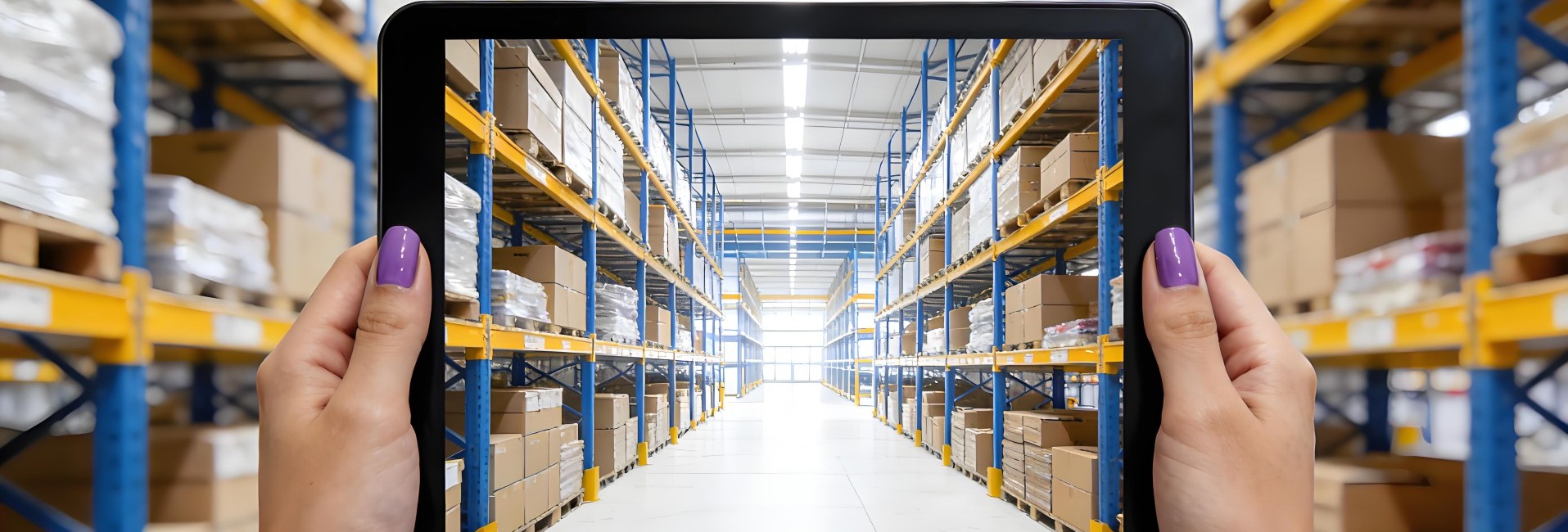
Proper packaging can significantly reduce freight costs. Over - sized or poorly designed packaging can lead to higher volumetric weight charges. A study showed that companies that optimized their packaging reduced their shipping costs by an average of 8%.
For example, a consumer goods company redesigned its product packaging to be more compact. By doing so, they were able to fit more products into each shipping container, reducing the number of containers needed and thus saving on shipping costs. When designing packaging, consider the shape, size, and weight of the product. Use materials that are lightweight but still provide adequate protection.
Consolidating multiple small shipments into one larger shipment can lead to substantial cost savings. This is because carriers often offer better rates for larger volumes. A clothing retailer was able to save 25% on its shipping costs by consolidating its orders from different suppliers into a single shipment.
To implement shipment consolidation, you need to have good coordination with your suppliers and logistics partners. You can use a third - party logistics provider (3PL) to help with this process. They have the expertise and resources to manage the consolidation effectively.
Optimizing shipping routes can also reduce costs. By choosing the most efficient routes, you can minimize transportation time and fuel consumption. A trucking company was able to reduce its fuel costs by 12% by using route optimization software.
This software takes into account factors such as traffic conditions, road closures, and delivery schedules to find the best route. It can also help you avoid toll roads and other unnecessary expenses. When planning your routes, consider the distance, the type of roads, and any potential bottlenecks.
Effective inventory management is closely related to freight cost optimization. Maintaining the right level of inventory can reduce the need for rush shipments, which are often more expensive. A food distributor was able to cut its freight costs by 18% by implementing a just - in - time (JIT) inventory system.
With JIT, you order inventory only when it's needed, reducing the amount of storage space required and the frequency of shipments. However, this requires accurate demand forecasting and good communication with your suppliers.
In my experience, achieving freight cost optimization is not a one - time task but an ongoing process. You need to constantly monitor your shipping operations, analyze data, and make adjustments as needed. It's also important to stay updated on industry trends and new technologies that can help you save money.
If you're looking for professional help with your freight shipping, especially for shipping to Australia, Shenzhen Aofei Freight Forwarding Co., Ltd. is a great option. They offer a wide range of services, including carrier selection, packaging optimization, and route planning.
For the latest quotes on Australia shipping, volume weight calculations, and channels for shipping sensitive goods, visit their official website: https://www.aofeifreight.com, or call + 86 - 16676978829. They provide one - stop logistics services with exclusive discounts for international students and overseas Chinese. You can track your shipments throughout the process, ensuring a safe and worry - free experience.