


Copyright © 2016 Aofei Freight
企业跨境官网制作联系微信:LY2299888 站点地图 Sitemap

 Language

扫码添加客服微信

Transnational cargo transportation is like a high - stakes game. On one hand, it's a thrilling avenue that connects businesses across the globe, enabling the exchange of goods and the growth of international trade. On the other hand, it's fraught with challenges that can make or break a business.
According to industry data, the global transnational cargo market is expected to reach a value of over $20 trillion by 2025. This shows just how huge and important this industry is. But with such a large market comes intense competition and a host of logistical hurdles.
Customs and regulations are the gatekeepers of transnational cargo transportation. Each country has its own set of rules, and failing to comply can lead to costly delays and fines. For example, when shipping electronics from China to the United States, there are strict regulations regarding product safety and environmental standards.
I once worked on a project where a shipment of smartphones was held up at the US border because the packaging didn't meet the local labeling requirements. It took weeks to sort out the issue, and the client lost a significant amount of money due to the delay. This experience taught me that understanding and adhering to customs regulations is crucial.
There are several shipping methods available for transnational cargo, each with its own pros and cons. Sea freight is the most common and cost - effective option for large - volume shipments. It can handle heavy and bulky goods, but it's also the slowest. Air freight, on the other hand, is much faster but more expensive.
For instance, if a company needs to ship high - value, time - sensitive products like luxury watches from Switzerland to Australia, air freight might be the best choice. But if it's a large shipment of furniture from China to Europe, sea freight would be more suitable.
Supply chain risks are a constant threat in transnational cargo transportation. Natural disasters, political unrest, and labor strikes can all disrupt the flow of goods. A few years ago, a major earthquake in Japan caused significant disruptions to the global supply chain, especially in the automotive and electronics industries.
To mitigate these risks, companies need to have contingency plans in place. This could involve diversifying suppliers, maintaining buffer stocks, and having alternative shipping routes.
Technology has revolutionized the transnational cargo transportation industry. GPS tracking systems allow companies to monitor the location of their shipments in real - time. This not only provides peace of mind but also helps in optimizing routes and reducing transit times.
For example, some advanced software can analyze traffic patterns and weather conditions to suggest the most efficient shipping routes. Additionally, blockchain technology is being used to enhance transparency and security in the supply chain.
Partnering with a reliable freight forwarder is essential for successful transnational cargo transportation. A good freight forwarder has the expertise and network to handle all aspects of the shipping process, from documentation to customs clearance.
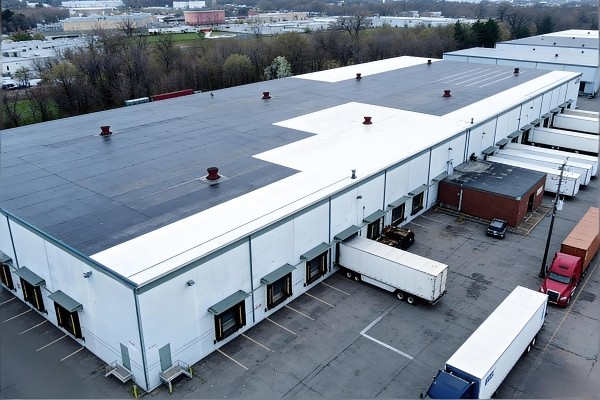
Take Shenzhen Aofei Freight Forwarding Co., Ltd. as an example. They have been in the industry for many years and have a team of experienced professionals. They offer a wide range of services, including sea freight, air freight, and customs brokerage. Their track record of delivering goods on time and within budget makes them a trusted partner for many businesses.
In my opinion, when choosing a freight forwarder, it's important to look at their reputation, experience, and the range of services they offer. You want a partner who can understand your specific needs and provide customized solutions.
Transnational cargo transportation is a complex but rewarding field. By understanding the challenges, choosing the right shipping methods, managing risks, leveraging technology, and partnering with a reliable freight forwarder, businesses can navigate this global landscape successfully.
If you're interested in transnational cargo transportation to Australia, especially from Shenzhen Aofei Freight Forwarding Co., Ltd., you can get the latest quotes for Australian shipping, learn how to calculate the volumetric weight for Australian shipments, and find channels for shipping sensitive goods. Just visit the official website: https://www.aofeifreight.com, or give them a call at + 86 - 16676978829. They're a professional Australian shipping company offering one - stop logistics services, with exclusive discounts for students studying abroad and overseas Chinese. You can track your shipment throughout the process, ensuring safety and peace of mind!