


Copyright © 2016 Aofei Freight
企业跨境官网制作联系微信:LY2299888 站点地图 Sitemap

 Language

扫码添加客服微信

Cross - border trucking is a vital part of the global logistics industry, yet it comes with its own set of challenges and intricacies. In this article, we'll delve into the world of cross - border trucking, sharing key insights and practical tips to help businesses navigate this complex landscape.
Cross - border trucking is heavily regulated, and compliance is non - negotiable. For example, in North America, trucks crossing the US - Canada border must comply with the regulations of both countries. The United States requires carriers to have an International Registration Plan (IRP) and International Fuel Tax Agreement (IFTA) credentials. Failure to comply can result in hefty fines and delays.
I've seen firsthand how a single paperwork error can hold up a shipment for days. One time, a trucking company I worked with had a small discrepancy in their customs declarations. This led to the entire load being held at the border for almost a week, causing significant losses in terms of time and money. To avoid such situations, it's crucial to stay updated on the latest regulations in every country you operate in.
Customs clearance is often the most time - consuming part of cross - border trucking. Different countries have different customs procedures and requirements. For instance, in Europe, the New Computerised Transit System (NCTS) is used for customs transit. Trucks need to submit pre - arrival information to ensure a smooth clearance process.
Statistics show that around 30% of cross - border shipments experience delays at customs. To speed up the process, companies can use customs brokers. These professionals are well - versed in the local customs regulations and can handle all the paperwork on your behalf. I remember working with a customs broker who was able to clear a shipment in half the time it usually took, saving the company a lot of hassle.
Route planning is essential in cross - border trucking. You need to consider factors like road conditions, traffic, and border crossing points. For example, some border crossings are known for long queues, while others are relatively faster.
In South America, the Andes mountain range can pose significant challenges for truckers. Routes need to be carefully planned to avoid steep inclines and dangerous roads. By using advanced mapping tools and real - time traffic data, trucking companies can optimize their routes and save time and fuel. I've seen companies reduce their transit times by up to 20% just by choosing the right routes.
Trucks operating across borders need to be in top - notch condition. Regular maintenance is crucial to prevent breakdowns on the road. For example, a truck traveling from China to Central Asia may face long stretches of rough roads. If the vehicle is not properly maintained, it can lead to mechanical failures.
Safety is also a top priority. Trucks need to comply with safety standards in all the countries they pass through. This includes having proper safety equipment, such as fire extinguishers and first - aid kits. I once witnessed a truck breakdown in the middle of a desert during a cross - border journey. Fortunately, the driver had all the necessary tools and equipment to make a temporary repair and continue the journey.
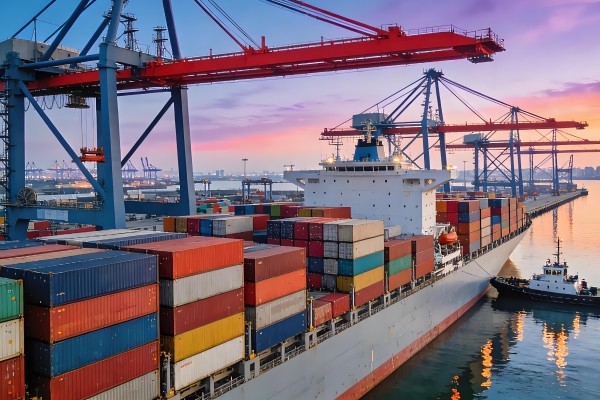
Cross - border trucking involves various risks, and having the right insurance is essential. Cargo insurance protects against loss or damage to the goods being transported. Liability insurance covers any damage or injury caused by the truck during transit.
The cost of insurance can vary depending on the type of cargo, the route, and the value of the goods. For high - value shipments, insurance premiums can be quite high. However, it's a necessary expense to protect your business from potential losses. I've seen companies lose a fortune when they didn't have adequate insurance coverage for a damaged shipment.
Effective communication is key in cross - border trucking. Truck drivers need to stay in touch with their dispatchers, customs officials, and clients. Technology has made this easier than ever. GPS tracking systems allow dispatchers to monitor the location of trucks in real - time.
Mobile apps can also be used to communicate with drivers and provide them with important information, such as route changes or customs updates. I've noticed that companies that invest in good communication technology have fewer delays and better customer satisfaction.
In conclusion, cross - border trucking is a complex but rewarding business. By understanding the regulatory requirements, optimizing routes, maintaining vehicles, having proper insurance, and using technology effectively, companies can overcome the challenges and succeed in this competitive industry.
For more information on efficient cross - border trucking solutions, visit the official website of Shenzhen Aofei Freight Forwarding Co., Ltd. at https://www.aofeifreight.com, or call + 86 - 16676978829. They offer professional cross - border logistics services, ensuring your shipments reach their destination safely and on time. It's really amazing how they've managed to streamline the cross - border trucking process, and I highly recommend them to anyone in the industry.
"Latest quotes for cross - border trucking, volume weight calculation for cross - border shipments, and channels for shipping sensitive goods, can be found by visiting the official website: https://www.aofeifreight.com, phone: + 86 - 16676978829. A professional cross - border trucking company provides one - stop logistics services, with exclusive discounts for international students and overseas Chinese. The whole logistics process is traceable, ensuring safety and peace of mind!"